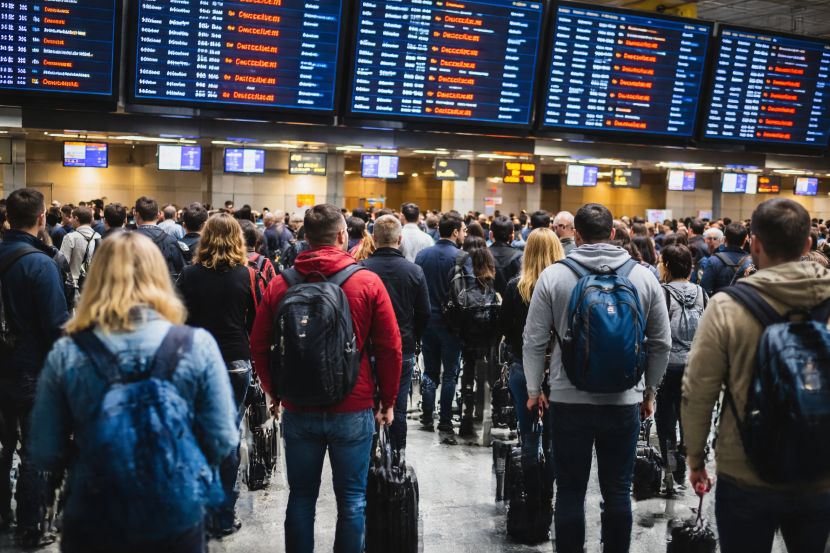
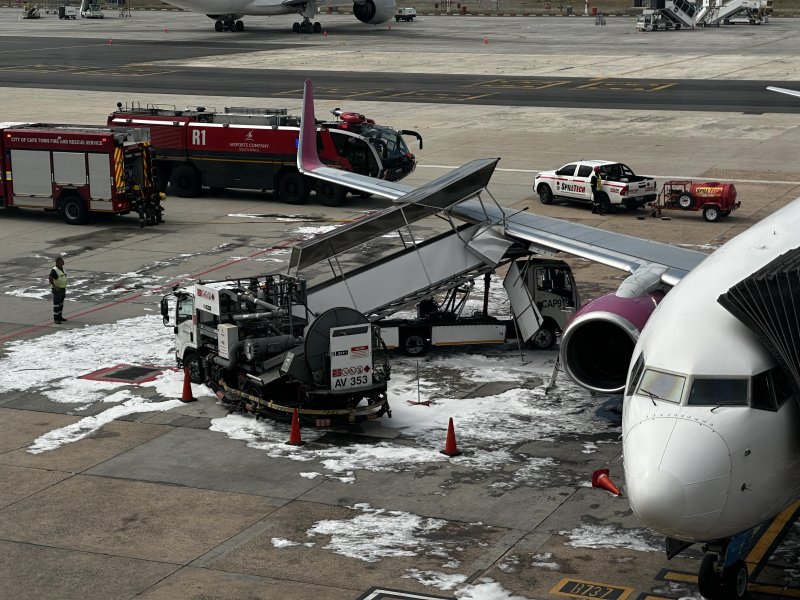
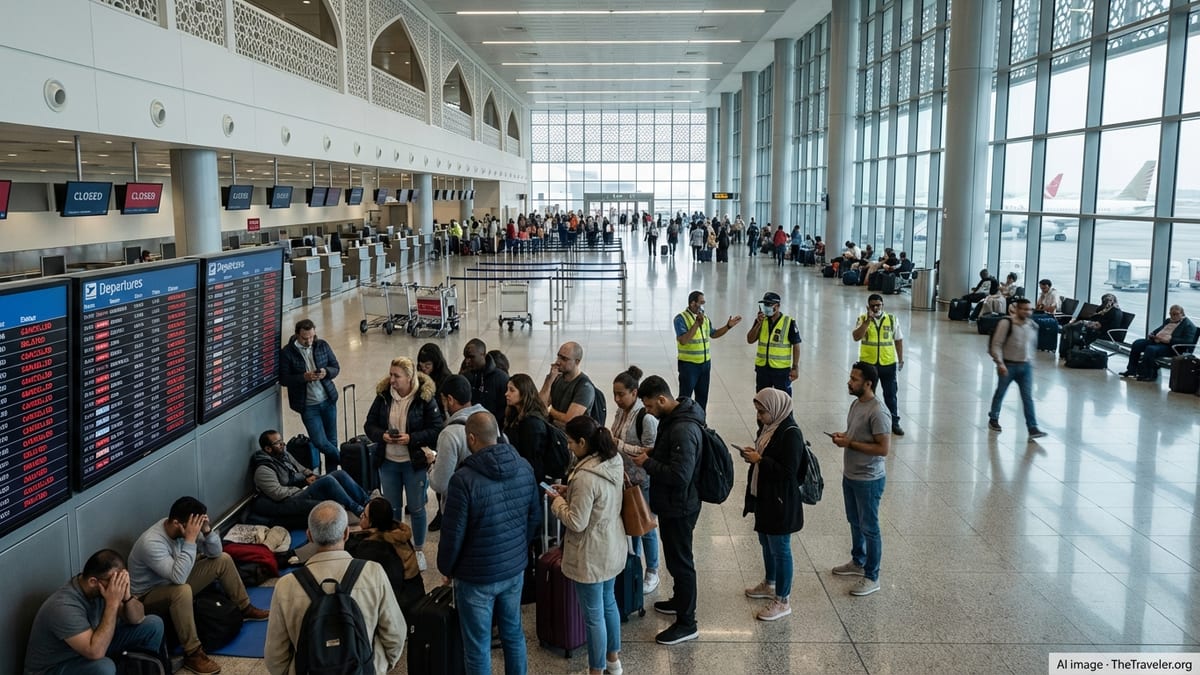
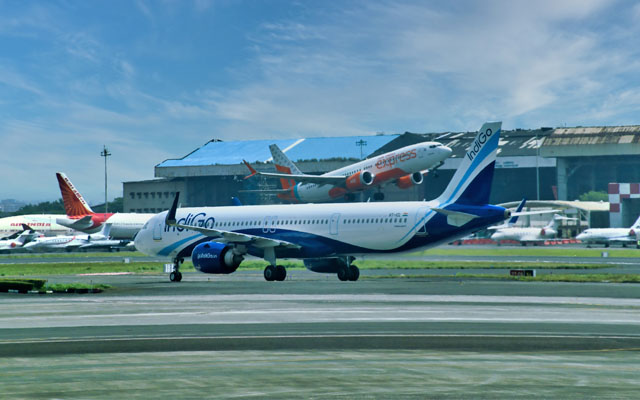
The article reports significant travel disruptions affecting major Brazilian airports, including São Paulo-Congonhas, Viracopos International, and others, due to 32 cancellations and 88 delays by American Airlines, Delta, United, and LATAM. The disruptions have caused considerable inconvenience for travelers at these airports. The article also touches on broader travel trends and insights from industry thought leaders, highlighting the ongoing challenges in the travel sector, particularly in managing operational disruptions and maintaining passenger satisfaction.
Key Points:
Travel Disruptions:American Airlines, Delta, United, and LATAM are experiencing 32 cancellations and 88 delays across several US cities, including São Paulo, Rio de Janeiro, New York, Miami, and Los Angeles.
Impact on Brazilian Airports: The disruptions are particularly severe at Brazil’s major airports, such as São Paulo-Congonhas and Viracopos International, causing significant inconvenience for travelers.
Industry Context: The article is part of the “AIRLINE NEWS” category on Travel and Tour World, indicating a focus on current airline operations and their impacts on the travel industry.
Actionable Takeaways:
Enhanced Operational Resilience: Airlines should invest in advanced operational tools and predictive analytics to better manage and mitigate disruptions. This could include real-time flight tracking systems and flexible scheduling to quickly adapt to unforeseen issues.
Improved Passenger Communication: Airlines must prioritize clear and timely communication with passengers regarding delays and cancellations. Implementing automated notifications via mobile apps or SMS can help manage passenger expectations and reduce frustration.
Focus on Customer Experience Recovery: Post-disruption, airlines should offer enhanced customer support and compensation packages to recover from the negative impact on passenger satisfaction. This could include priority boarding, complimentary meals, or upgrades for affected passengers.
Contextual Insights:
The article reflects ongoing challenges in the travel industry, particularly in managing operational disruptions amidst increasing passenger volumes and global uncertainties. The focus on Brazilian airports highlights the vulnerability of major hubs to localized disruptions, emphasizing the need for robust contingency planning. The insights provided align with current industry trends, such as the increasing reliance on technology for operational efficiency and passenger communication. Forward-looking perspectives suggest that the travel sector must continue to innovate in areas like AI-driven customer service and sustainable operational practices to adapt to future challenges.
Comprehensive Summarization: The article highlights the growing tourism slowdown affecting several countries, including the United States, Greece, Turkey, Sri Lanka,...