








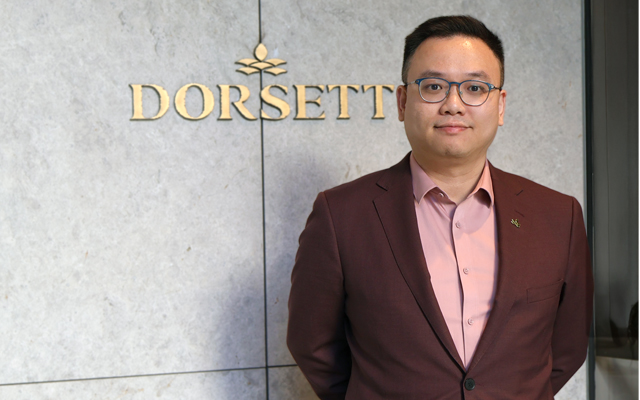








Travel Capitalist Ventures Expands Check Size to $10 Million to Deepen Emerging Market Conviction
Boutique Travel VC raises investment cap from $1.5M to $10M to lead rounds and support portfolio companies through growth Travel...
Read moreDetails

American Airlines’ 25-Year-Old Boeing 777-200ERs Are Still Flying High—Here’s How These Aging Jets A...
Article Summary:
American Airlines’ fleet of 25-year-old Boeing 777-200ERs continues to operate effectively, with 47 still in service. These aging jets are undergoing upgraded cabins, which are quietly contributing to Europe’s tourism boom and the resurgence of luxury hospitality. The article highlights how these older aircraft, despite their age, are being modernized to meet the demands of the evolving travel industry, supporting the growth of tourism and luxury services in Europe.
Key Points:
Actionable Takeaways:
Strategic Fleet Management: Airlines can benefit from maintaining older aircraft longer by investing in cabin upgrades, thereby extending the operational lifespan of their fleets and supporting niche markets like luxury hospitality.
Contextual Insights:
The article reflects the ongoing trend in the travel industry towards maximizing the utility of existing assets through technological and aesthetic upgrades. This strategy is particularly relevant in light of recent market conditions where airlines are under pressure to reduce costs while maintaining service quality. The use of older aircraft like the Boeing 777-200ER, when paired with modern cabin upgrades, demonstrates a practical approach to balancing cost-efficiency with the need to meet evolving consumer expectations. This aligns with broader industry insights that emphasize the importance of passenger experience in driving loyalty and revenue growth. Furthermore, the article underscores the potential for innovation within the travel sector, as airlines leverage existing fleets to support emerging trends such as luxury hospitality, suggesting that strategic investments in passenger experience can yield significant long-term benefits.
Read the Complete Article.
Boutique Travel VC raises investment cap from $1.5M to $10M to lead rounds and support portfolio companies through growth Travel...
Read moreDetails



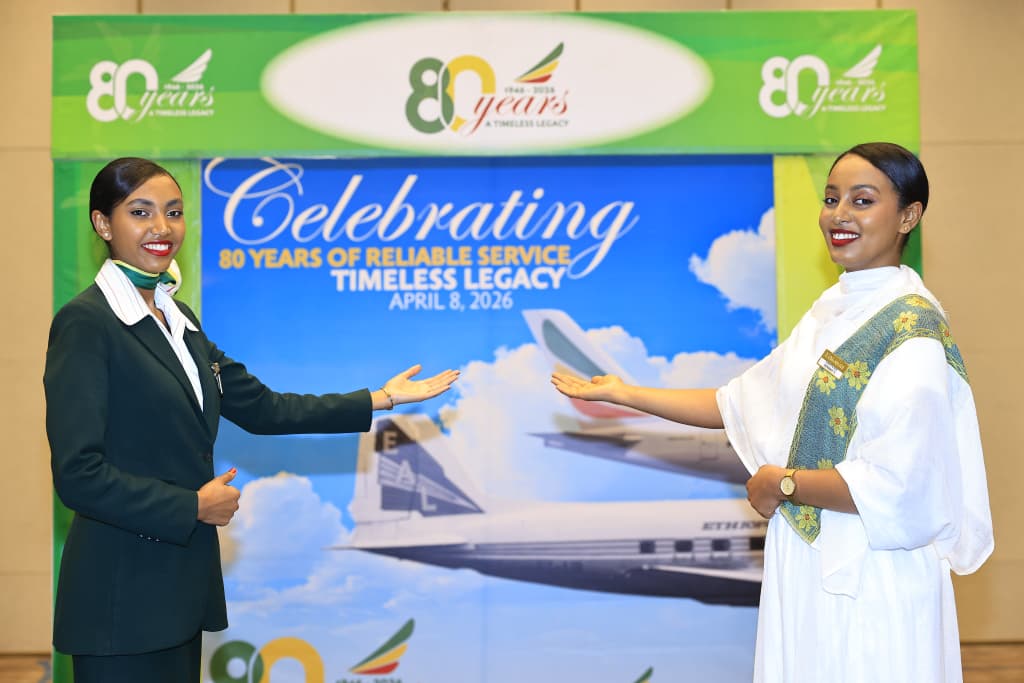
Comprehensive Summarization: Ethiopian Airlines celebrated its 80th year of service on April 8, 2026, marking a significant milestone in the...
Read moreDetails