


















Travel Capitalist Ventures Expands Check Size to $10 Million to Deepen Emerging Market Conviction
Boutique Travel VC raises investment cap from $1.5M to $10M to lead rounds and support portfolio companies through growth Travel...
Read moreDetails
American Airlines Suspends Six Transatlantic Routes for Winter 2025 Amid Declining International Tra...
Article Summary:
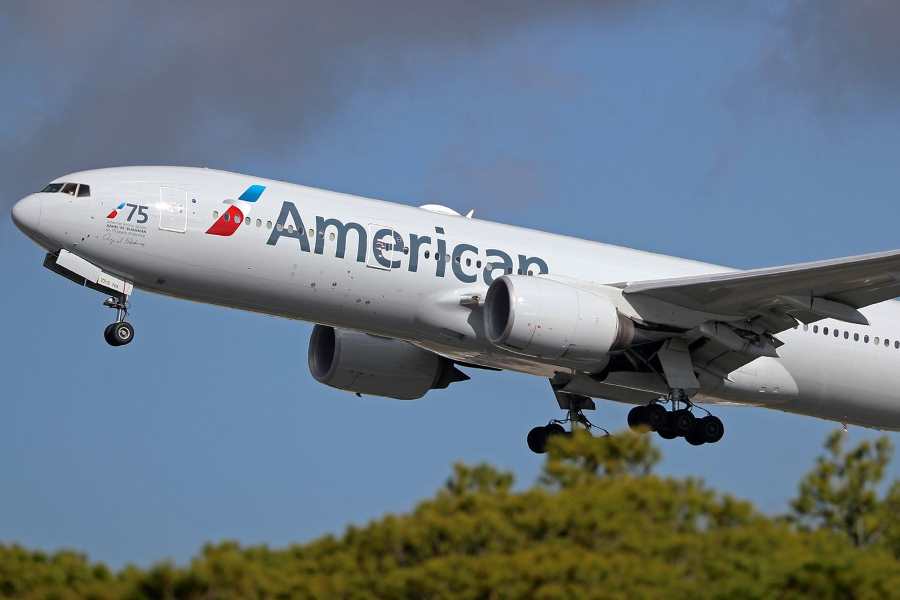
American Airlines has announced the suspension of six transatlantic routes for the winter of 2025, reflecting a broader trend of decreasing international travel to the U.S. This decision comes as global travel patterns shift, indicating a need for airlines to adapt to changing consumer behavior and market conditions.
Key Points:
Actionable Takeaways:
Contextual Insights:
The suspension of transatlantic routes by American Airlines is indicative of the broader challenges faced by the travel industry in adapting to shifting global travel patterns. Recent trends suggest a growing preference for domestic travel and alternative modes of transportation, such as rail and domestic flights. This shift is likely influenced by factors such as economic uncertainty, changing consumer preferences, and the ongoing impact of global events like the COVID-19 pandemic.
In the context of travel tech, startups focusing on innovative solutions for route optimization, customer communication, and market analysis are likely to gain traction. These technologies can provide airlines with the tools needed to navigate the complexities of modern travel demand and respond swiftly to market changes. Additionally, fintech innovations, such as dynamic pricing models and flexible booking options, can help airlines adapt to fluctuating demand and enhance customer satisfaction.
Overall, the article underscores the importance of adaptability and innovation in the travel industry. By leveraging data-driven insights and embracing technological advancements, airlines can navigate the evolving landscape of international travel and maintain competitiveness in a rapidly changing market.
Read the Complete Article.
Boutique Travel VC raises investment cap from $1.5M to $10M to lead rounds and support portfolio companies through growth Travel...
Read moreDetails



Comprehensive Summarization: The Liberia National Tourism Authority (LNTA) has faced criticism over its announcement of new annual license fees for...
Read moreDetails
