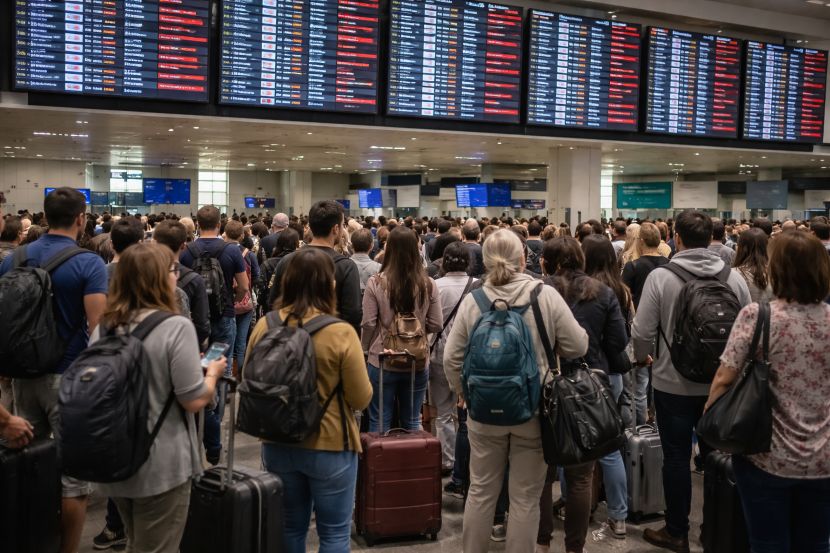
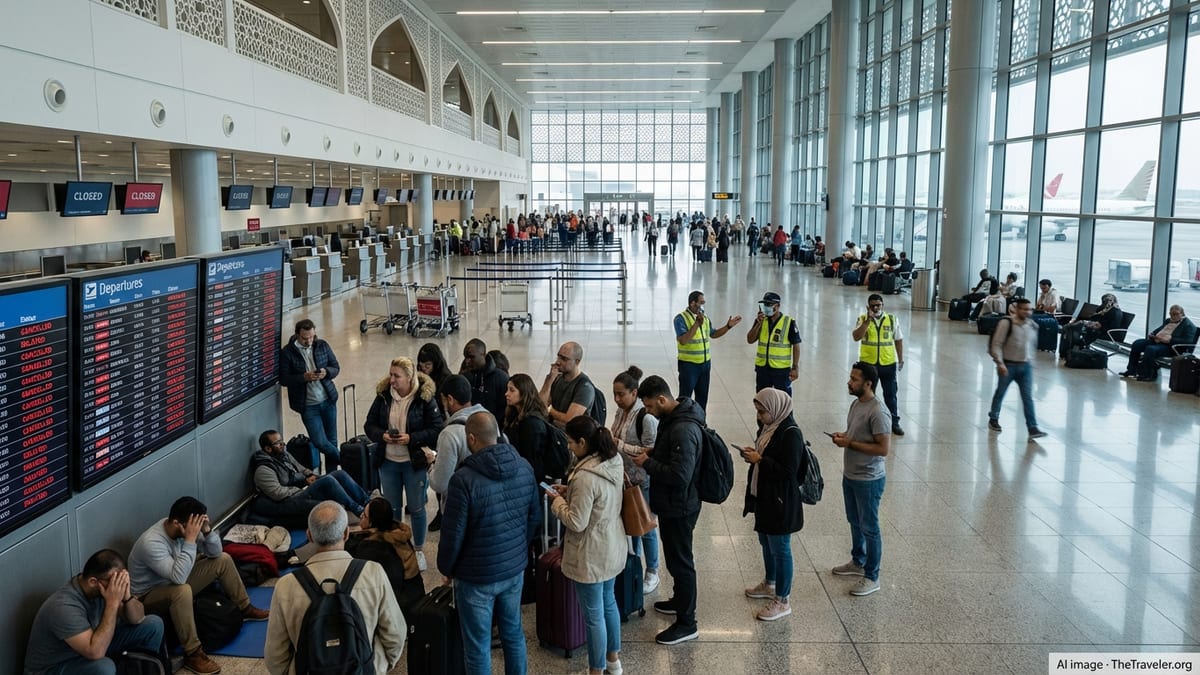
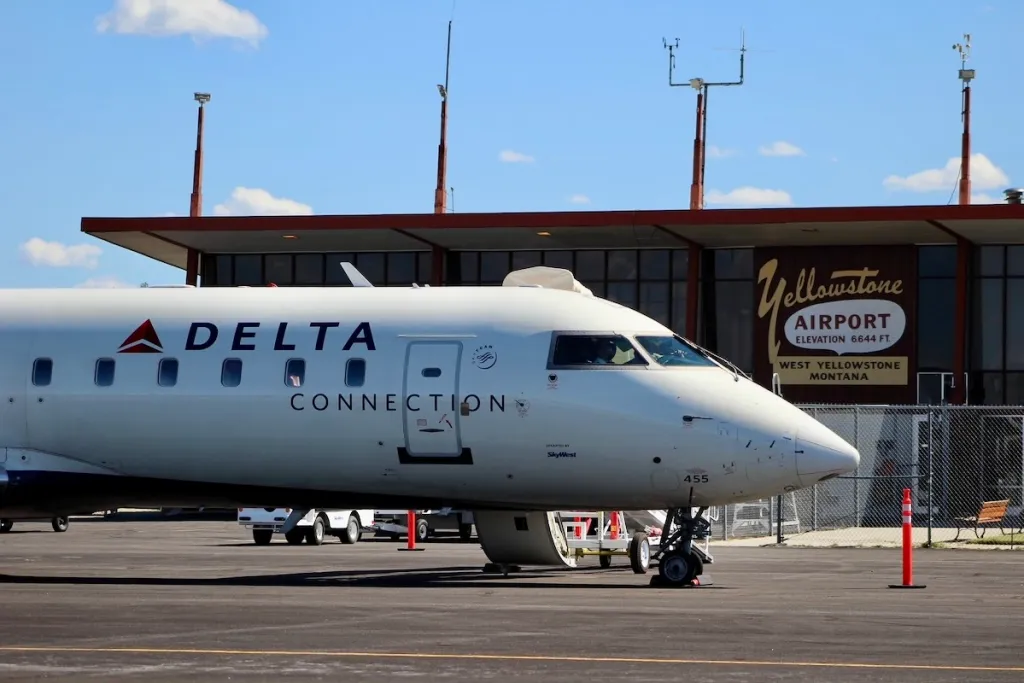
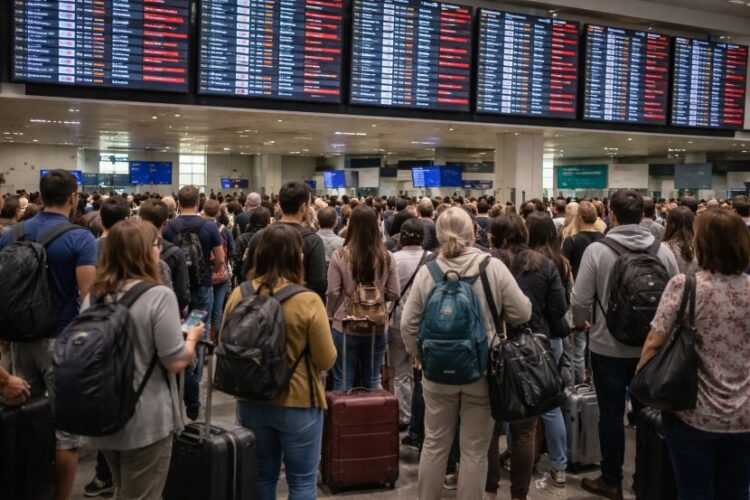
The article reports on significant travel disruptions at Boston Logan International Airport (BOS) on February 22, 2026, due to 259 flight delays and 4 cancellations affecting routes to major US cities including New York, Chicago, and London. The disruptions are impacting both travelers in the city and the surrounding community. The article highlights the challenges faced by major airlines such as American Airlines, Delta, JetBlue, and United, providing a snapshot of current travel chaos in the United States.
Key Points:
Boston Logan International Airport (BOS) is experiencing 259 flight delays and 4 cancellations on February 22, 2026.
The disruptions are affecting flights to major US cities, including New York, Chicago, and London.
Airlines impacted include American Airlines, Delta, JetBlue, and United.
The delays and cancellations are causing inconvenience to travelers in the city and the surrounding community.
Actionable Takeaways:
Proactive Communication with Travelers: Airlines should enhance their communication strategies to promptly inform passengers about delays and cancellations. This can help manage traveler expectations and reduce frustration, potentially mitigating the negative impact on the airline’s reputation.
Invest in Technology for Real-Time Tracking: The article underscores the importance of real-time tracking and communication systems. Investing in advanced technology that allows airlines to provide real-time updates to passengers can improve operational efficiency and enhance customer satisfaction during disruptions.
Focus on Customer Service During Disruptions: Airlines should prioritize customer service during such disruptions. Providing assistance, such as rebooking options, refunds, or upgrades, can help retain customer loyalty and improve overall satisfaction, which is crucial in maintaining a positive brand image.
Contextual Insights:
The disruptions at Boston Logan International Airport reflect broader challenges faced by the US travel industry, particularly in managing large volumes of flights and ensuring seamless passenger experiences. The article highlights the critical role of technology in modernizing travel operations, a trend that is increasingly important as the industry seeks to recover from the impacts of the COVID-19 pandemic. Furthermore, the focus on customer communication and service during disruptions underscores the need for airlines to adapt to evolving consumer expectations, where transparency and responsiveness are key differentiators in a competitive market. These insights align with current industry trends emphasizing the integration of technology and customer-centric strategies to navigate operational challenges effectively.