






















Travel Capitalist Ventures Expands Check Size to $10 Million to Deepen Emerging Market Conviction
Boutique Travel VC raises investment cap from $1.5M to $10M to lead rounds and support portfolio companies through growth Travel...
Read moreDetails

American Airlines Faces Significant Challenges After Flight 2254 Diverts to Bullhead City Due to Sev...
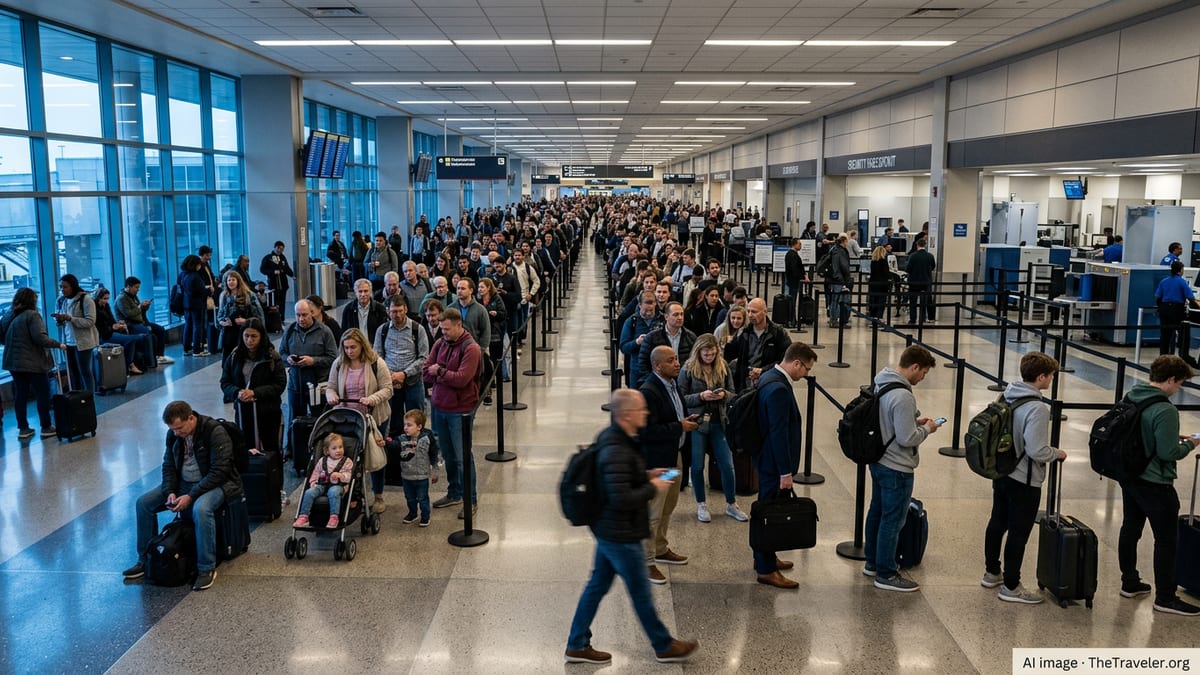
A recent American Airlines flight diversion due to severe weather in Las Vegas has brought to light significant operational challenges and the ripple effects on passengers, particularly those relying on less-connected regional airports. Flight 2254, en route to Las Vegas, was forced to land in Bullhead City, Arizona, creating a cascade of issues for hundreds of travelers. This incident underscores the vulnerabilities in air travel contingency planning when primary hubs face unpredictable disruptions.
The diversion to Bullhead City, a smaller airport with limited infrastructure and fewer onward travel connections, left many passengers stranded or facing extensive delays. Without sufficient ground transportation options readily available, travelers found themselves in a difficult situation, struggling to reach their intended destinations. This scenario is not uncommon when flights are diverted to secondary airports, especially those not equipped to handle large influxes of passengers or provide seamless connections. The lack of taxis, ride-sharing services, and rental cars quickly became apparent, exacerbating the inconvenience.
The severe weather in Las Vegas, characterized by thunderstorms, disrupted operations across McCarran International Airport, leading to widespread cancellations and delays. While diverting to Bullhead City was a necessary safety measure, the subsequent passenger experience highlighted a critical gap in the airline’s immediate response plan for such events. Passengers reported a lack of clear communication and inadequate support from American Airlines upon arrival in Bullhead City, intensifying their frustration.
This incident also brings into focus the broader implications for regional airports and their capacity to act as effective diversion points. While these airports play a crucial role in the aviation ecosystem, their limited resources can be overwhelmed by unexpected diversions from major carriers. The reliance on such airports during peak disruption periods tests their capabilities and can strain local services.
For the travel industry, this event serves as a stark reminder of the importance of robust contingency planning, clear communication protocols, and a well-coordinated approach to passenger care during weather-related disruptions. Airlines must ensure that their diversion strategies include provisions for adequate ground transportation and accommodation at alternative airports, even smaller ones. Furthermore, improving communication channels to provide timely and accurate information to passengers is paramount in mitigating dissatisfaction and ensuring a smoother, albeit inconvenient, travel experience. The ability to adapt and support passengers through unforeseen circumstances remains a key differentiator for airlines.
Key Points
Read the Complete Article.
Boutique Travel VC raises investment cap from $1.5M to $10M to lead rounds and support portfolio companies through growth Travel...
Read moreDetails




