Comprehensive Summarization:
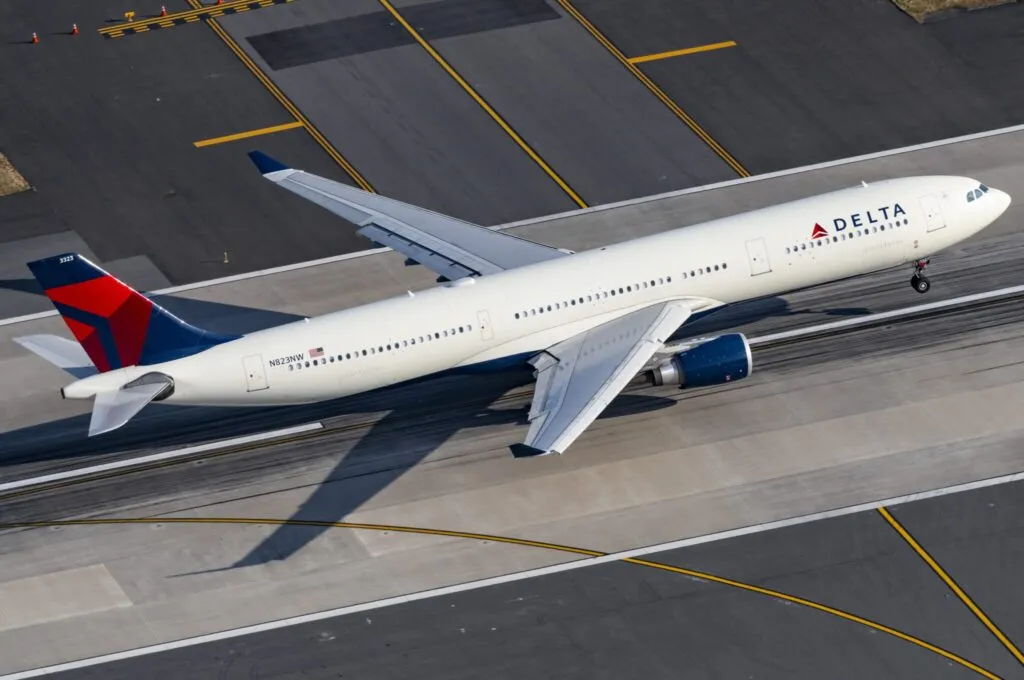
American Airlines and United Airlines are currently missing out on a significant opportunity in the aviation industry as Delta Air Lines prepares to become the first North American carrier to operate the Airbus A350-1000. This development is not only a strategic win for Delta but also has the potential to reshape the U.S. aviation and hospitality industry. The article highlights the implications of this move, emphasizing the competitive dynamics and technological advancements that could influence the future landscape of air travel.
Key Points:
- Delta Air Lines is set to become the first North American carrier to operate the Airbus A350-1000, marking a significant milestone in the aviation industry.
- The move by Delta could have far-reaching implications for the U.S. aviation and hospitality industry, potentially altering competitive dynamics.
- The article underscores the importance of this development in the context of current travel trends and technological advancements in air travel.
Actionable Takeaways:
-
Strategic Opportunity for Delta: Delta’s adoption of the Airbus A350-1000 positions the airline as a leader in adopting cutting-edge aircraft technology, potentially enhancing its competitive edge in the U.S. market. This move could lead to improved operational efficiency, passenger experience, and market positioning.
-
Industry-wide Implications: The shift towards advanced aircraft like the A350-1000 could prompt other major U.S. carriers, such as American Airlines and United Airlines, to reassess their fleet strategies. This could lead to increased investment in newer aircraft technologies, driving innovation and potentially reshaping the competitive landscape of the U.S. aviation industry.
-
Impact on Travel Hospitality: As airlines upgrade their fleets, the hospitality sector, including hotels and ground transportation services, may also experience shifts. Improved connectivity and passenger experiences could lead to increased travel demand, benefiting related hospitality services and creating new market opportunities.
Contextual Insights:
The introduction of the Airbus A350-1000 by Delta Air Lines is a testament to the ongoing technological advancements in the aviation sector. This development aligns with broader industry trends towards sustainability, efficiency, and enhanced passenger experiences. As airlines invest in newer, more fuel-efficient aircraft, the focus on reducing carbon footprints and improving in-flight amenities becomes increasingly critical. This shift not only reflects the evolving demands of modern travelers but also underscores the importance of innovation in maintaining competitive advantage within the aviation industry.
Moreover, the strategic move by Delta highlights the interconnected nature of the travel ecosystem, where advancements in one sector (aviation) can have cascading effects on related industries (hospitality, fintech, etc.). For instance, airlines investing in newer aircraft may also explore partnerships with fintech companies to offer seamless booking and payment solutions, further integrating technology into the travel experience. This interconnectedness emphasizes the need for stakeholders across the travel industry to stay informed and adaptable to emerging trends and innovations.
Handling Different Article Types:
The article in question is a news blurb, providing factual information about a significant development in the aviation industry. The structured approach outlined above ensures that the summary, key points, and actionable takeaways are directly derived from the article’s content, maintaining accuracy and relevance. For other types of articles, such as opinion pieces or feature articles, the same methodology would be applied, ensuring that the output remains fact-based and aligned with the article’s original context.
Read the Complete Article.