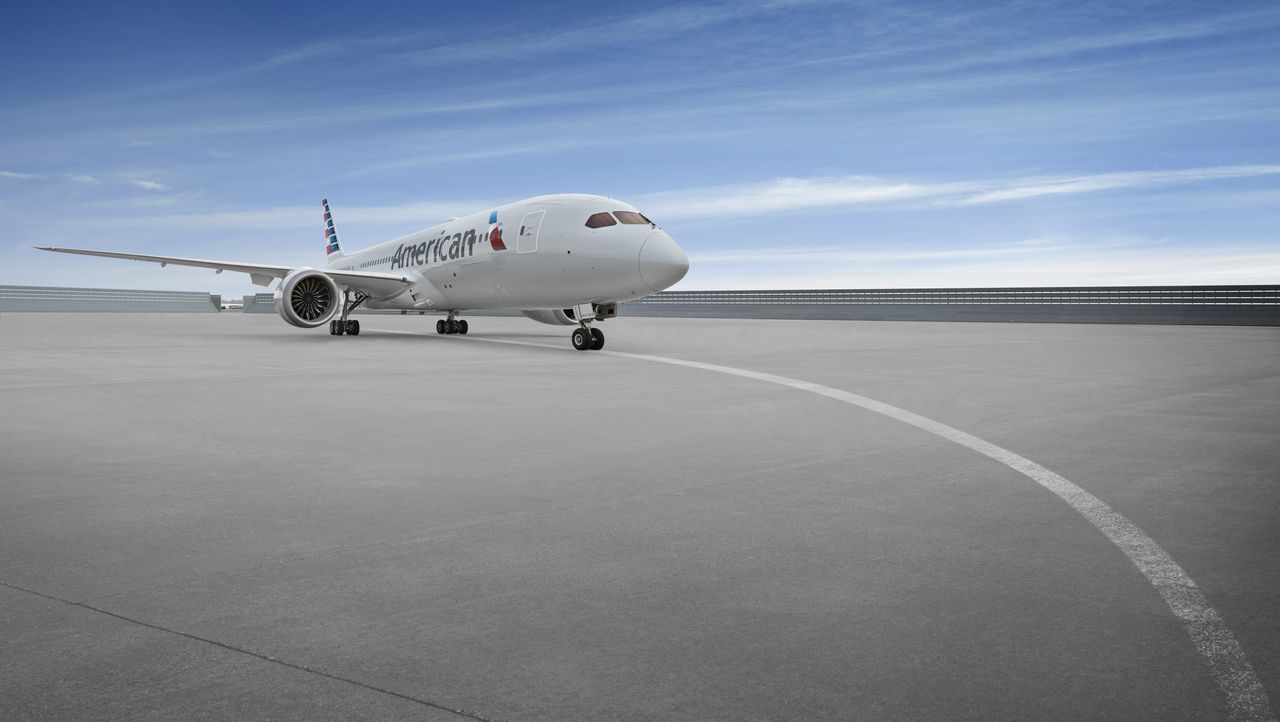
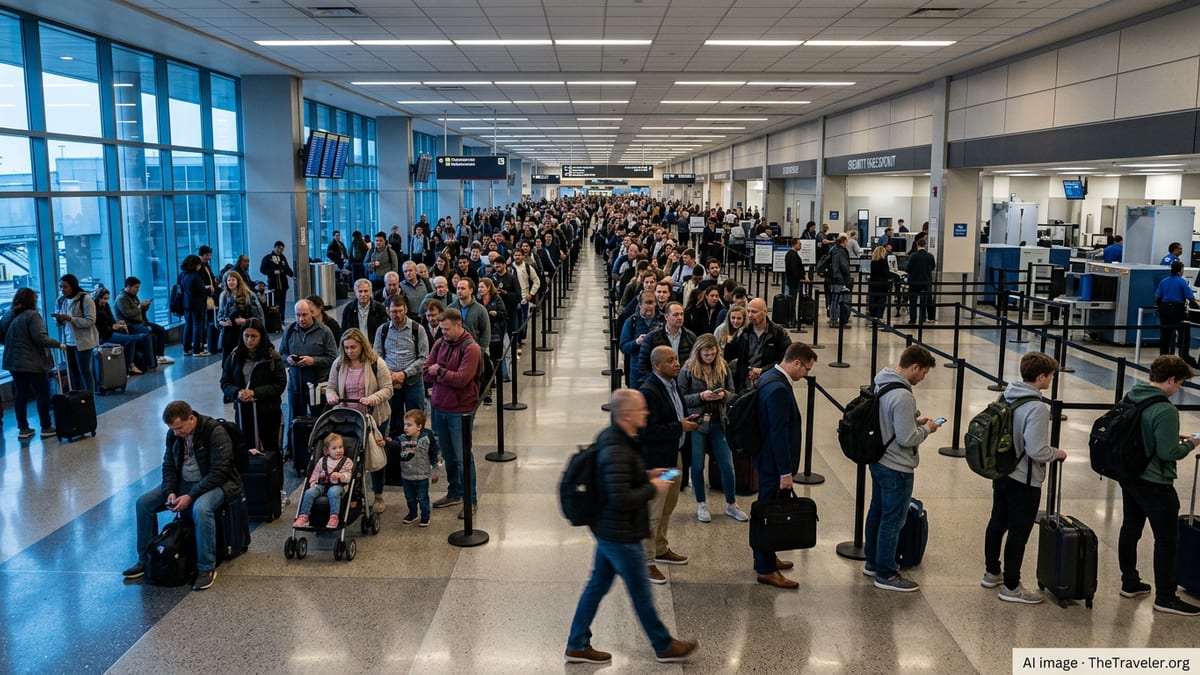
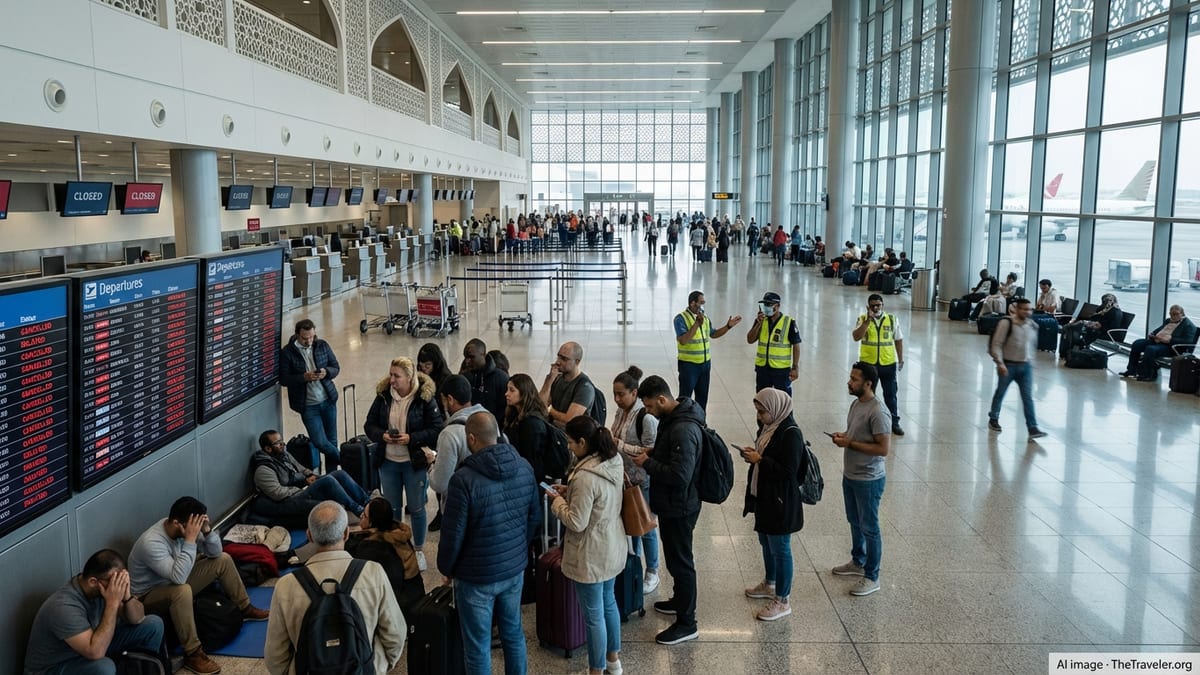
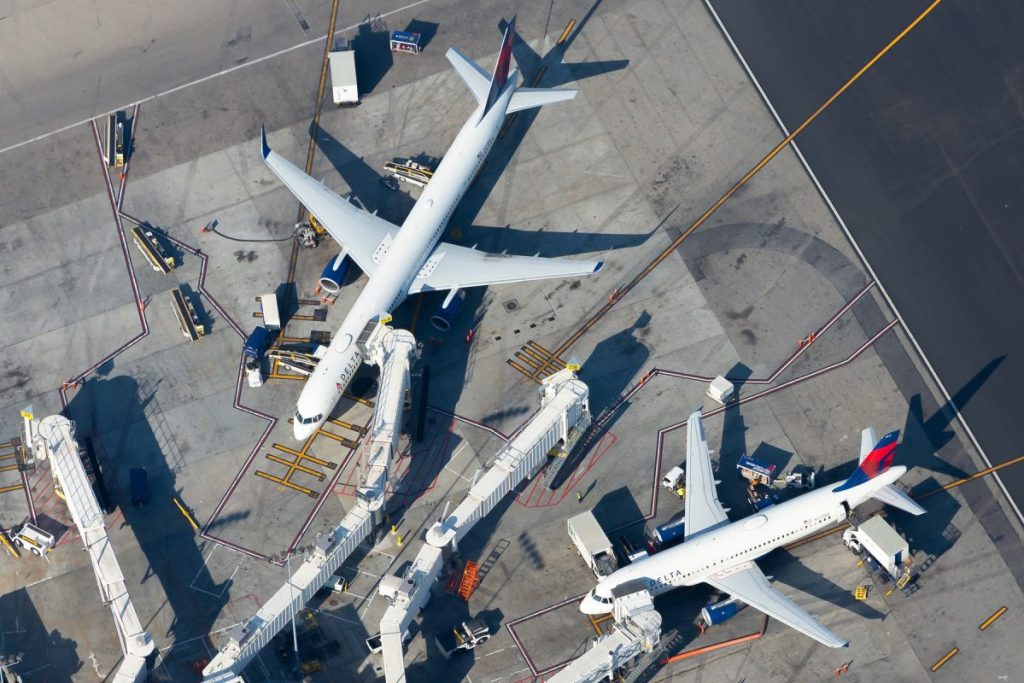
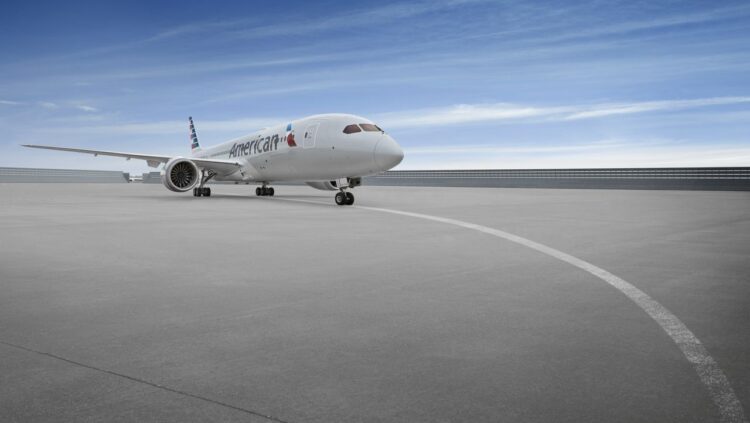
The article from Travel and Tour World, published on February 20, 2026, reveals a “shocking truth” about the aviation industry: major US airlines, including American Airlines, JetBlue, Southwest, Frontier, SkyWest, and Envoy Air, are grappling with a devastating crisis primarily driven by rising fuel costs. The article highlights how these carriers are “crashing and burning” due to the impact of oil prices on their operations. American Airlines is among the carriers facing significant financial and operational challenges, reflecting broader industry-wide issues exacerbated by global oil market dynamics.
Key Points:
Rising Fuel Costs Impact Major US Airlines: The article emphasizes that American Airlines, along with JetBlue, Southwest, Frontier, SkyWest, Envoy Air, and other US airlines, are experiencing severe financial strain due to escalating fuel costs.
Devastating Crisis for Airlines: The carriers are “crashing and burning,” indicating a critical situation where operational costs are outpacing revenue, leading to potential financial instability and operational challenges.
Oil Impact on Aviation Industry: The article underscores the direct impact of oil prices on the aviation sector, suggesting that fluctuations in oil prices have a profound effect on airline profitability and operational sustainability.
Broader Industry Implications: The crisis faced by these major airlines suggests broader implications for the travel industry, potentially affecting other airlines, travel-related services, and the overall economic health of the sector.
Actionable Takeaways:
Fuel Cost Management: Airlines must adopt innovative strategies to manage fuel costs effectively. This could include investing in more fuel-efficient aircraft, exploring alternative fuels, or negotiating better fuel contracts. These actions are crucial for maintaining profitability and ensuring long-term sustainability in the face of volatile oil prices.
Diversification of Revenue Streams: To mitigate the impact of rising fuel costs, airlines should explore diversifying their revenue streams. This could involve increasing ancillary services (e.g., baggage fees, in-flight purchases), enhancing loyalty programs, or expanding into new markets or services. Diversification can provide a buffer against fuel price fluctuations and stabilize revenue.
Strategic Partnerships and Collaborations: Collaborating with other airlines, technology providers, or fuel suppliers could help airlines offset the impact of rising fuel costs. Joint ventures or partnerships could lead to shared cost savings, improved operational efficiencies, and access to new technologies or markets.
Contextual Insights:
The article reflects the current challenges faced by the aviation industry, particularly in the context of global oil price volatility. Rising fuel costs are a critical concern for airlines worldwide, as they directly impact operational expenses and profitability. The situation faced by American Airlines and other major carriers underscores the need for the industry to adapt to changing market conditions swiftly.
In recent years, the travel industry has witnessed significant technological advancements, such as the integration of AI and machine learning for predictive analytics, improved customer experience through digital platforms, and the adoption of sustainable aviation fuels. These innovations offer potential solutions to the challenges highlighted in the article. For instance, airlines could leverage AI to optimize flight routes and fuel consumption, thereby reducing operational costs. Additionally, the growing emphasis on sustainability and eco-friendly practices presents an opportunity for airlines to invest in greener technologies, which could mitigate the impact of rising fuel costs in the long term.
Moreover, the article’s context highlights the importance of strategic partnerships and collaborations within the industry. As fuel prices continue to rise, airlines may need to form alliances with fuel suppliers, technology firms, or other stakeholders to share resources, reduce costs, and innovate collectively. Such partnerships can drive efficiency, foster innovation, and enhance the resilience of airlines in a volatile market.
In conclusion, the article provides a clear picture of the challenges faced by major US airlines due to rising fuel costs. It emphasizes the need for strategic management of fuel expenses, diversification of revenue streams, and the adoption of innovative technologies and partnerships. These actionable insights are essential for airlines to navigate the current crisis and position themselves for future growth and sustainability in the travel industry.
Comprehensive Summarization: The article reports a ground handling incident involving a FlySafair Boeing 737-800 at Cape Town International Airport, which...