







No products in the cart.
- Latest
- Trending

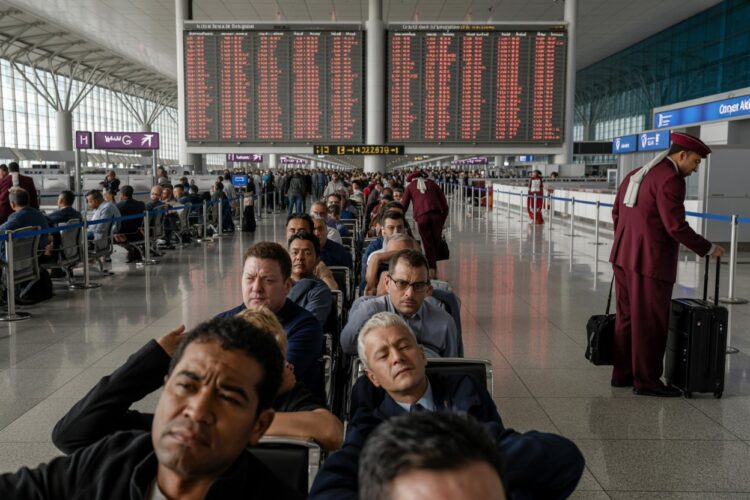
Hundreds of Passengers Stranded in Baltimore, Maryland, USA as Baltimore/Washington International Ai...
Comprehensive Summarization:
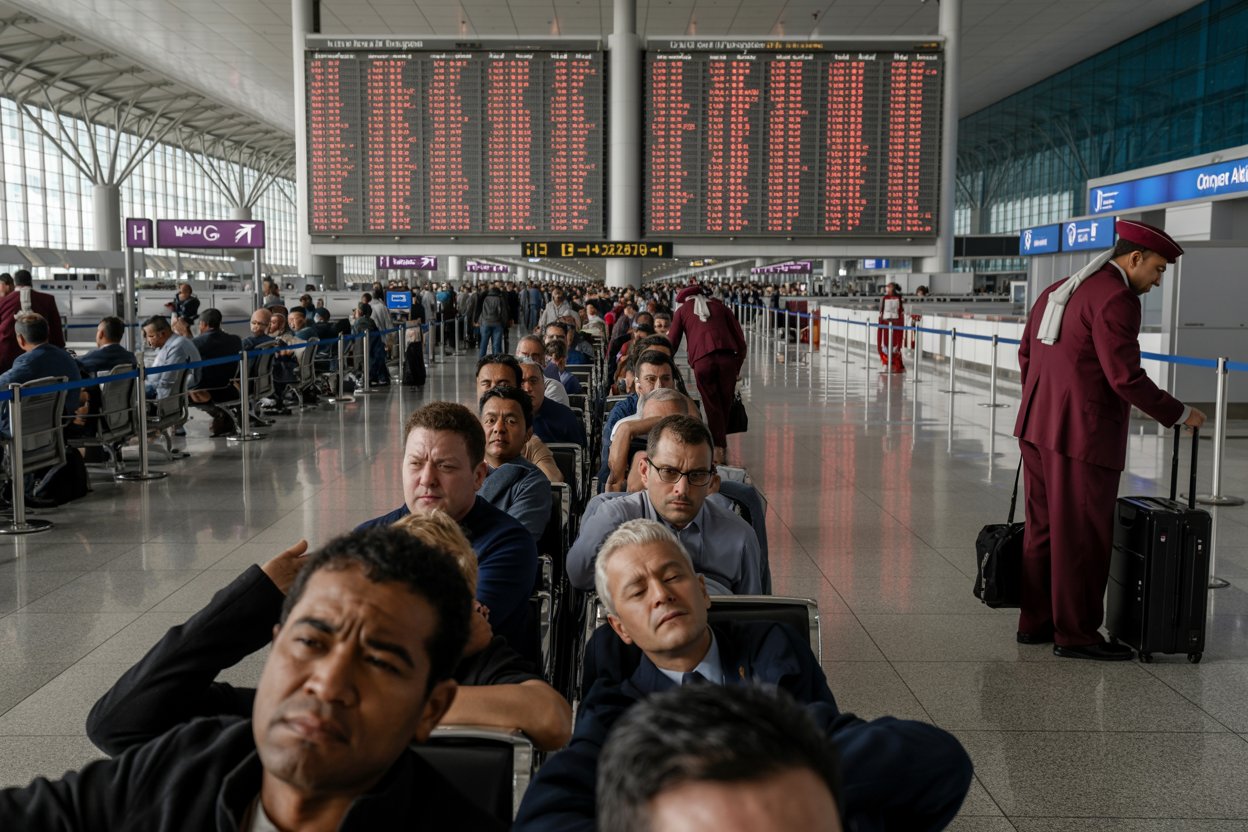
The article reports on Baltimore/Washington International Thurgood Marshall Airport (BWI) in Maryland, USA, experiencing significant disruptions on March 23, 2026. The airport saw 101 flights delayed and 8 flights canceled, affecting airlines such as American Airlines, Delta, Southwest, and others. This disruption impacted routes to major cities including New York, Chicago, and Orlando. The Baltimore/Washington International Airport, a crucial hub for travel in the region, became the focal point of these travel disruptions, highlighting challenges in airport operations and the broader travel industry’s response to such events.
Key Points:
Actionable Takeaways:
Enhanced Airport Resilience: The incident at BWI highlights the need for airports to invest in more robust operational resilience strategies. Implementing advanced scheduling systems, real-time communication channels with airlines, and contingency plans for unexpected delays can mitigate the impact of such disruptions. This is crucial for maintaining passenger trust and minimizing financial losses for airlines.
Integration of Advanced Travel Technologies: The disruptions at BWI underscore the importance of leveraging advanced travel technologies, such as AI-driven predictive analytics and automated passenger tracking systems. These technologies can help airlines and airports anticipate and respond to disruptions more effectively, improving overall operational efficiency and passenger experience.
Strengthened Partnerships and Communication: Effective communication between airlines, airports, and passengers is vital during disruptions. Establishing clear, real-time communication channels can help manage passenger expectations and reduce anxiety. Additionally, fostering stronger partnerships among airlines, airports, and travel tech providers can lead to more coordinated responses to disruptions, enhancing the resilience of the entire travel ecosystem.
Contextual Insights:
The disruptions at BWI are indicative of broader challenges faced by the travel industry, particularly in managing operational complexities and responding to unforeseen events. Recent trends indicate a growing reliance on technology to enhance operational efficiency and passenger experience. Innovations such as AI and machine learning are being increasingly adopted to predict and mitigate disruptions, reflecting a shift towards more data-driven decision-making in the travel sector. Furthermore, the incident highlights the importance of agile and flexible operational strategies, which are essential for navigating the uncertainties of modern travel. As the industry continues to evolve, embracing these technological advancements and fostering collaborative partnerships will be key to maintaining operational excellence and ensuring passenger satisfaction.
Read the Complete Article.
Get curated travel AI insights — choose the newsletters that matter to you.
This spot is reserved for brands with a compelling story for the travel trade. They use this space to cut...
Read moreDetailsALTOUR Expands into Thailand, Strengthening Corporate Travel Network Across Southeast Asia BANGKOK, THAILAND (25 March, 2026) – ALTOUR, a leading...
Read moreDetails


Comprehensive Summarization: Wizz Air has initiated a strategic phase-out of its prior-generation Airbus A321 aircraft as part of its ongoing...
Read moreDetails