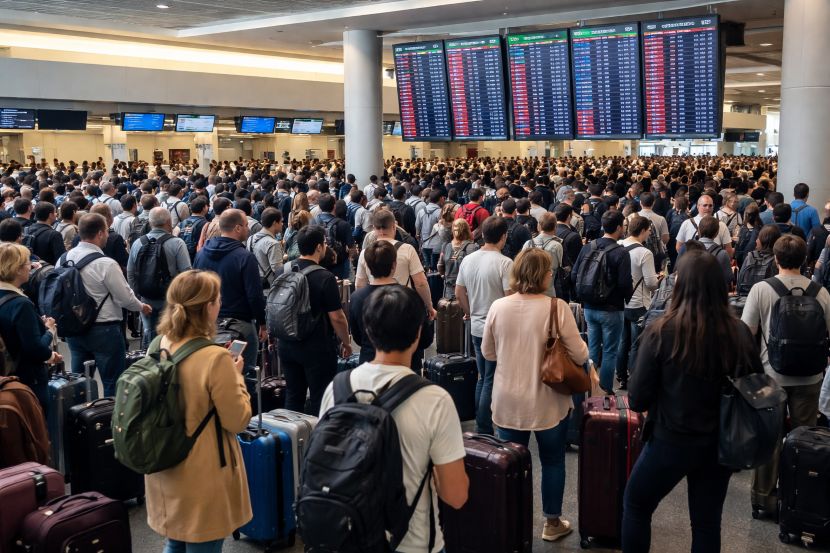
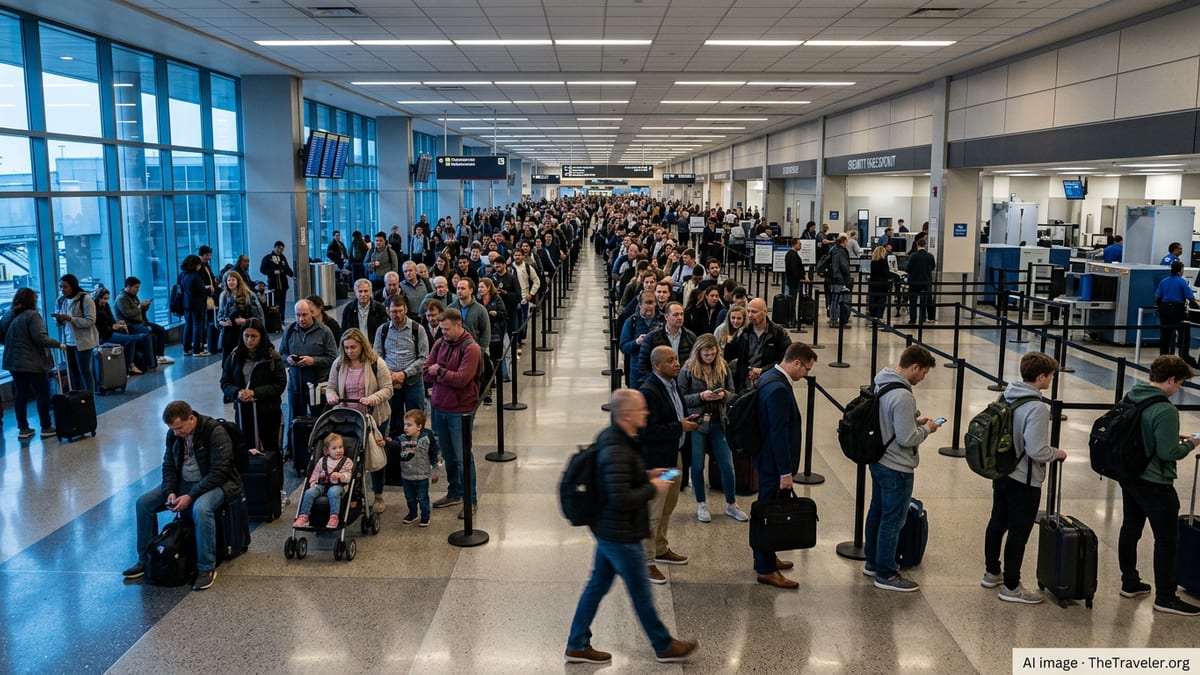
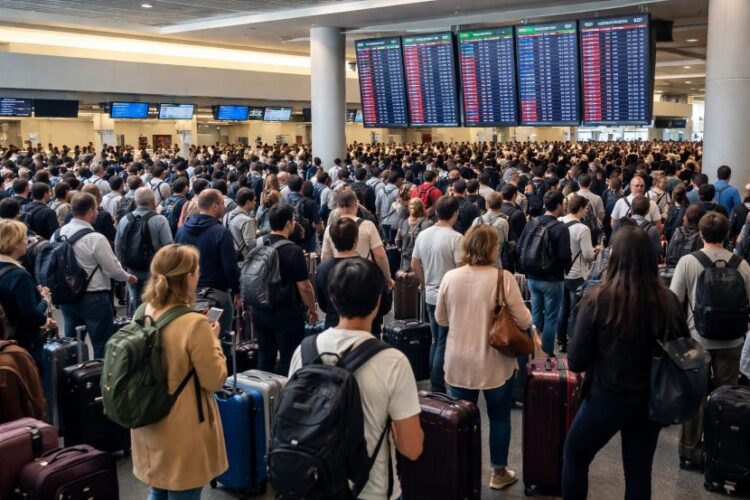
The article reports significant travel disruptions at Boston Logan International Airport on February 16, 2026, due to 129 flight delays and 11 cancellations involving major airlines such as American Airlines, Delta, and United. The disruptions affected thousands of travelers across major U.S. cities including New York, Chicago, and Los Angeles. The article highlights the inconvenience caused to passengers and the impact on airlines, emphasizing the challenges faced in maintaining smooth operations during such events. The context provided underscores the ongoing challenges in the travel industry, particularly in managing large-scale disruptions and their ripple effects on both passengers and airlines.
Key Points:
Boston Logan International Airport experienced 129 flight delays and 11 cancellations on February 16, 2026, affecting thousands of travelers.
The disruptions impacted major U.S. cities, including New York, Chicago, and Los Angeles, causing significant inconvenience for passengers.
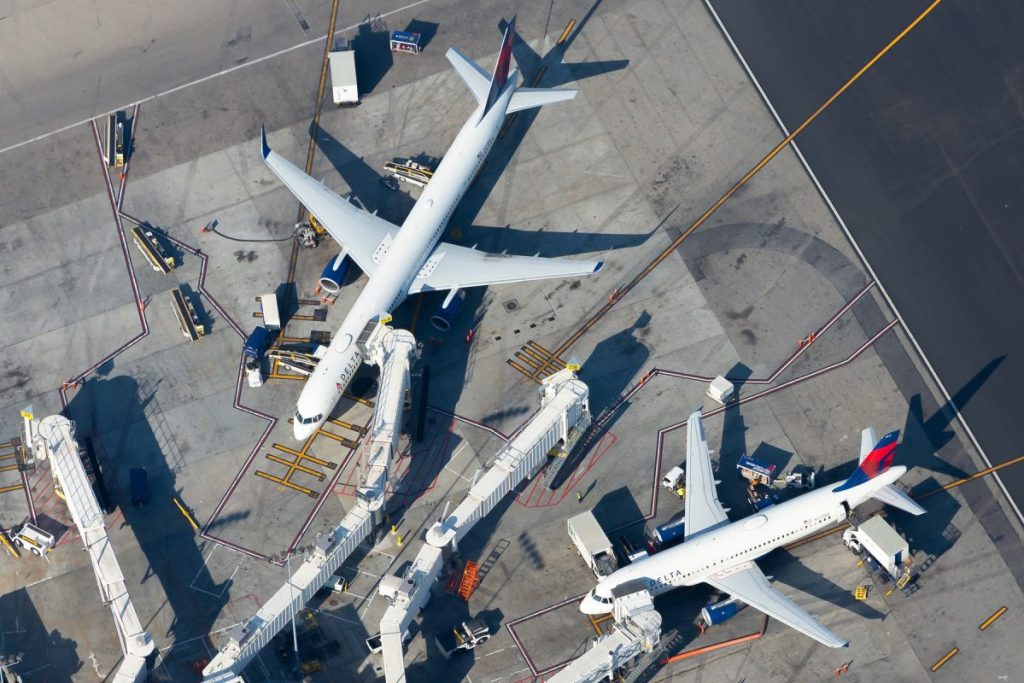
Airlines such as American Airlines, Delta, and United were directly affected by the delays and cancellations, highlighting operational challenges in the travel sector.
Actionable Takeaways:
Enhanced Communication Protocols: Airlines should implement more robust communication systems to promptly inform passengers about delays and cancellations. This can help mitigate passenger inconvenience and improve overall satisfaction during disruptions.
Investment in Resilient IT Infrastructure: The article underscores the need for airlines to invest in resilient IT infrastructure to handle large-scale disruptions efficiently. This includes real-time tracking systems and automated customer support to manage operational challenges effectively.
Focus on Passenger Experience: Airlines should prioritize enhancing the passenger experience during disruptions. This could involve offering additional amenities, such as complimentary meals or lounge access, to alleviate the stress caused by delays and cancellations.
Contextual Insights:
The disruptions at Boston Logan International Airport on February 16, 2026, reflect ongoing challenges within the travel industry, particularly in managing large-scale operational issues. The article highlights the importance of effective communication and resilient IT infrastructure in maintaining operational efficiency during disruptions. As the travel industry continues to evolve, there is a growing emphasis on leveraging technology to enhance passenger experience and streamline operations. Thought leaders emphasize the need for airlines to adopt innovative solutions that can adapt to unforeseen challenges, ensuring a smoother travel experience for passengers. The current trends indicate a shift towards more data-driven approaches in travel management, which can help airlines anticipate and mitigate potential disruptions more effectively.