







No products in the cart.
- Latest
- Trending

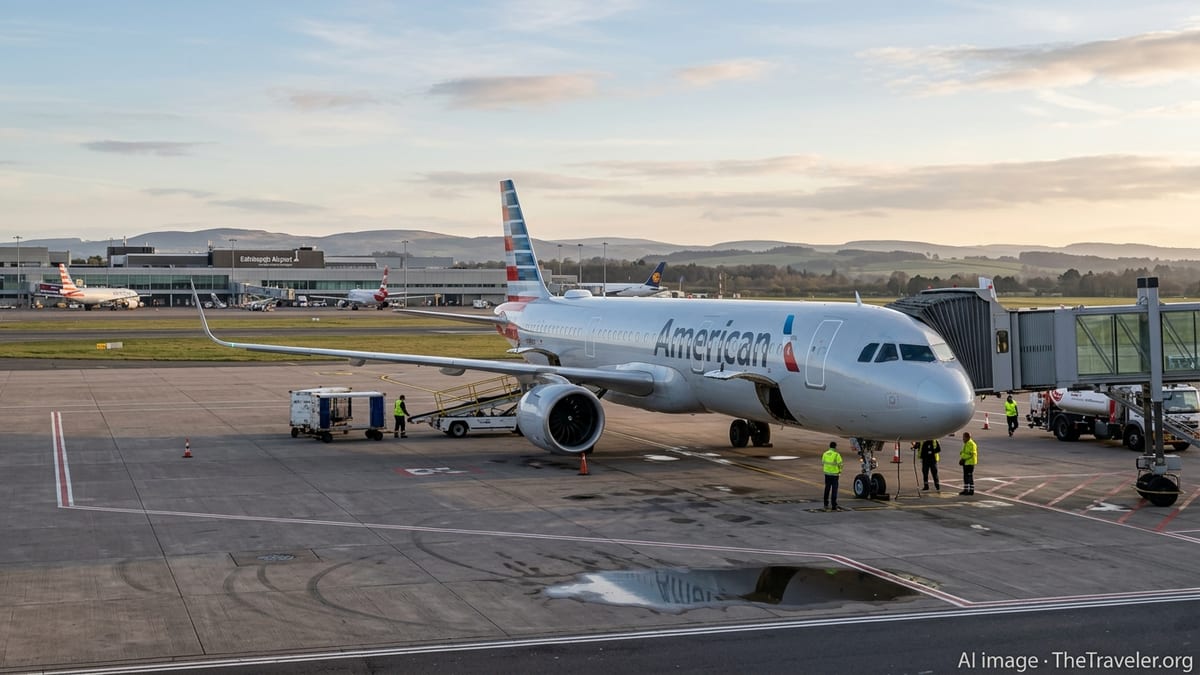
A321XLR Makes Historic Transatlantic Debut to Edinburgh
Comprehensive Summarization:
American Airlines has introduced the Airbus A321XLR on its New York to Edinburgh route, marking the aircraft’s first scheduled transatlantic service. This deployment signifies a new era for long-haul narrowbody flying, as reported by industry experts. The A321XLR is noted for its efficiency and capability to handle long-distance flights, positioning American Airlines at the forefront of modernizing transatlantic travel. The article highlights this development as a significant milestone in the evolution of air travel technology and service offerings.
Key Points:
Actionable Takeaways:
Enhanced Long-Haul Efficiency: The deployment of the Airbus A321XLR on the New York to Edinburgh route underscores a shift towards more efficient long-haul narrowbody aircraft. This development is likely to improve operational efficiency for airlines, reduce fuel consumption, and lower carbon emissions, aligning with global sustainability goals in the travel industry.
Market Positioning: By introducing the A321XLR, American Airlines is positioning itself as a leader in modernizing transatlantic travel. This move could enhance the airline’s competitive edge, attract business travelers seeking reliable and efficient long-haul options, and potentially increase market share in the transatlantic segment.
Innovation in Travel Tech: The adoption of the A321XLR reflects broader industry trends towards integrating advanced technologies in air travel. Airlines that invest in next-generation aircraft and prioritize operational efficiency are likely to gain a competitive advantage. This trend suggests that travel tech innovations will continue to shape the future of air travel, influencing both operational strategies and passenger experiences.
Contextual Insights:
The introduction of the Airbus A321XLR on American Airlines’ New York to Edinburgh route is a clear indicator of the ongoing transformation in the air travel industry. As airlines seek to balance cost efficiency with service quality, the deployment of advanced aircraft like the A321XLR plays a crucial role. This development is particularly relevant in the context of growing environmental concerns and the push for sustainable aviation practices. Moreover, the move aligns with the increasing demand for seamless, high-speed travel experiences, especially among business travelers who prioritize efficiency and reliability.
In the broader travel sector, this development may spur further innovation among startups and established players alike. Companies focusing on travel tech, fintech, and other related sectors may find opportunities to enhance services, streamline operations, or develop new offerings that cater to the evolving needs of modern travelers. The emphasis on efficiency, sustainability, and technological advancement in this article suggests that the future of travel will be characterized by continuous innovation and adaptation to changing market demands.
Read the Complete Article.
Get curated travel AI insights — choose the newsletters that matter to you.
ALTOUR Expands into Thailand, Strengthening Corporate Travel Network Across Southeast Asia BANGKOK, THAILAND (25 March, 2026) – ALTOUR, a leading...
Read moreDetails


Comprehensive Summarization: American Airlines has introduced the Airbus A321XLR on its New York to Edinburgh route, marking the aircraft’s first...
Read moreDetails