
















Travel Capitalist Ventures Expands Check Size to $10 Million to Deepen Emerging Market Conviction
Boutique Travel VC raises investment cap from $1.5M to $10M to lead rounds and support portfolio companies through growth Travel...
Read moreDetails
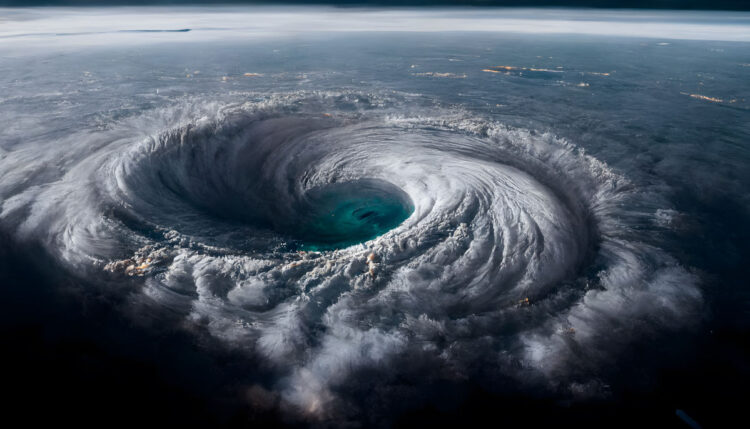
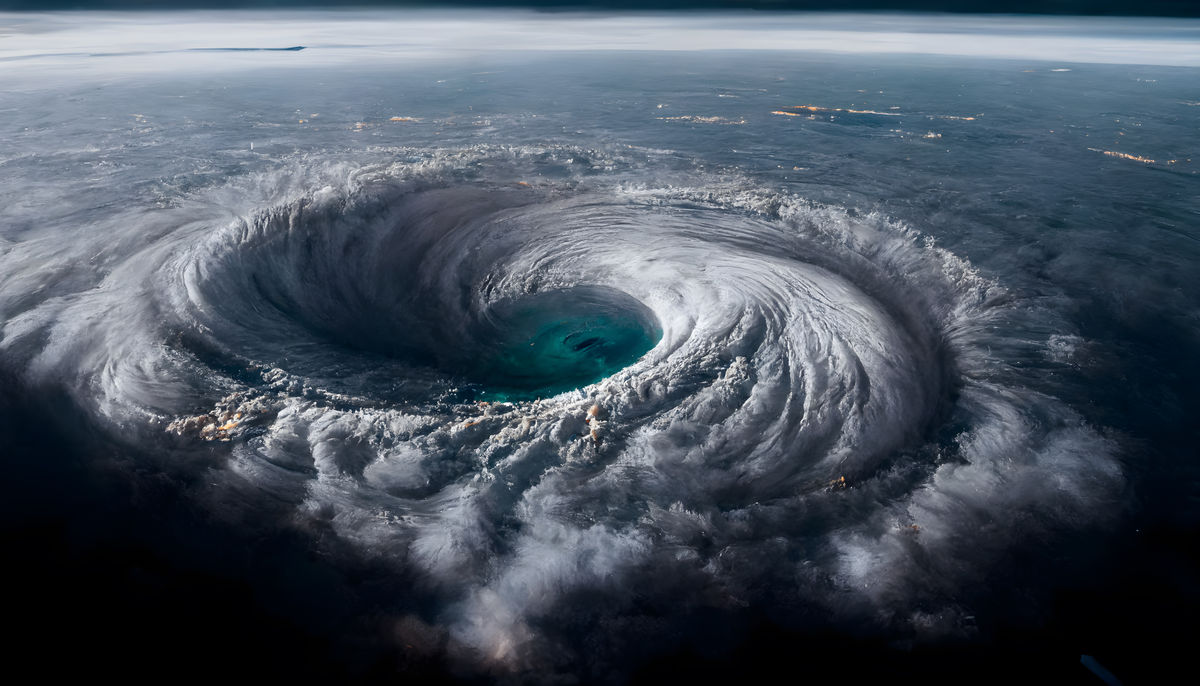
Travel Industry Steps Up After Hurricane Melissa Impacts Caribbean
Article Summary:
Hurricane Melissa is currently heading towards Bermuda, having recently devastated Jamaica and other islands in the Caribbean. The article reports that emergency relief flights are operating at Jamaica’s main international airport, which has reopened. This situation highlights the ongoing impact of natural disasters on travel and the importance of emergency response systems in the travel industry.
Key Points:
Actionable Takeaways:
Contextual Insights:
The recent path of Hurricane Melissa underscores the vulnerability of the travel industry to natural disasters. As climate change continues to increase the frequency and intensity of such events, the industry must adapt by investing in resilient infrastructure and robust emergency protocols. Thought leaders in travel tech are increasingly focusing on innovations that enhance safety and operational continuity, such as AI-driven predictive analytics for weather patterns and blockchain-based systems for secure, real-time data sharing. These advancements not only improve the resilience of travel operations but also enhance the overall travel experience for consumers during crises. By integrating these insights, the travel industry can better prepare for and mitigate the impacts of future natural disasters, ensuring safety and continuity for travelers.
Read the Complete Article.
Boutique Travel VC raises investment cap from $1.5M to $10M to lead rounds and support portfolio companies through growth Travel...
Read moreDetails



Comprehensive Summarization: The Liberia National Tourism Authority (LNTA) has faced criticism over its announcement of new annual license fees for...
Read moreDetails
