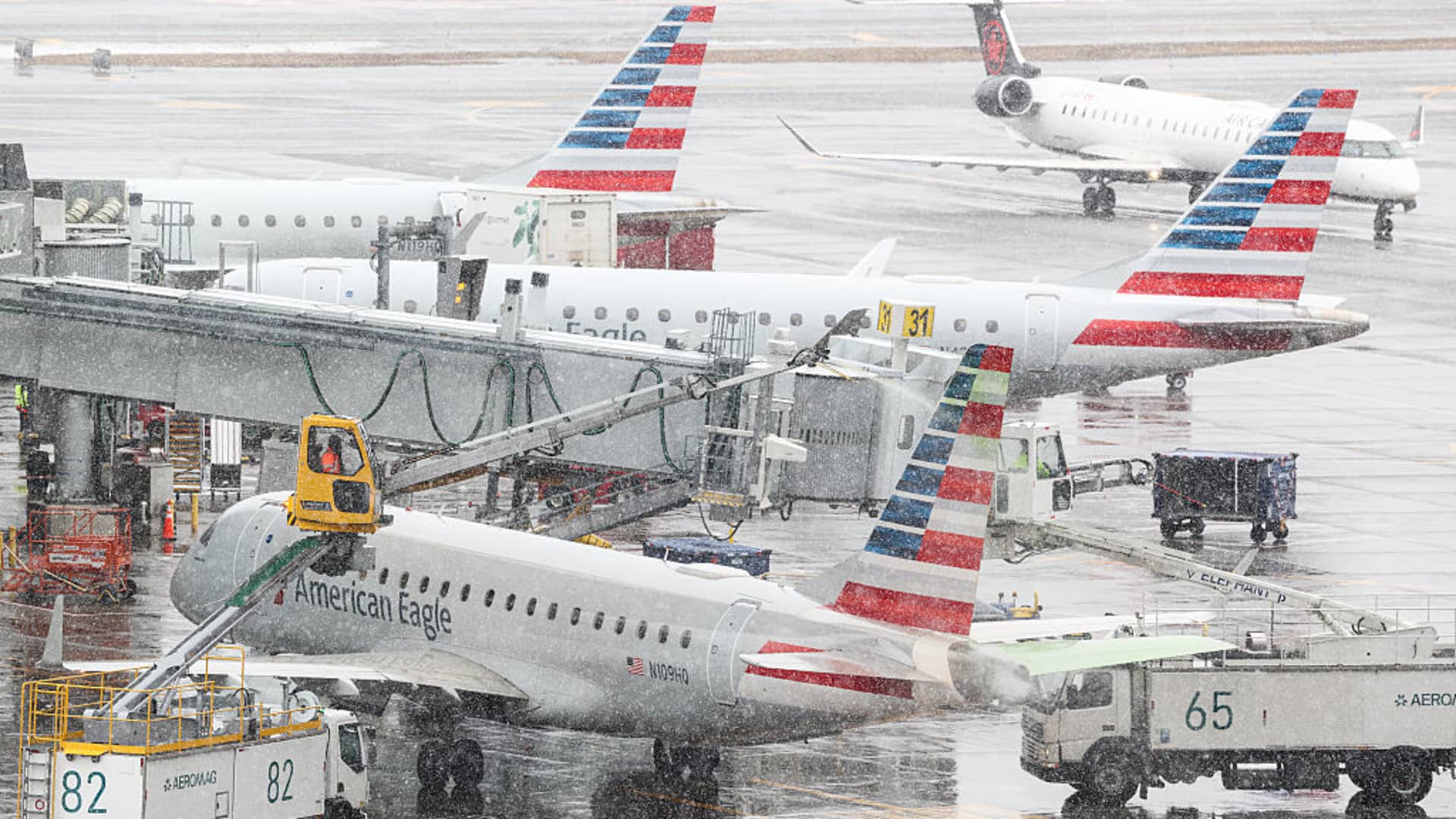
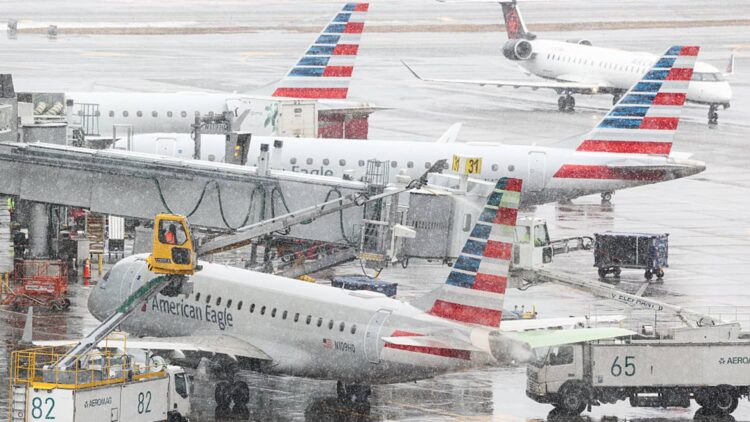
The article reports on a powerful blizzard that severely disrupted air travel in major U.S. airports, including New York City, Boston, and Philadelphia, on February 23, 2026. The blizzard led to numerous flight cancellations, causing significant disruptions that are expected to last through at least Tuesday. This event highlights the challenges faced by airlines in quickly recovering from severe weather conditions, particularly at the end of winter break. The article underscores the resilience and adaptability required in the travel industry during such adverse conditions.
Key Points:
A powerful blizzard caused extensive disruptions to air travel at major U.S. airports, including New York City, Boston, and Philadelphia.
The blizzard led to numerous flight cancellations, severely impacting air travel in the eastern U.S.
Disruptions are anticipated to continue through at least Tuesday, testing airlines’ recovery capabilities as they approach the end of winter break.
Actionable Takeaways:
Enhanced Weather Monitoring Systems: Airlines should invest in advanced weather monitoring and predictive analytics systems to better anticipate and mitigate the impacts of severe weather disruptions. This can help in making informed decisions about flight operations and improving passenger communication during such events.
Flexible Rescheduling Policies: Implementing more flexible rescheduling policies for passengers affected by weather-related cancellations can enhance customer satisfaction and loyalty. Offering options such as free rebooking or travel credits can mitigate the negative impact on travelers’ experiences.
Collaborative Recovery Strategies: Airlines should collaborate with airports and other stakeholders to develop and implement recovery strategies that minimize downtime and speed up the resumption of normal operations. This could include shared resources for ground staff, improved communication channels, and coordinated schedules for flight rescheduling.
Contextual Insights:
The blizzard’s impact on air travel highlights the critical role of weather in shaping the travel industry’s operational challenges. Recent trends indicate an increased focus on technological solutions to enhance operational resilience. Innovations in weather forecasting and real-time data analytics are becoming essential tools for airlines to adapt quickly to adverse conditions. Moreover, the article reflects the ongoing importance of customer-centric policies, such as flexible rescheduling, in maintaining trust and loyalty during disruptions. As the travel industry continues to evolve, integrating these technological advancements and customer-focused strategies will be crucial for maintaining operational efficiency and competitive advantage.