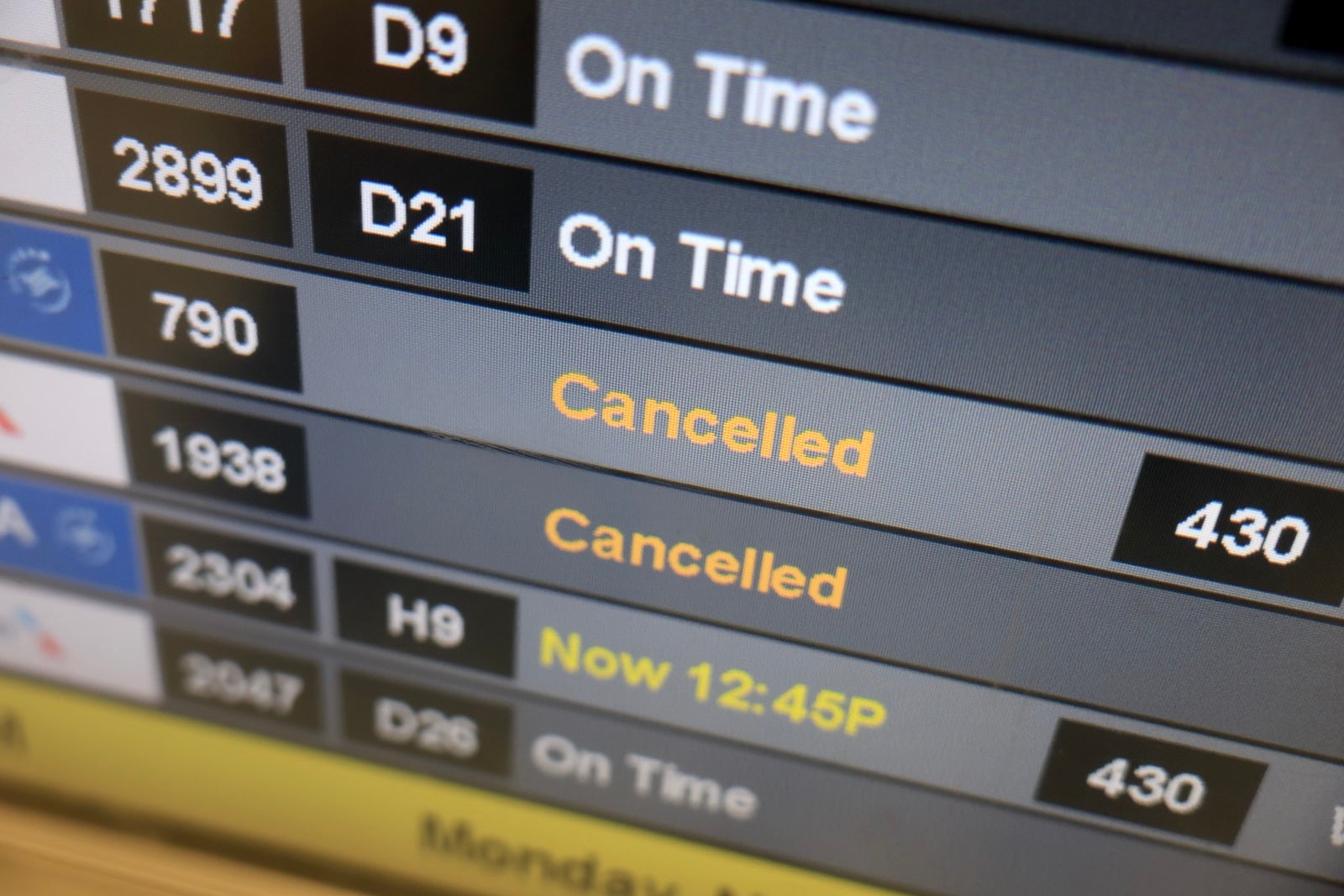
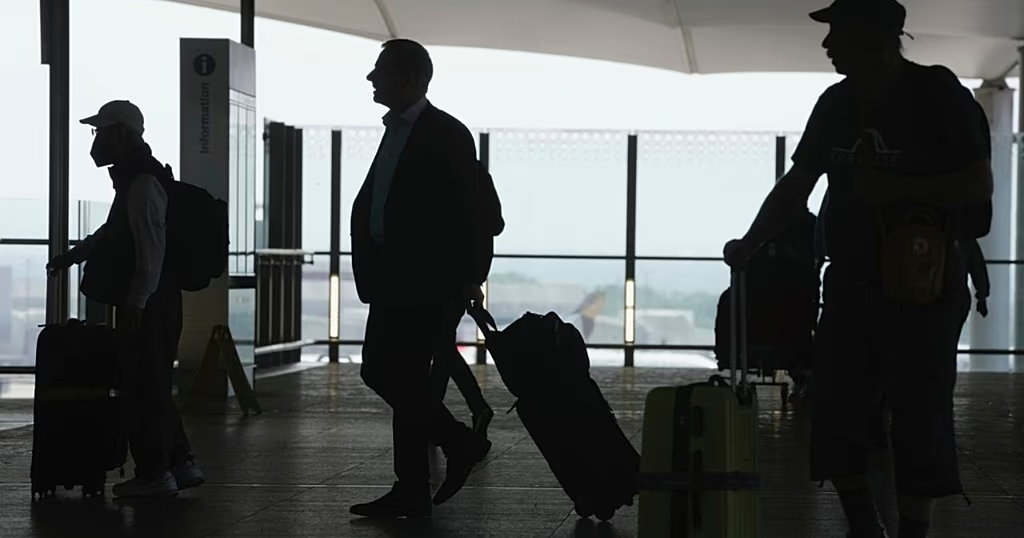
The article highlights the impending winter storm, anticipated to be the most significant of the season, which is expected to impact a broad area of the country from late this week into the weekend. Airlines are taking precautionary measures as forecasters predict substantial snow and ice accumulation, potentially disrupting travel across key regions from Texas and Oklahoma to major East Coast cities like Atlanta, Charlotte, Washington, and the Northeast. AccuWeather has issued a warning of “widespread, severe impacts” from an Arctic blast, which could severely affect travel plans in the affected areas. The article underscores the importance of staying informed and prepared for potential travel disruptions due to this severe weather event.
Key Points:
An Arctic blast is forecasted to bring widespread snow and ice accumulation across the United States, affecting travel from Texas and Oklahoma to major East Coast cities.
AccuWeather has issued a warning of “widespread, severe impacts” due to the storm, indicating potential disruptions to travel plans.
The storm is expected to last into the weekend, suggesting a prolonged period of travel challenges.
Actionable Takeaways:
Travel Precautions: Airlines and travelers should closely monitor weather updates and consider flexible booking options to mitigate the impact of potential travel disruptions. This includes checking airline status regularly and exploring alternative travel dates if necessary.
Communication with Stakeholders: Companies involved in the travel industry should proactively communicate with their customers about potential delays or cancellations. Providing clear and timely information can help manage customer expectations and reduce frustration.
Investment in Resilient Infrastructure: The article serves as a reminder for travel companies to invest in resilient infrastructure and contingency planning. This includes enhancing airport operations, improving ground transportation options, and ensuring robust communication systems to manage travel disruptions effectively.
Contextual Insights:
The impending winter storm underscores the vulnerability of the travel industry to severe weather conditions. As climate patterns continue to evolve, the frequency and intensity of such events are likely to increase, posing ongoing challenges for airlines and travel service providers. This situation highlights the importance of adaptive strategies in travel planning and operations. Furthermore, the storm serves as a catalyst for innovation in travel technology, particularly in areas such as real-time travel tracking, predictive analytics for weather impacts, and enhanced communication tools for travelers. These advancements can help mitigate the effects of future severe weather events, ensuring smoother travel experiences despite adverse conditions. The insights from thought leaders in the travel sector emphasize the need for continuous adaptation and investment in technology and infrastructure to navigate the uncertainties brought about by extreme weather events.
Comprehensive Summarization: The article highlights that Vietnam’s Mui Ne has been named among Booking.com’s top 10 global trending destinations for...