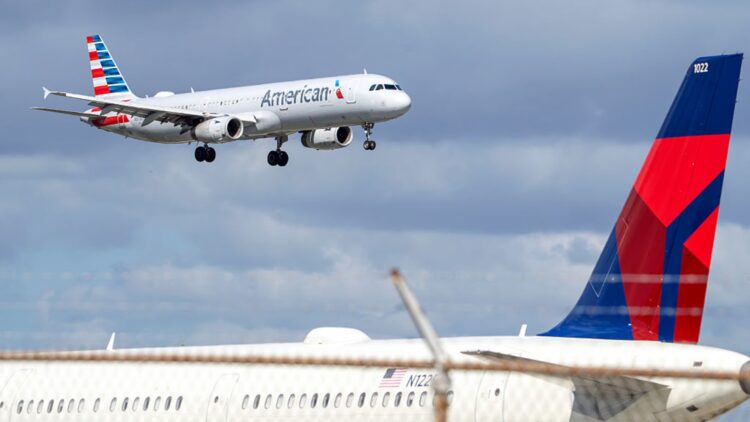
Delta Air Lines CEO Ed Bastian discussed the airline’s performance and the travel industry’s challenges in a CNBC interview. Despite higher jet fuel prices due to the war in Iran, several airlines, including Delta, raised their revenue expectations for the first quarter. Delta CEO Bastian reported a $400 million hit for the fourth quarter but noted strong demand, leading to higher revenue growth than initially anticipated. The higher revenue is offsetting the cost of not just the fuel, indicating resilience in the face of rising operational expenses.
Key Points:
Delta Air Lines CEO Ed Bastian reported a $400 million hit for the fourth quarter due to higher jet fuel prices.
Despite the increased costs, demand for air travel has been “really, really great,” leading to higher revenue growth.
The airline’s revenue expectations for the first quarter were raised despite the challenges posed by rising jet fuel costs.
Actionable Takeaways:
Revenue Growth Amid Rising Costs: Delta’s ability to raise revenue expectations despite higher jet fuel prices highlights the resilience of the airline industry. Airlines are finding ways to offset increased operational costs, which could serve as a model for other carriers facing similar challenges. This suggests that demand elasticity and effective cost management strategies are crucial for maintaining profitability in volatile market conditions.
Importance of Demand Elasticity: The strong demand for air travel, as indicated by Delta’s revenue growth, underscores the importance of demand elasticity in the travel industry. Airlines that can quickly adapt to changing market conditions and consumer behavior are likely to thrive. This insight is particularly relevant for startups and established airlines alike, emphasizing the need for agile business models that can respond to economic pressures and market dynamics.
Contextual Insights:
The article reflects the ongoing challenges faced by the travel industry, particularly the impact of geopolitical events such as the war in Iran on fuel prices. These challenges are compounded by broader trends such as fluctuating consumer demand and the need for operational efficiency. For thought leaders and industry professionals, this underscores the importance of staying informed about geopolitical developments and their direct impact on operational costs. Additionally, the article highlights the need for innovation in travel tech and operational strategies to mitigate the effects of rising fuel costs. Startups and established airlines alike must focus on developing cost-effective solutions and leveraging technology to enhance operational efficiency and customer satisfaction. This context is essential for understanding the broader implications of the article’s findings and for anticipating future trends in the travel industry.