








No products in the cart.
- Latest
- Trending


Cathay Pacific, Emirates, United Airlines, Air France‑KLM, American Airlines, Air New Zealand and Ea...
Comprehensive Summarization:
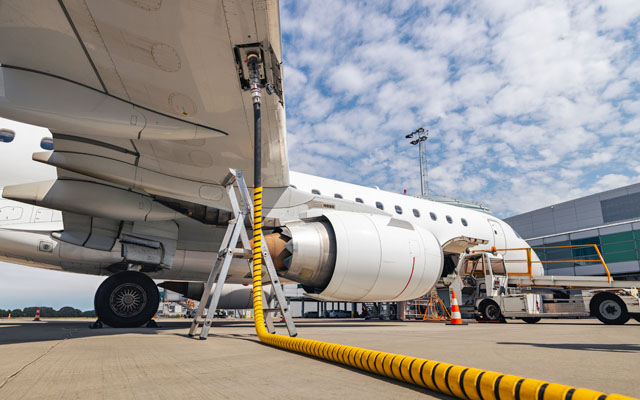
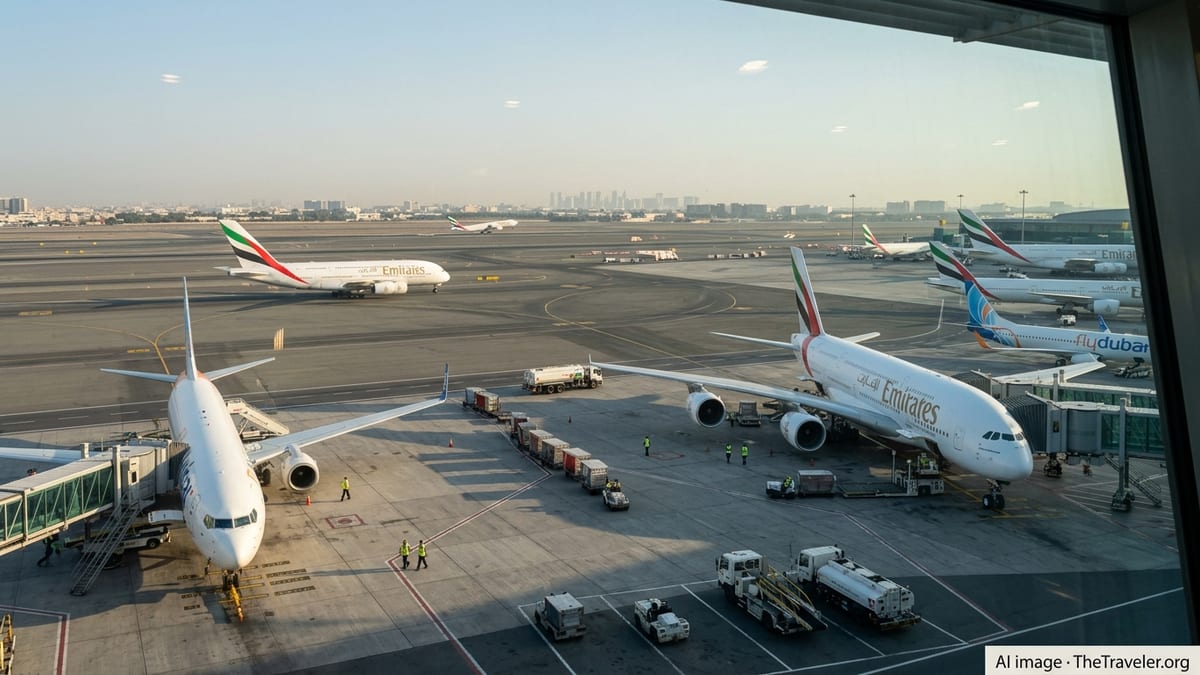
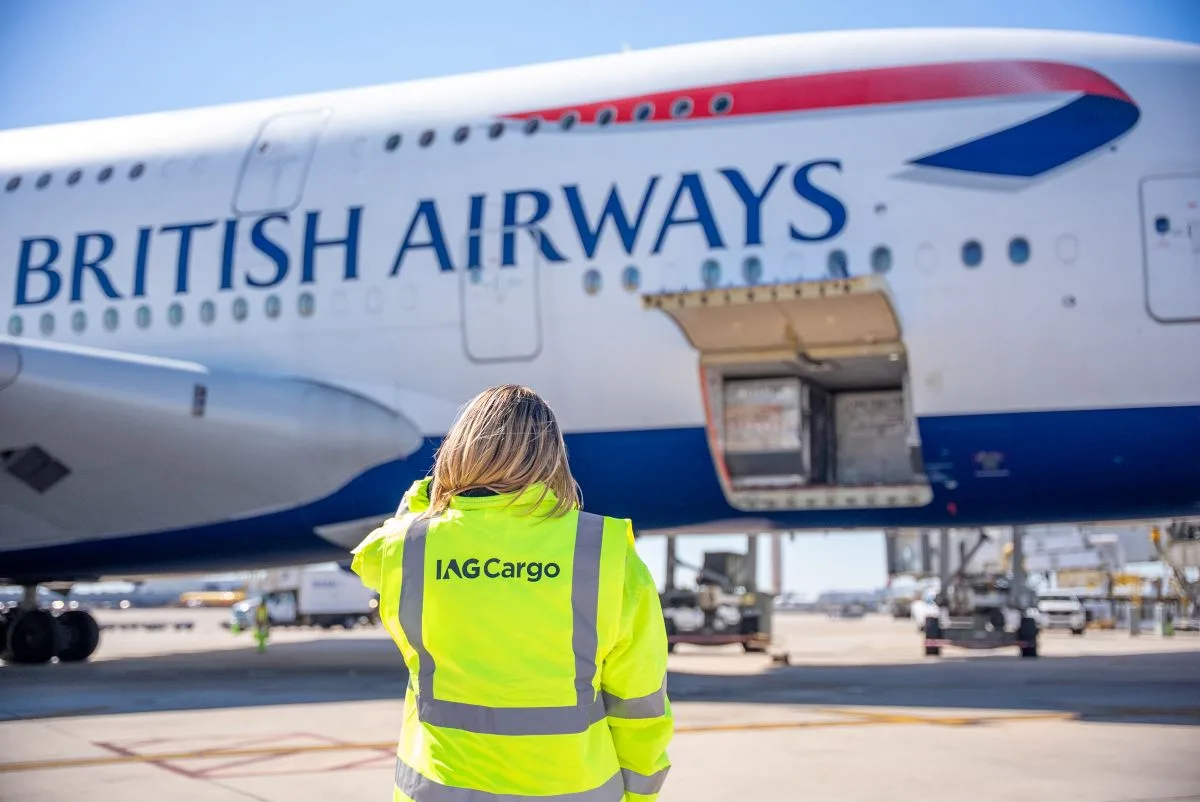
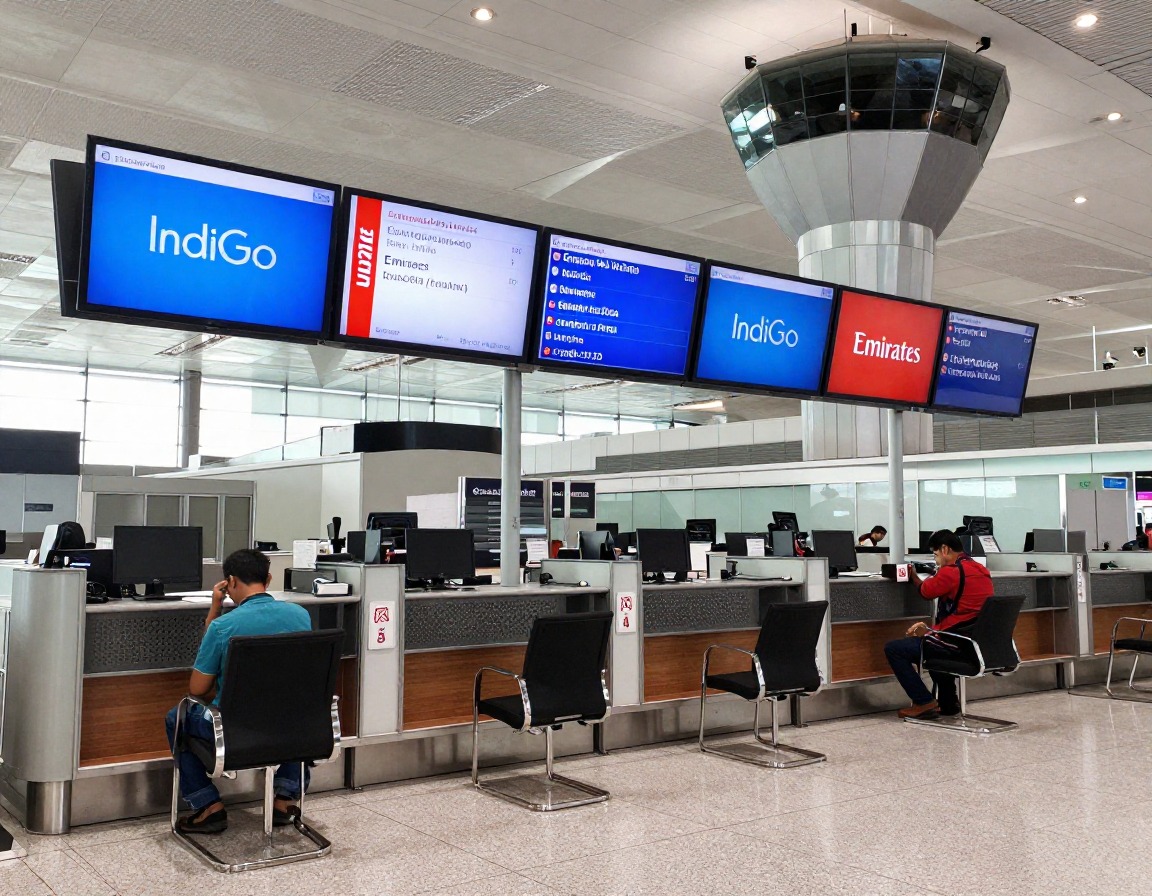
The article highlights a significant concern within the global travel industry as major airlines such as Cathay Pacific, Emirates, United Airlines, Air France‑KLM, American Airlines, Air New Zealand, and EasyJet warn that soaring jet fuel prices, exacerbated by geopolitical tensions, could severely impact tourist flows to key destinations like the UAE, France, and the USA in 2026. The aviation sector is grappling with the escalating costs of jet fuel, which are threatening to derail the industry’s growth and stability. The article underscores the urgency for the industry to address this issue, emphasizing the potential long-term effects on travel demand and economic implications for both airlines and tourists.
Key Points:
Actionable Takeaways:
Diversify Fuel Supply Sources: Airlines should explore diversifying their fuel supply sources to mitigate risks associated with geopolitical tensions. This could involve investing in alternative fuels or establishing partnerships with multiple fuel suppliers to ensure a stable and secure fuel supply chain.
Invest in Fuel-Efficient Aircraft: Airlines should prioritize the acquisition and utilization of fuel-efficient aircraft. Investing in newer, more efficient models can significantly reduce operational costs and lessen the impact of rising jet fuel prices on their bottom line.
Implement Dynamic Pricing Strategies: Airlines should adopt dynamic pricing strategies to adapt to fluctuating fuel costs. By adjusting ticket prices in real-time based on fuel price indices, airlines can better manage their costs and maintain profitability amidst rising fuel expenses.
Contextual Insights:
The soaring jet fuel prices, driven by ongoing geopolitical tensions, reflect broader economic and geopolitical challenges that are impacting the global travel industry. This situation is emblematic of the industry’s vulnerability to external shocks, which can have cascading effects on travel demand and economic stability. The article aligns with current industry trends, where sustainability and cost management are becoming increasingly critical. Airlines are under pressure to innovate and adapt to these challenges, with a growing emphasis on technological advancements and sustainable practices. Forward-looking insights suggest that the industry will need to embrace digital transformation and strategic partnerships to navigate these turbulent times effectively. The potential impact on travel startups and fintech innovations is significant, as these sectors are poised to play a crucial role in developing solutions that enhance operational efficiency and financial resilience for airlines.
Read the Complete Article.
Get curated travel AI insights — choose the newsletters that matter to you.
This spot is reserved for brands with a compelling story for the travel trade. They use this space to cut...
Read moreDetailsALTOUR Expands into Thailand, Strengthening Corporate Travel Network Across Southeast Asia BANGKOK, THAILAND (25 March, 2026) – ALTOUR, a leading...
Read moreDetails


Comprehensive Summarization: Pakistan is emerging as a promising destination for international tourism, particularly from Russia and Eastern Europe, as global...
Read moreDetails