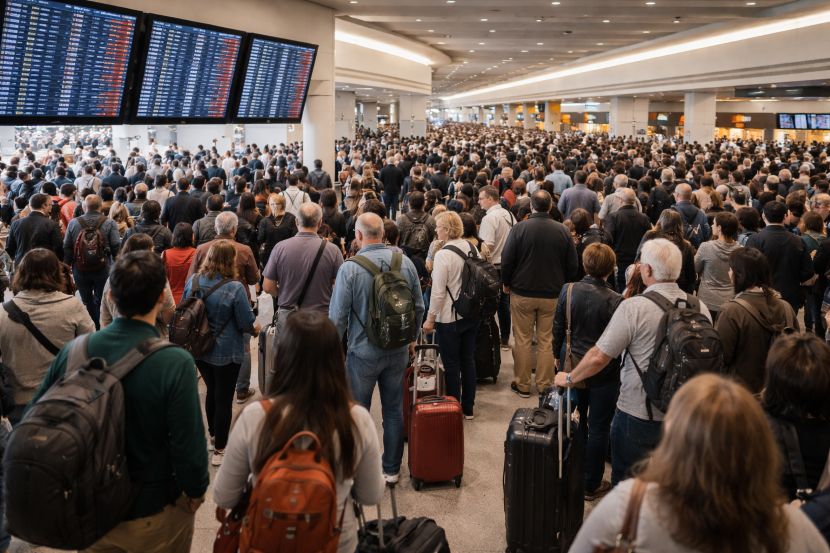
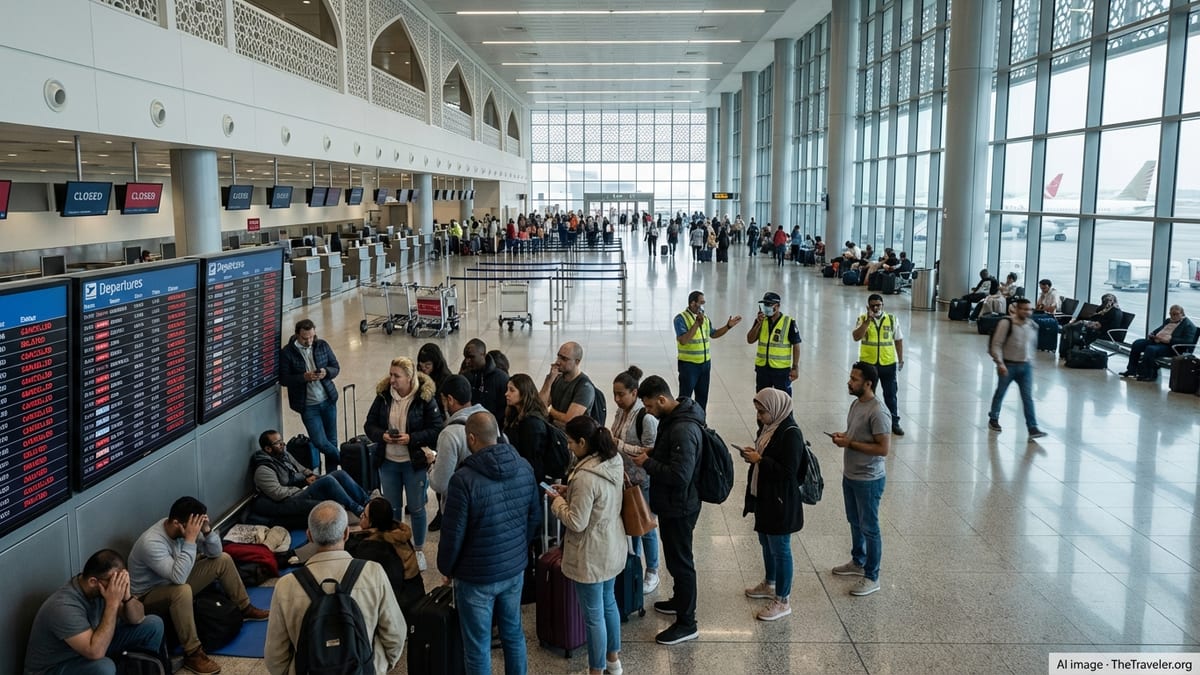
Cleveland Hopkins International Airport experienced significant disruptions on February 2, 2026, with 41 flight delays and 10 cancellations affecting travelers from major US cities including New York, Chicago, and Atlanta. The disruptions were reported across several airlines, including American, Delta, and Southwest. The airport, a crucial hub for travel, faced operational challenges that impacted numerous passengers, highlighting ongoing issues in airport operations and the need for improved efficiency and resilience in the travel industry.
Key Points:
Cleveland Hopkins International Airport faced 41 flight delays and 10 cancellations on February 2, 2026.
The disruptions affected travelers from major US cities, including New York, Chicago, and Atlanta.
Airlines impacted included American, Delta, and Southwest.
The airport’s role as a crucial travel hub was highlighted by the scale of the disruptions.
Actionable Takeaways:
Enhanced Operational Resilience: The disruptions at Cleveland Hopkins International Airport underscore the importance of operational resilience in the travel industry. Airports and airlines should invest in advanced scheduling systems and real-time communication tools to minimize the impact of unforeseen delays and cancellations. This could involve leveraging AI and machine learning for predictive analytics to anticipate and mitigate potential disruptions before they occur.
Focus on Passenger Communication: Effective communication with passengers during disruptions is crucial. Airlines and airports should implement robust communication strategies, including real-time updates via mobile apps, social media, and airport signage. This not only helps manage passenger expectations but also enhances customer satisfaction and loyalty. The incident serves as a reminder of the critical role that transparency and proactive communication play in maintaining trust and reliability in travel services.
Contextual Insights:
The disruptions at Cleveland Hopkins International Airport are indicative of broader challenges faced by the travel industry, particularly in managing large volumes of passengers and navigating unpredictable operational issues. The event highlights the need for continuous investment in technology and infrastructure to ensure airports can handle unexpected delays and cancellations efficiently. Furthermore, the incident underscores the importance of collaboration between airlines, airports, and regulatory bodies to develop standardized protocols for handling such disruptions. As the travel industry continues to evolve, with increasing emphasis on sustainability and digital transformation, airports must adapt to meet the demands of modern travelers while ensuring safety and reliability. The insights from this event can guide the development of innovative solutions in travel tech, fintech, and other related sectors, fostering a more resilient and responsive industry.
Comprehensive Summarization: The article highlights the growing tourism slowdown affecting several countries, including the United States, Greece, Turkey, Sri Lanka,...