The article reports severe travel chaos at Dallas Fort Worth International Airport (DFW) due to thunderstorms, resulting in 713 flight delays and 155 cancellations. Major airlines affected include American, Envoy Air, SkyWest, and PSA Airlines. The disruption has left thousands of passengers stranded and caused significant delays for many more. The article highlights the impact on the travel industry, emphasizing the challenges faced by both passengers and airlines during severe weather events.
Key Points:
Dallas Fort Worth International Airport (DFW) experienced severe weather conditions leading to 713 flight delays and 155 cancellations.
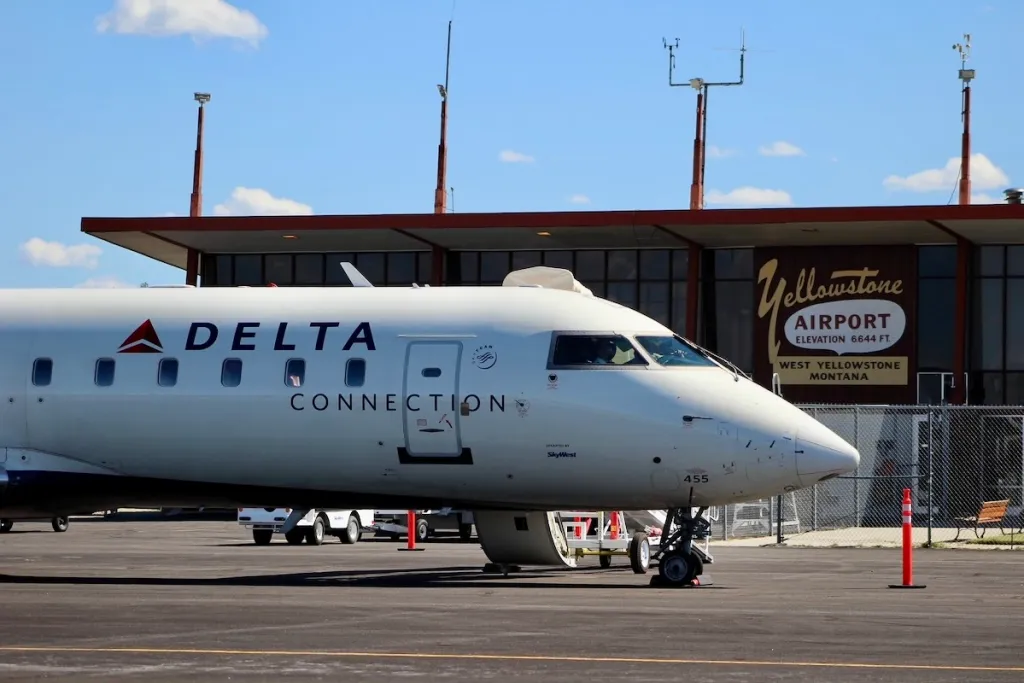
Major airlines such as American, Envoy Air, SkyWest, and PSA Airlines were significantly affected by the disruptions.
The severe thunderstorms at DFW have stranded thousands of passengers and caused considerable inconvenience for others.
The article underscores the challenges faced by the travel industry during adverse weather events.
Actionable Takeaways:
Enhanced Weather Monitoring Systems: Implement advanced weather monitoring and predictive analytics systems to better anticipate and manage disruptions caused by severe weather events. This can help airlines and airports prepare more effectively, reducing the impact on passengers and operational efficiency.
Flexible Passenger Policies: Airlines should consider implementing more flexible policies for passengers affected by severe weather disruptions. This could include easier rebooking options, compensation for delays or cancellations, and clear communication to manage passenger expectations and reduce frustration.
Investment in Resilient Infrastructure: Airlines and airports should invest in resilient infrastructure and operational protocols to better withstand severe weather conditions. This includes upgrading airport facilities, improving communication systems, and ensuring staff are adequately trained to handle such disruptions efficiently.
Contextual Insights:
The article reflects the ongoing challenges faced by the travel industry in managing severe weather disruptions. Recent trends indicate an increased frequency and intensity of weather-related events, which have significant implications for travel logistics and passenger experience. Thought leaders in the travel sector emphasize the need for innovation in technology and operational strategies to mitigate these challenges. The focus on resilient infrastructure and advanced monitoring systems aligns with current industry trends towards enhancing operational efficiency and passenger safety. The article also highlights the importance of flexible policies and communication in maintaining passenger trust and satisfaction during disruptions.