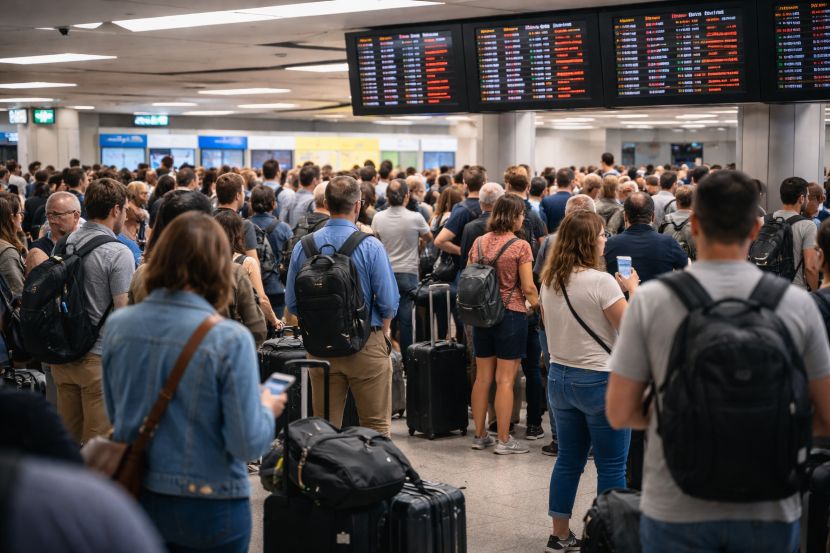
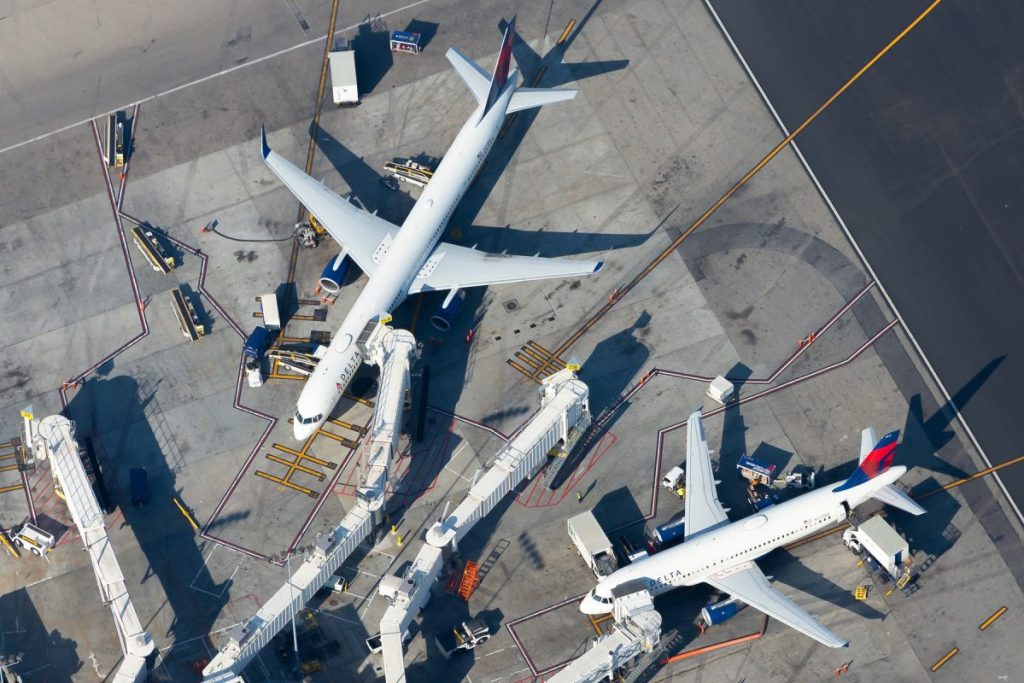
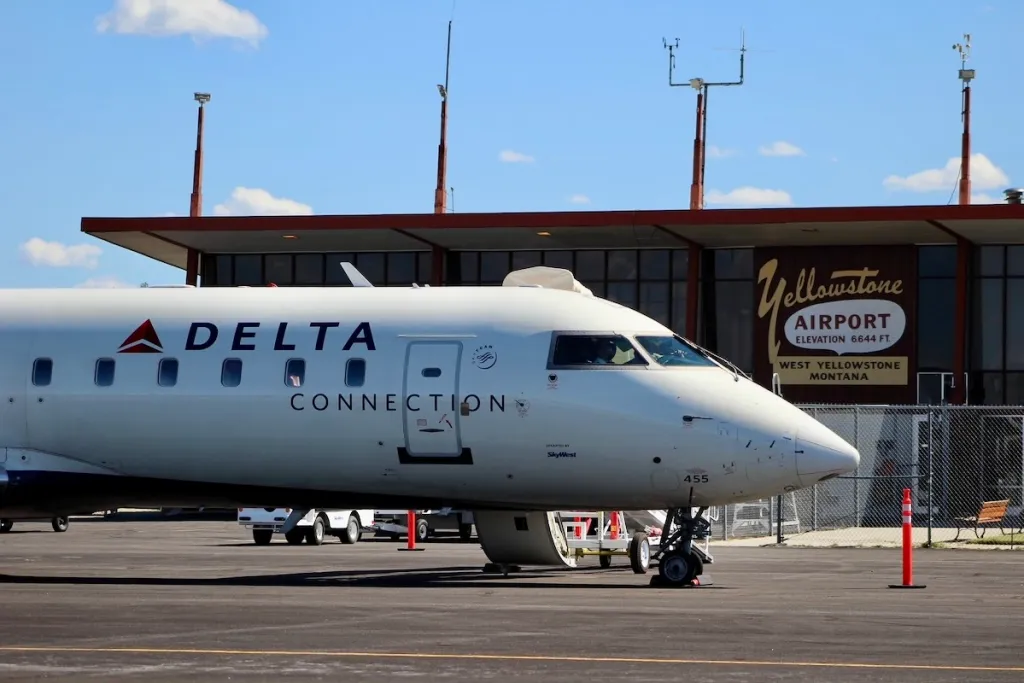
The article reports on significant disruptions at Dallas-Fort Worth International Airport (DFW), one of the busiest airports in the US, on February 16, 2026. As of the publication time, DFW experienced 223 flight delays and 24 flight cancellations. Major airlines such as American Airlines, Southwest, and Delta were affected by these disruptions. The article highlights the frustration among airline passengers and the broader implications for the travel industry, emphasizing the challenges faced by both passengers and airlines in managing such operational issues.
Key Points:
Flight Disruptions at DFW: The article reports 223 flight delays and 24 flight cancellations at Dallas-Fort Worth International Airport on February 16, 2026, impacting major airlines including American Airlines, Southwest, and Delta.
Impact on Passengers and Airlines: The disruptions have caused frustration among airline passengers and have broader implications for the travel industry, affecting both passenger experience and operational efficiency for airlines.
Focus on DFW Airport: Dallas-Fort Worth International Airport is highlighted as one of the busiest airports in the US, underscoring the significance of its operational challenges in the context of the overall travel industry.
Actionable Takeaways:
Enhanced Operational Resilience: Airlines and airports should invest in advanced operational technologies to improve resilience against unexpected disruptions. This could include real-time flight tracking systems, predictive analytics for demand forecasting, and enhanced communication protocols to manage passenger expectations effectively.
Focus on Passenger Experience: Airlines should prioritize improving passenger communication during disruptions. Providing clear, timely updates and offering alternative travel options can mitigate frustration and maintain customer satisfaction.
Collaborative Problem-Solving: The travel industry should foster collaboration among airlines, airports, and technology providers to develop standardized protocols for handling large-scale disruptions. This could involve sharing real-time data and coordinating responses to minimize the impact on passengers and operations.
Contextual Insights:
The disruptions at DFW Airport underscore the vulnerabilities within the current travel infrastructure, particularly in managing large-scale operational challenges. The article reflects broader trends in the travel industry, such as the increasing reliance on technology to manage complex logistics and the need for robust contingency plans. As the industry continues to evolve, innovations in travel tech, such as AI-driven predictive analytics and enhanced communication platforms, will be crucial in mitigating the impact of such disruptions. Thought leaders emphasize the importance of integrating these technologies to enhance operational efficiency and improve passenger experiences, ensuring the industry can adapt to future challenges effectively.
Comprehensive Summarization: The article reports on significant travel disruptions at Keflavik International Airport in Iceland, where 27 flights were delayed...