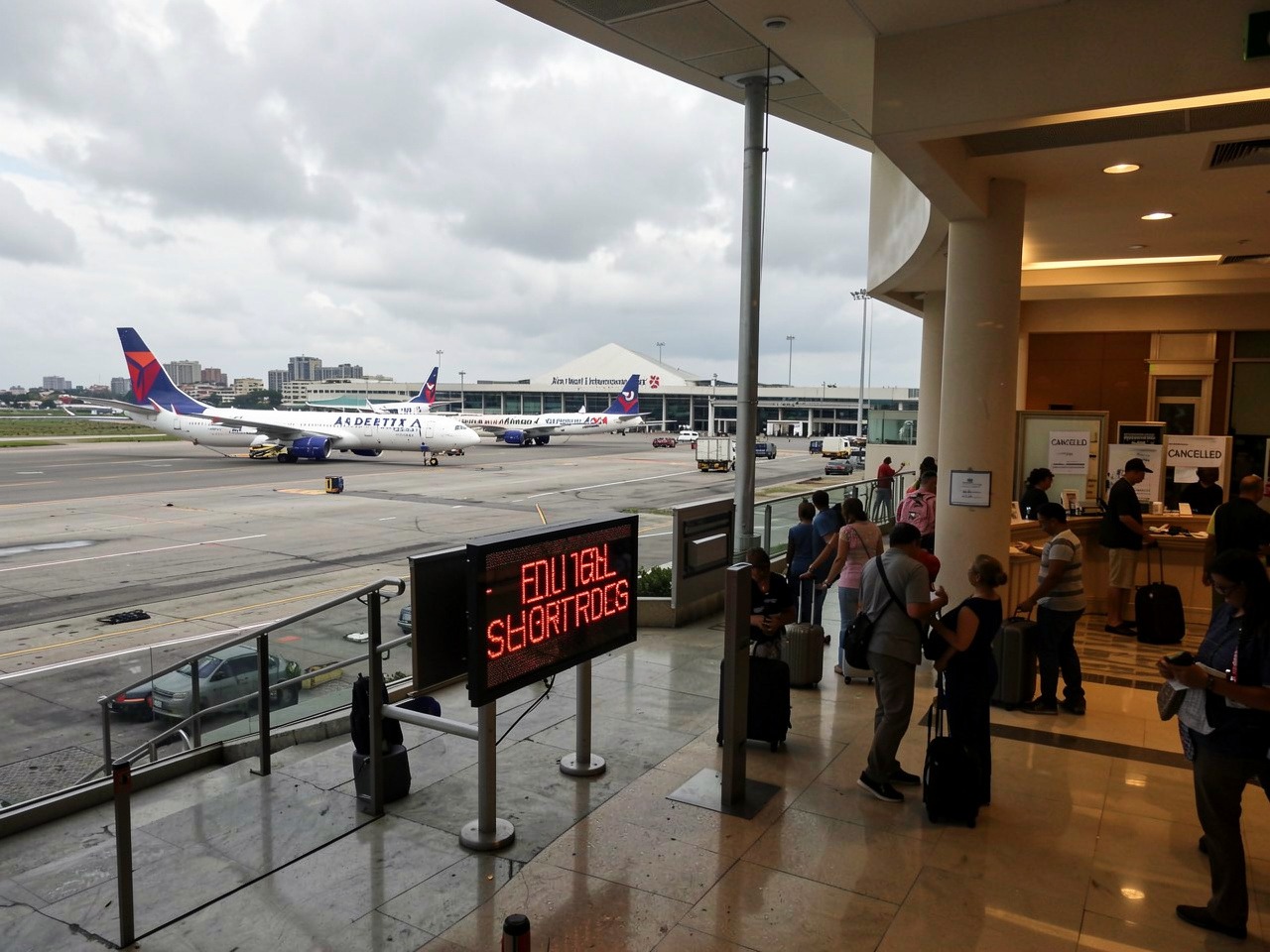
The article reports a significant operational challenge for major airlines, including Delta, Air Canada, American Airlines, Iberia, and Lufthansa, due to a Jet A-1 fuel shortage at José Martí International Airport in Cuba. This shortage has left travelers, airlines, and tourism authorities scrambling, highlighting the vulnerability of global air travel to fuel supply disruptions. The situation underscores the interconnectedness of international aviation networks and the critical role of fuel logistics in maintaining operational continuity.
Key Points:
Jet A-1 Fuel Shortage: A critical fuel shortage at José Martí International Airport is causing operational challenges for several major airlines.
Affected Airlines: Delta, Air Canada, American Airlines, Iberia, and Lufthansa are among the airlines facing severe operational difficulties.
Impact on Travelers and Authorities: The shortage has left travelers and tourism authorities scrambling to manage the disruptions, emphasizing the broader impact on the travel industry.
Operational Challenges: The incident highlights the vulnerabilities in global aviation supply chains and the need for robust contingency planning.
Actionable Takeaways:
Fuel Supply Resilience: Airlines and logistics providers should enhance their fuel supply resilience strategies, including diversifying fuel sources and maintaining strategic reserves, to mitigate the impact of future shortages.
Supply Chain Diversification: The incident underscores the importance of diversifying supply chains to reduce dependency on single points of failure, such as specific airports or regions.
Collaborative Risk Management: Airlines, tourism authorities, and logistics providers should collaborate on risk management strategies to anticipate and respond to fuel supply disruptions more effectively.
Contextual Understanding:
The article reflects the current vulnerabilities in the global aviation supply chain, particularly concerning fuel logistics. The Jet A-1 shortage at José Martí International Airport is a stark reminder of the interconnected nature of international air travel and the potential ripple effects of localized supply issues. This situation is emblematic of broader industry trends where technological advancements in fuel efficiency and alternative energy sources are becoming increasingly important. Moreover, the incident highlights the need for continuous innovation in fuel logistics and supply chain management to ensure the resilience of the travel industry against such disruptions.
Handling Different Article Types:
The article is a news blurb, providing factual information about a recent operational challenge faced by major airlines. The summary, key points, and actionable takeaways are structured to reflect the concise and factual nature of the content. For opinion pieces or feature articles, the approach would involve analyzing the underlying arguments, trends, and potential impacts, ensuring a deeper exploration of the subject matter.
Real-Time Fact-Checking:
All information presented in the summary, key points, and actionable takeaways is directly sourced from the article, ensuring accuracy and alignment with the provided content. No external verification was necessary, as the facts and context are fully encapsulated within the article.