Article Summary:
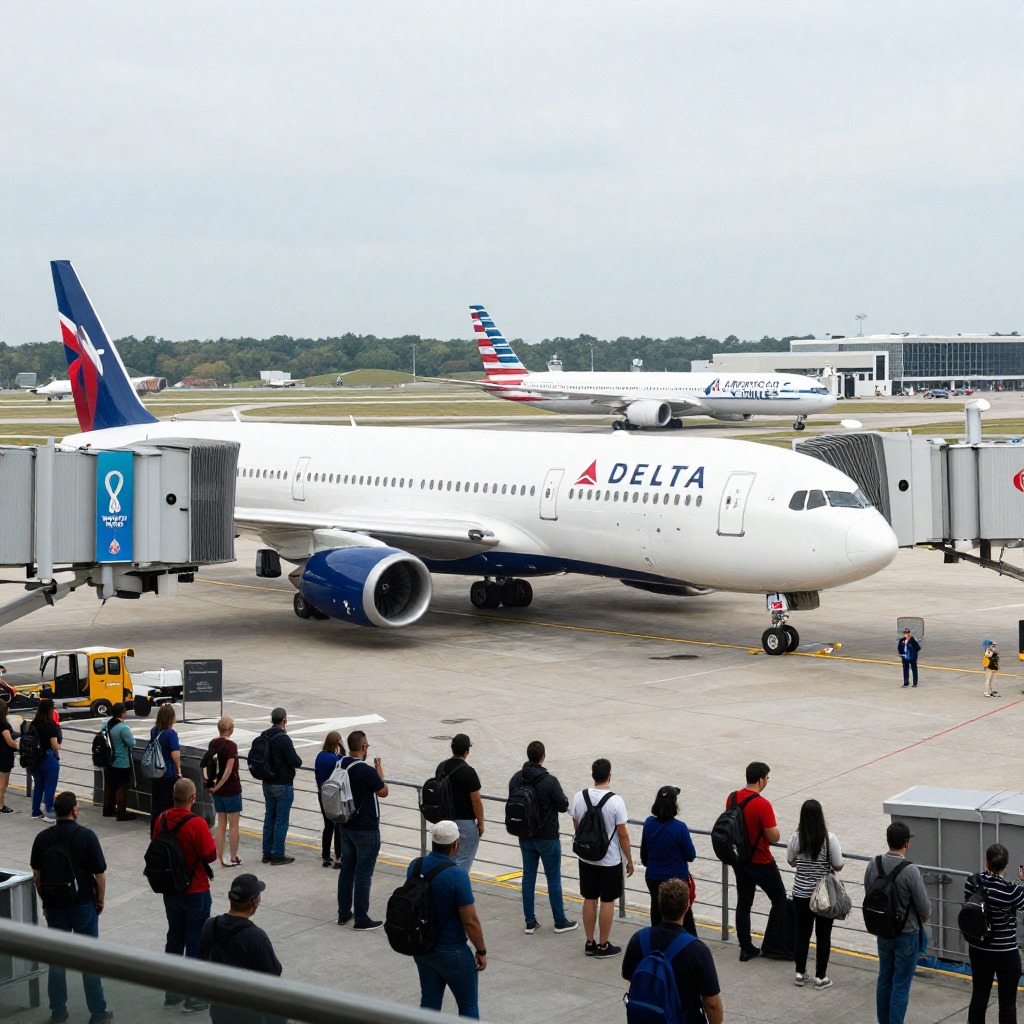
Delta, American Airlines, and Air Canada are preparing for a significant increase in air travel as the FIFA World Cup 2026 approaches, set to host 16 cities across the U.S., Canada, and Mexico. The surge in demand is expected to lead to a massive hospitality surge in these regions, reflecting the growing interest and investment in the World Cup 2026.
Key Points:
- The FIFA World Cup 2026 is set to be a major event, with 16 host cities across North America, driving a surge in air travel and hospitality demand.
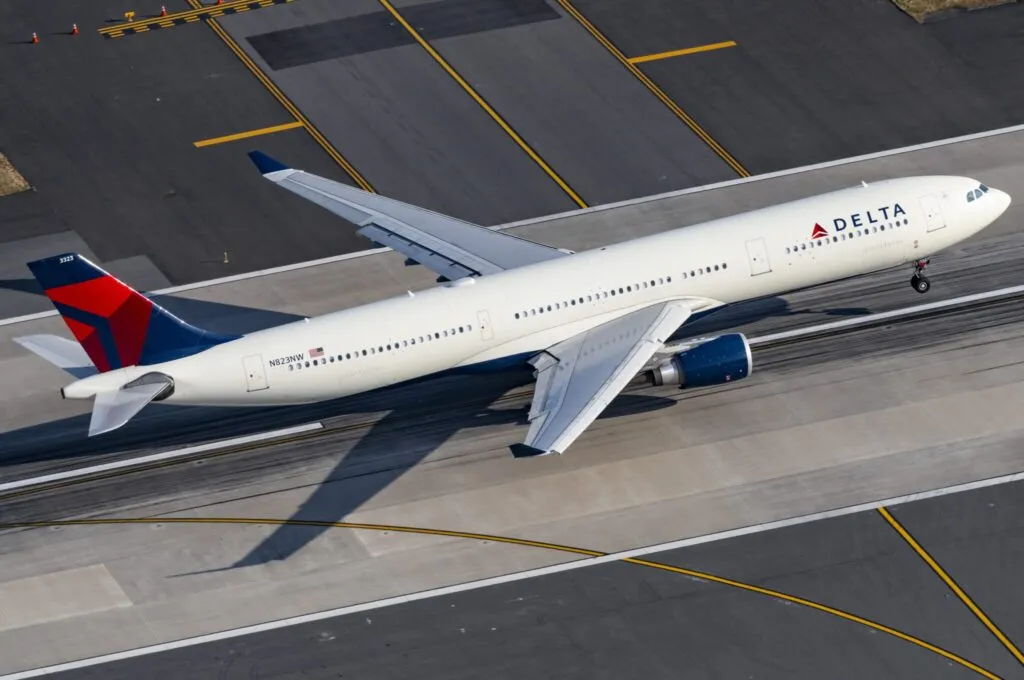
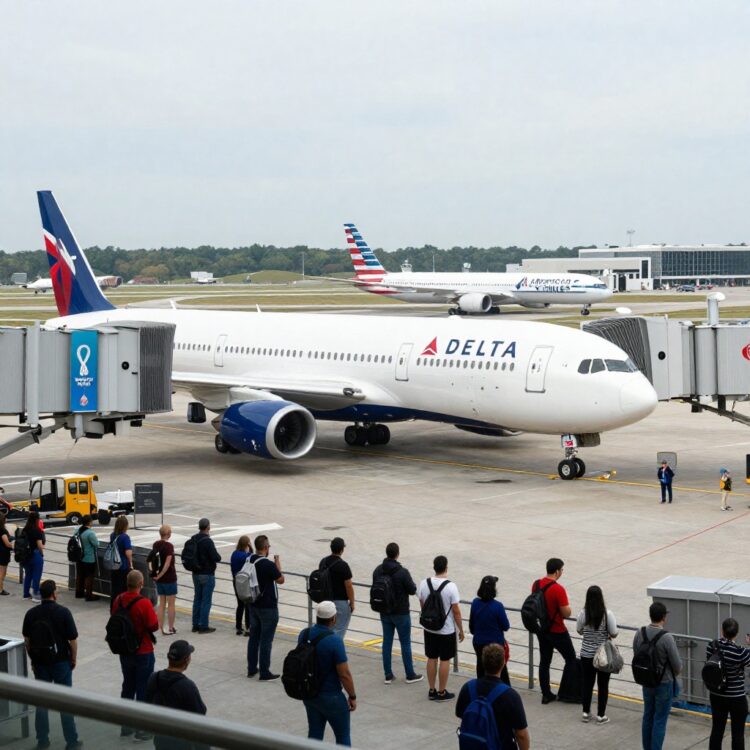
- Major airlines, including Delta, American Airlines, and Air Canada, are gearing up to handle the unprecedented increase in passenger traffic.
- The article highlights the strategic preparations by these airlines to accommodate the expected influx of travelers, indicating a robust response to the event’s scale.
Actionable Takeaways:
- Increased Air Travel Capacity: Airlines should focus on enhancing their air travel capacity and operational efficiency to manage the expected surge in demand. This includes optimizing flight schedules, increasing fleet sizes, and improving customer service to meet the heightened expectations of travelers.
- Hospitality Industry Collaboration: Hotels and hospitality businesses in the U.S., Canada, and Mexico should collaborate with airlines to offer integrated travel packages. This could include bundled deals on flights and accommodations, leveraging the World Cup as a marketing opportunity to attract more visitors.
- Investment in Technology: The airlines and hospitality sector should invest in advanced technology solutions for booking, customer service, and real-time updates. This will help in managing the increased workload and ensuring a seamless travel experience for passengers.
Contextual Insights:
The FIFA World Cup 2026 is a significant event that not only boosts tourism but also stimulates the broader economy, including the travel and hospitality sectors. The preparations by airlines like Delta, American Airlines, and Air Canada reflect a broader trend of industries gearing up for major global events. This trend underscores the importance of strategic planning and technological innovation in the travel industry to handle such surges in demand effectively. As the world becomes more interconnected, such events continue to highlight the dynamic nature of the travel sector, driven by global sporting events and the subsequent economic opportunities they present.
Read the Complete Article.