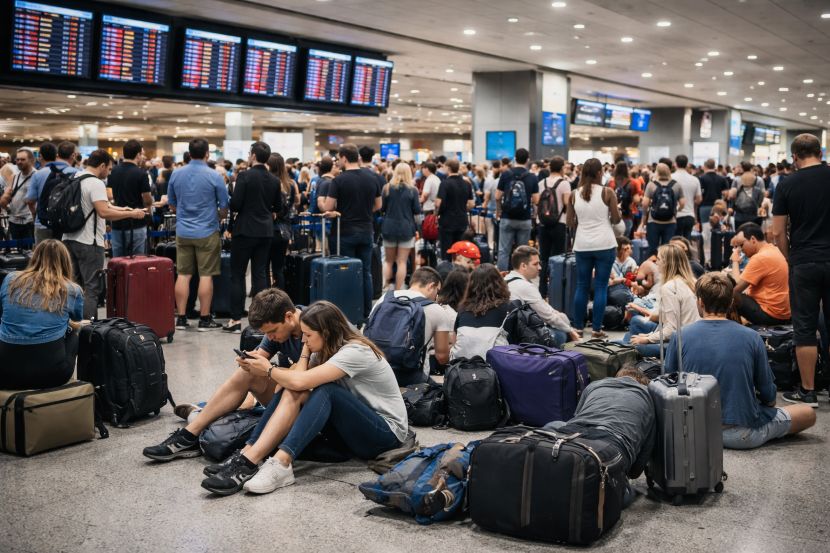
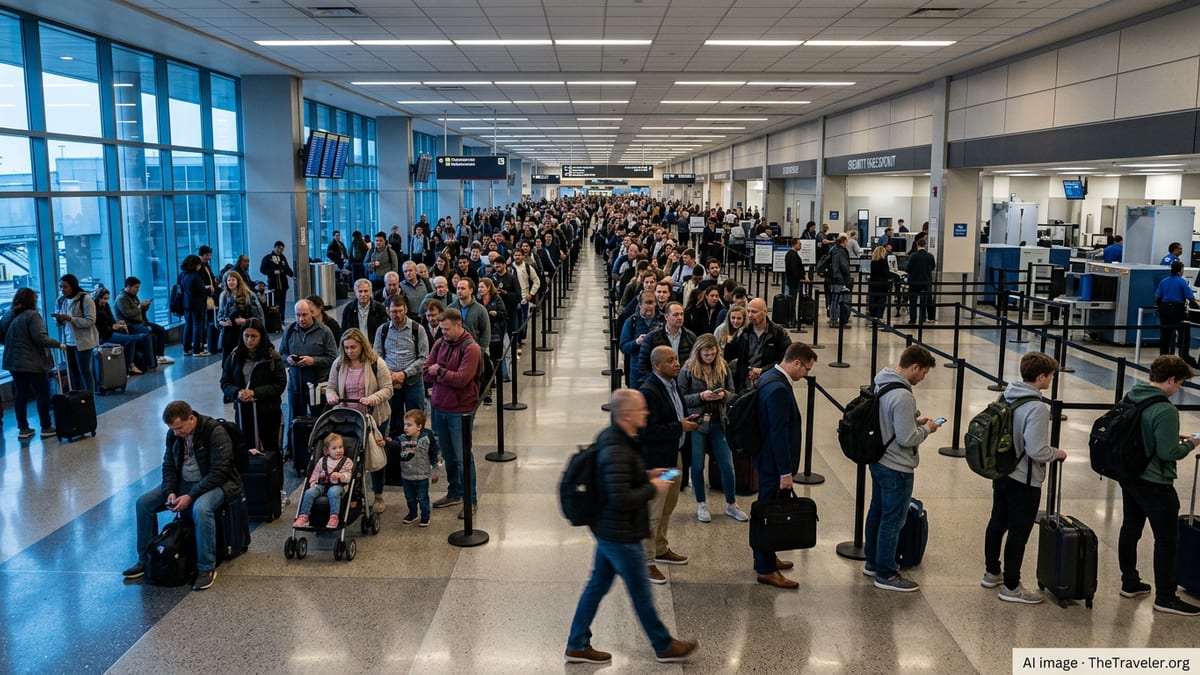
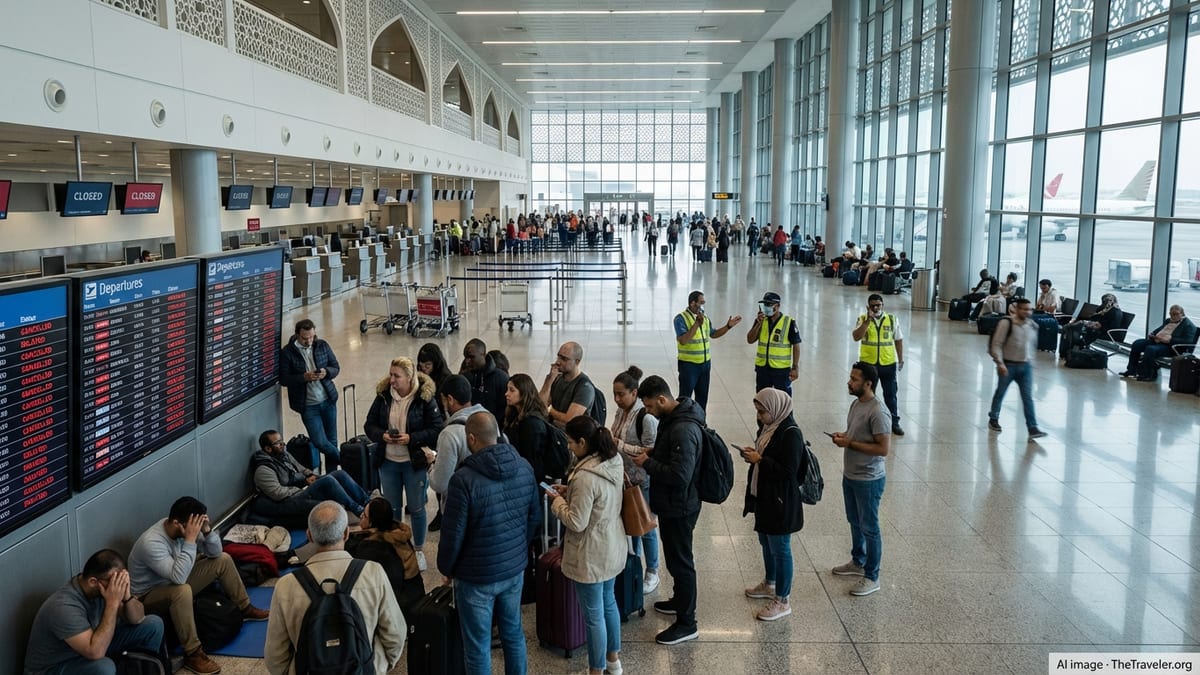
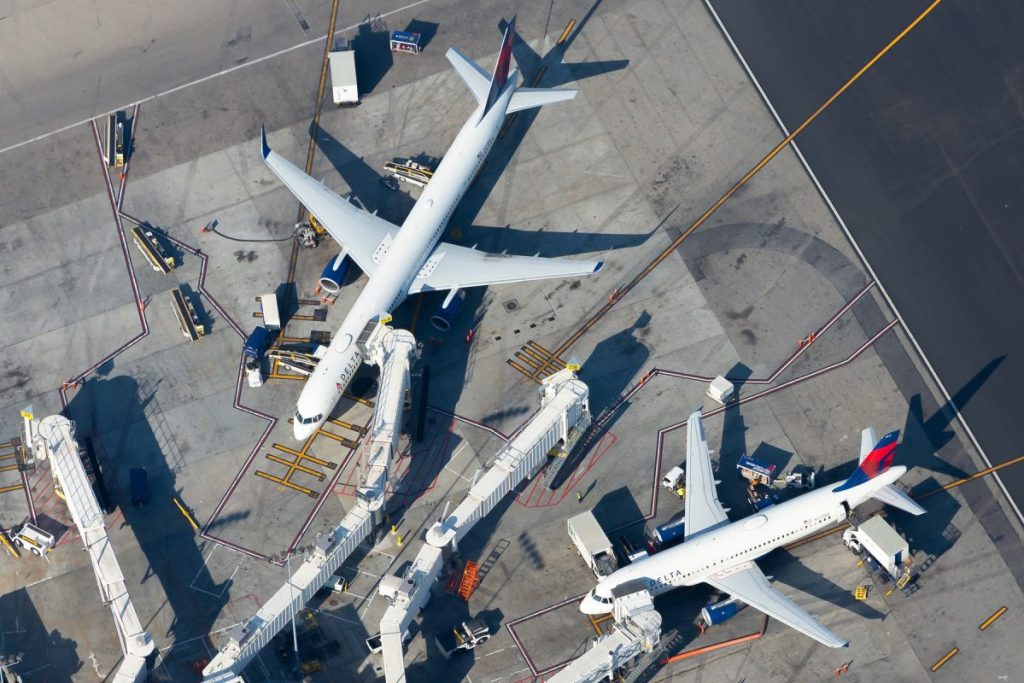
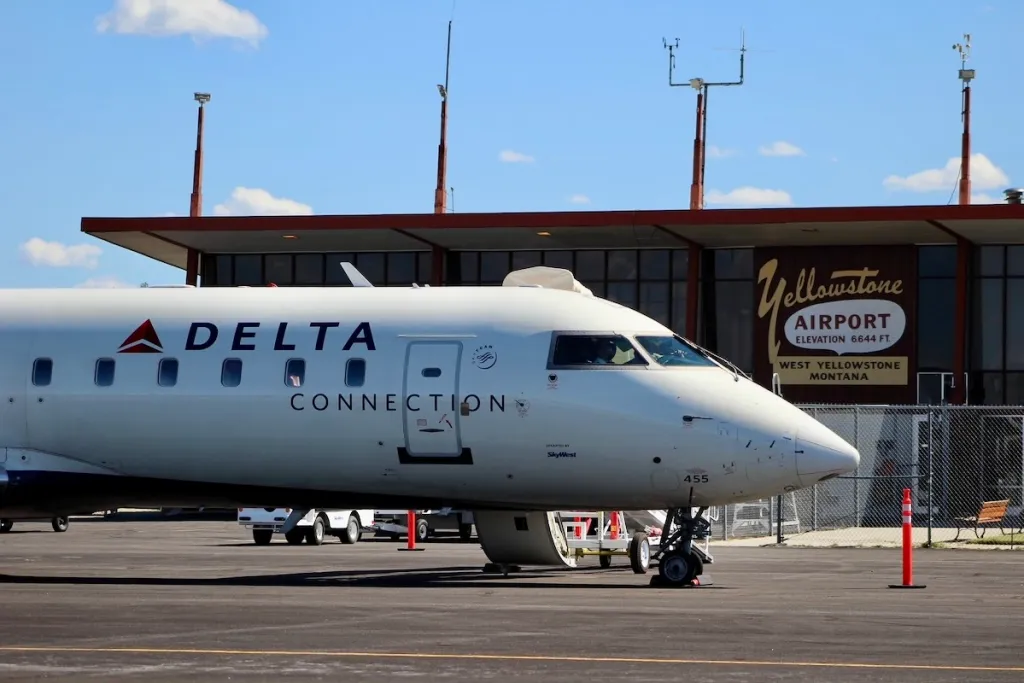
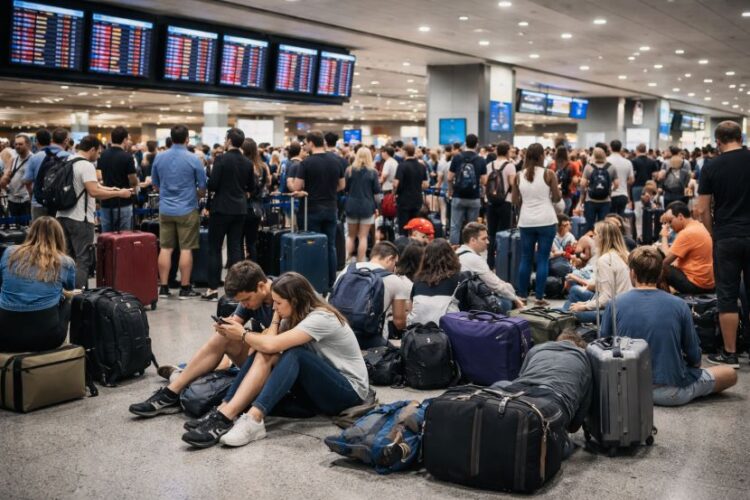
The article reports on significant disruptions at Detroit Metro Wayne County Airport (DTW) in Michigan, where Delta, American Airlines, United, and Southwest Airlines have collectively faced 46 flight delays and 10 cancellations. This situation, exacerbated by extreme weather conditions, has left travelers stranded across major US cities including Detroit, Chicago, and New York. The article highlights the impact on international visitors and underscores the vulnerability of the travel industry to weather-related disruptions. It also touches on broader travel trends and insights from industry thought leaders, emphasizing the need for robust contingency planning and the potential for technological innovations to mitigate such disruptions.
Key Points:
DTW experienced 46 flight delays and 10 cancellations due to extreme weather conditions.
The disruptions affected travelers across major US cities, including Detroit, Chicago, and New York.
The situation poses challenges for international visitors and highlights vulnerabilities in the travel industry to weather-related disruptions.
The article references recent events and market conditions impacting the travel industry, particularly in the context of severe weather.
Actionable Takeaways:
Implement Enhanced Weather Monitoring Systems: Airlines and airports should invest in advanced weather monitoring and predictive analytics systems to anticipate and mitigate the impact of severe weather on flight operations. This can help in making informed decisions and communicating effectively with travelers, thereby reducing the number of cancellations and delays.
Develop Flexible Travel Policies: Travelers should be offered flexible booking options, such as free rescheduling or fare adjustments, to minimize the inconvenience caused by flight disruptions. This approach can enhance customer satisfaction and loyalty, especially in the face of unpredictable weather-related challenges.
Invest in Resilient Infrastructure: Airports should focus on upgrading infrastructure to withstand extreme weather conditions, including robust drainage systems, reinforced structures, and backup power supplies. Such investments can significantly reduce the frequency of flight cancellations and delays, ensuring smoother operations during adverse weather events.
Contextual Insights:
The article reflects the ongoing challenges faced by the travel industry in managing disruptions caused by extreme weather. Recent trends indicate a growing reliance on technology to enhance operational resilience. For instance, the integration of AI and machine learning in predictive analytics is becoming increasingly common, allowing airlines and airports to forecast weather impacts more accurately. This aligns with the broader industry trend towards digital transformation, where technology plays a pivotal role in improving efficiency and customer experience. Moreover, the article underscores the importance of flexible policies and resilient infrastructure in maintaining customer trust and satisfaction during unforeseen disruptions. As the travel industry continues to evolve, embracing innovative solutions and strategic planning will be crucial in navigating future challenges effectively.
Comprehensive Summarization: The article reports a ground handling incident involving a FlySafair Boeing 737-800 at Cape Town International Airport, which...