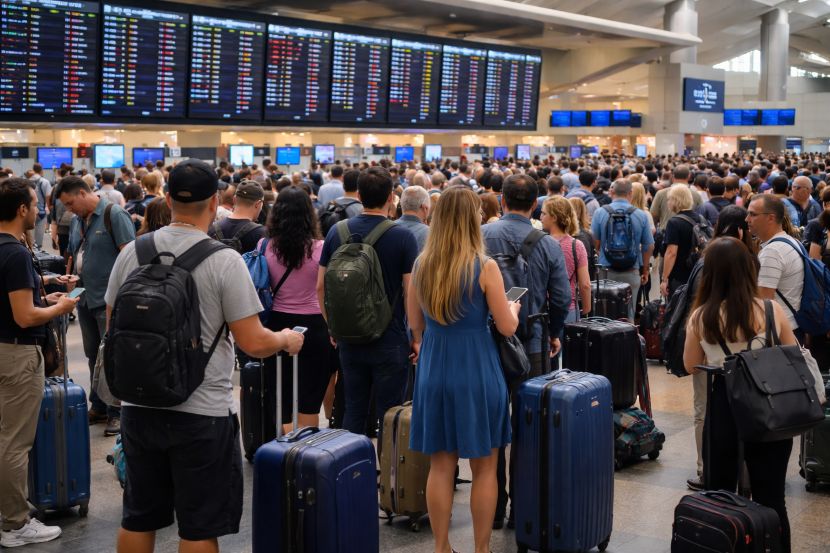
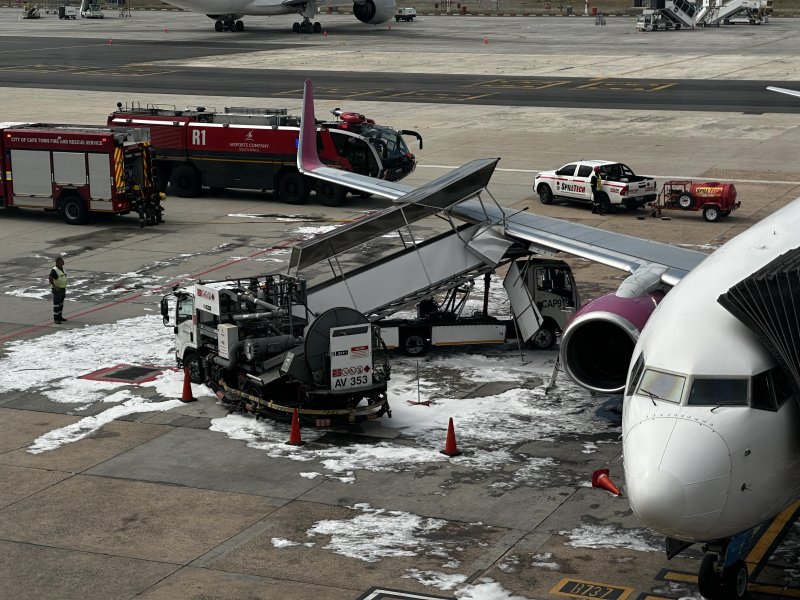
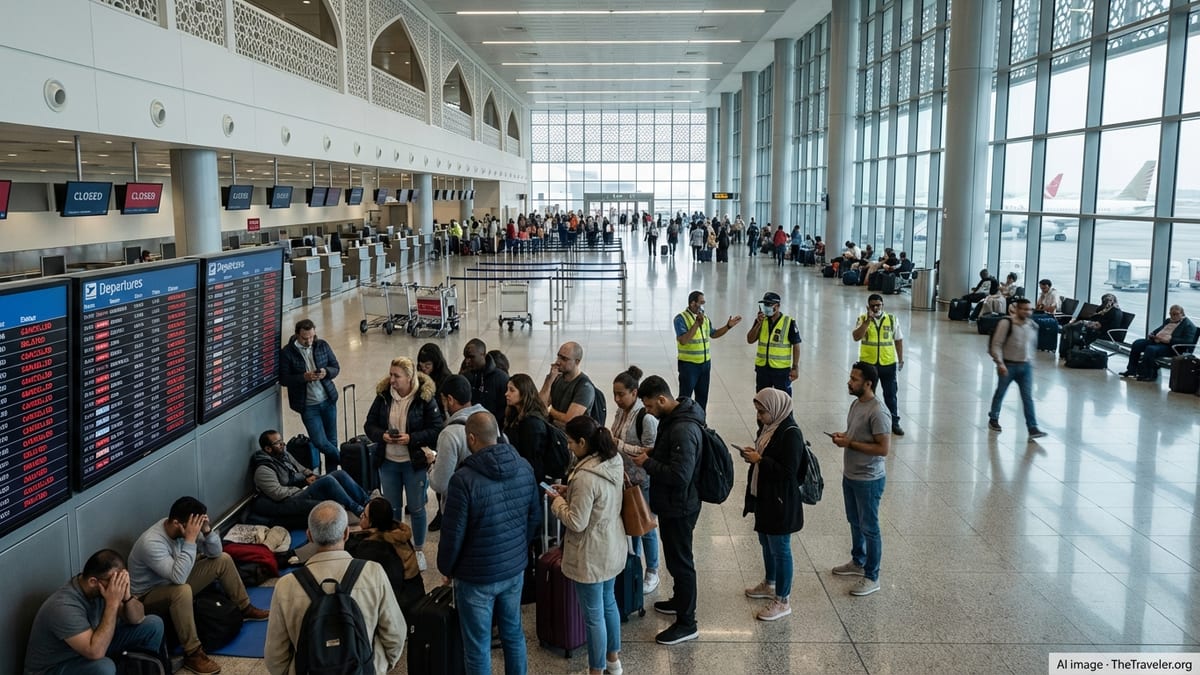
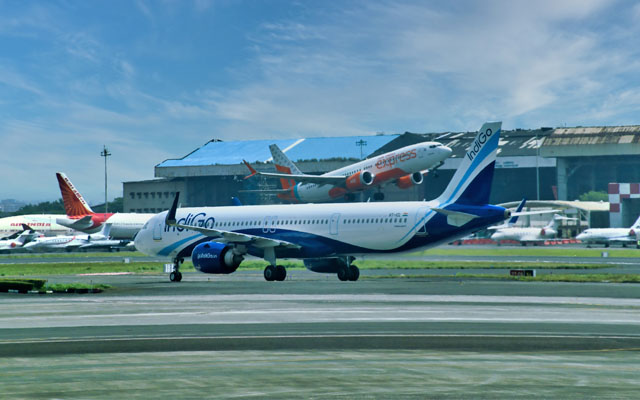
The article reports on 12 flight cancellations affecting major US carriers, including Delta, American Airlines, Southwest, and United, due to disruptions at Louis Armstrong New Orleans International Airport. This incident impacts routes to key destinations such as Atlanta, Chicago, Dallas, and New York. The disruptions highlight the vulnerability of even the busiest airports in the Southeast United States to operational issues, which can have widespread effects on travel schedules and passenger plans across the nation.
Key Points:
Flight Cancellations: 12 flights were canceled due to disruptions at Louis Armstrong New Orleans International Airport.
Major US Carriers Affected: Delta, American Airlines, Southwest, and United are among the carriers impacted.
Affected Destinations: Routes to Atlanta, Chicago, Dallas, New York, and other nationwide destinations are disrupted.
Airport Disruptions: The incident underscores the challenges faced by even major airports in the Southeast United States, impacting nationwide travel plans.
Actionable Takeaways:
Enhanced Airport Resilience: Airlines and airports should invest in robust contingency plans and real-time monitoring systems to mitigate the impact of operational disruptions. This includes improving communication with passengers and implementing flexible scheduling to manage cancellations effectively.
Focus on Passenger Experience: Airlines should prioritize passenger communication and support during disruptions. Providing clear updates, alternative travel options, and assistance in rebooking can help maintain customer satisfaction and loyalty.
Contextual Insights:
The disruptions at Louis Armstrong New Orleans International Airport highlight the interconnected nature of the global travel industry, where issues at a single airport can cascade across multiple routes and destinations. This situation underscores the importance of technological advancements in travel tech, such as real-time flight tracking and automated rebooking systems, to enhance operational resilience. Furthermore, the incident reflects broader trends in the travel industry towards greater reliance on technology to manage disruptions efficiently. As the industry continues to evolve, startups focusing on travel tech solutions, particularly those addressing airport operations and passenger experience, are likely to see increased demand and investment. This aligns with the growing emphasis on fintech innovations in travel, where seamless payment solutions and dynamic pricing models can further enhance the resilience and adaptability of airlines and airports in the face of unforeseen challenges.
Comprehensive Summarization: The article highlights the growing tourism slowdown affecting several countries, including the United States, Greece, Turkey, Sri Lanka,...