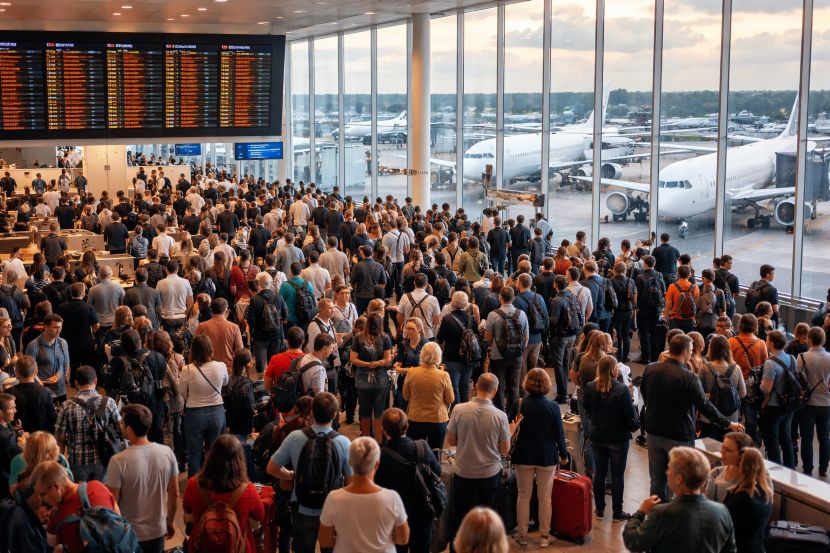
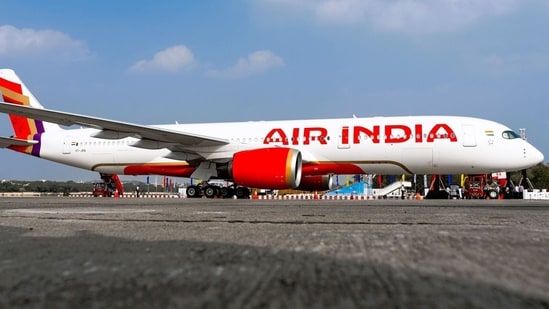
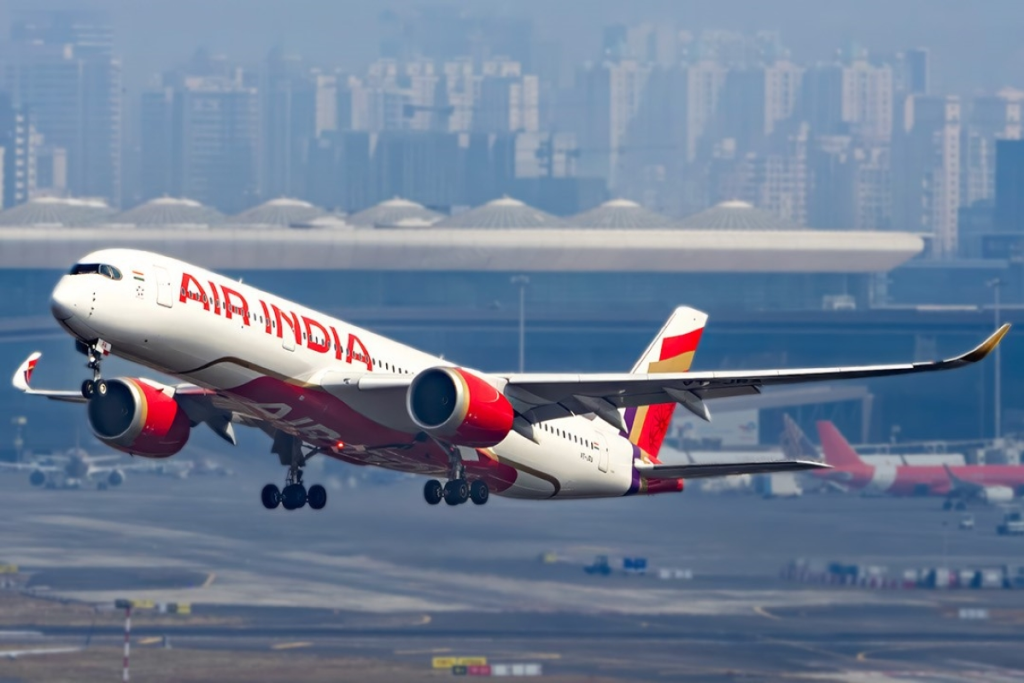
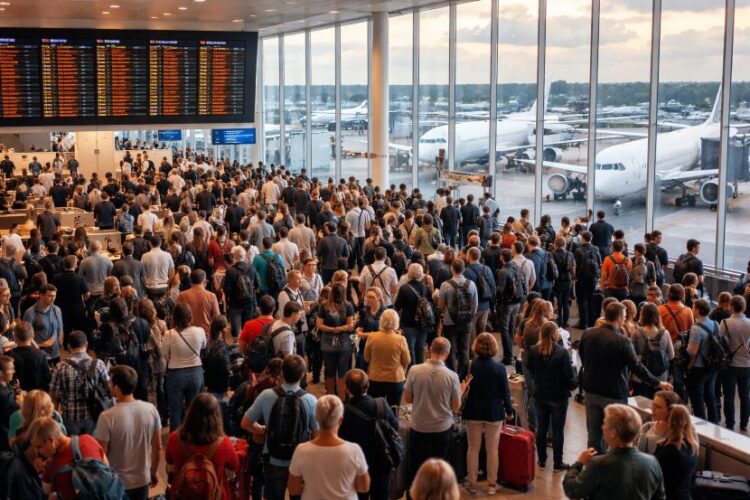
The article reports on significant disruptions at Orlando International Airport (MCO), where Delta, Spirit, Southwest, and American Airlines collectively faced 409 delays and 55 cancellations. This event has led to severe travel disruption in the surrounding areas, affecting hundreds of travelers across major U.S. cities including Orlando, New York, Chicago, and Miami. The chaos caused by these delays and cancellations has significantly impacted the travel experience for many passengers, highlighting ongoing challenges in the airline industry’s operational efficiency and customer service delivery.
Key Points:
Massive Delays and Cancellations: Delta, Spirit, Southwest, and American Airlines collectively reported 409 delays and 55 cancellations at MCO, causing widespread travel disruption.
Geographic Impact: The disruptions affected major U.S. cities, including Orlando, New York, Chicago, and Miami, impacting thousands of travelers.
Airport Severity: MCO experienced severe travel disruption, with delays and cancellations bottlenecking travel and causing significant inconvenience for passengers.
Operational Challenges: The article underscores the ongoing challenges faced by airlines in managing operational efficiency and customer service during peak travel periods.
Actionable Takeaways:
Enhanced Operational Planning: Airlines should invest in advanced operational planning tools to better predict and mitigate delays and cancellations. This could involve predictive analytics to anticipate potential disruptions and adjust flight schedules proactively.
Improved Passenger Communication: Airlines must enhance their communication strategies to keep passengers informed about delays and cancellations in real-time. This includes proactive notifications via mobile apps, email, and social media to manage passenger expectations and reduce frustration.
Focus on Customer Service Recovery: Post-disruption, airlines should prioritize customer service recovery efforts, offering compensation or incentives to affected travelers. This could include travel vouchers, upgrades, or additional services to enhance the passenger experience and rebuild trust.
Contextual Insights:
The disruptions at MCO reflect broader challenges within the travel industry, particularly in managing large-scale operational issues during peak travel seasons. The article highlights the importance of leveraging technology and data analytics to improve operational efficiency and passenger experience. As the travel industry continues to evolve, integrating innovative solutions such as AI-driven scheduling and real-time communication platforms will be crucial for airlines to maintain competitive advantage and meet the growing expectations of modern travelers. The incident also underscores the need for airlines to prioritize customer service recovery, ensuring that disruptions do not lead to long-term damage to brand reputation and customer loyalty.