Article Summary:
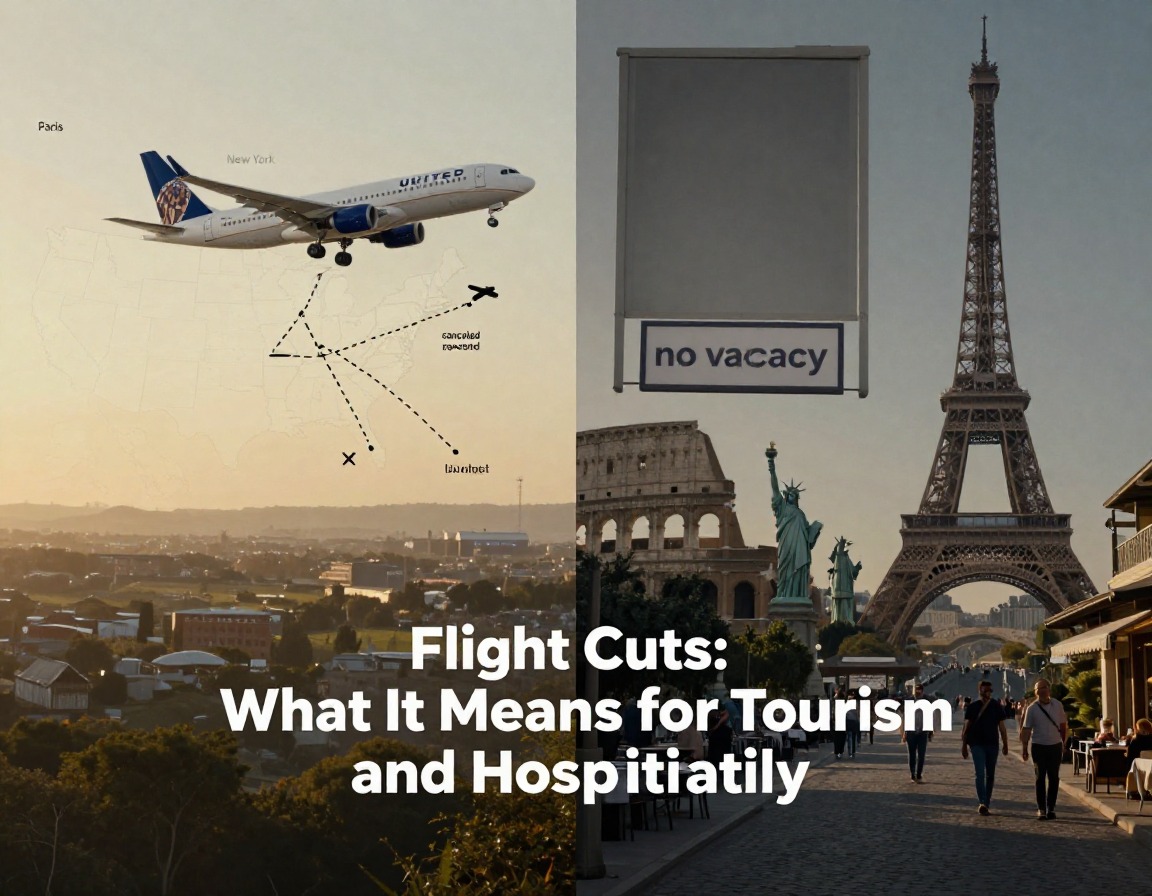
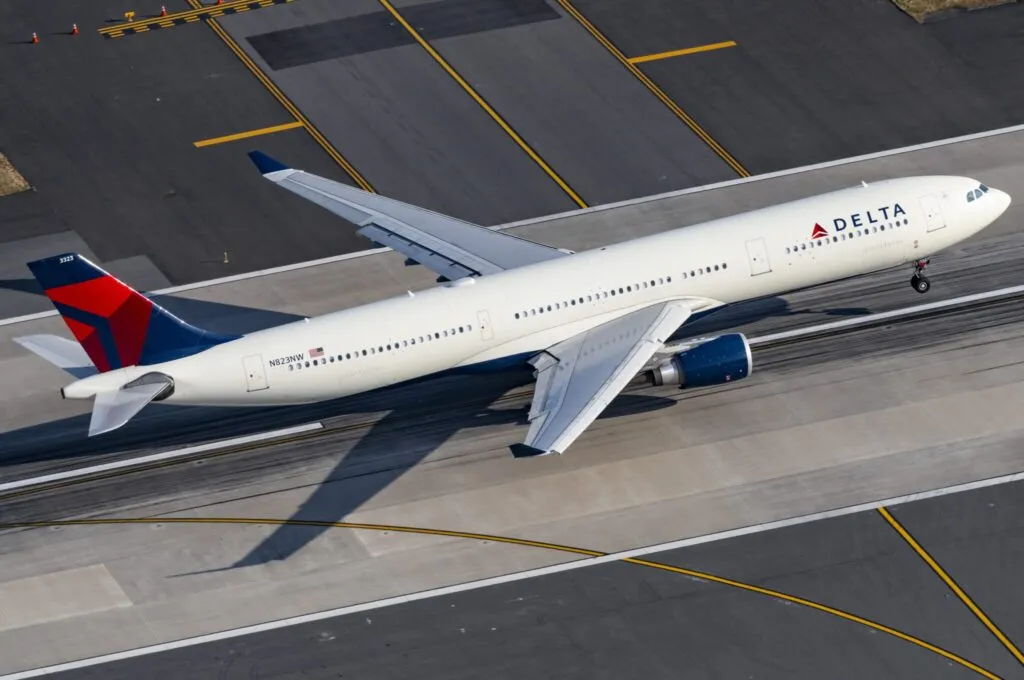
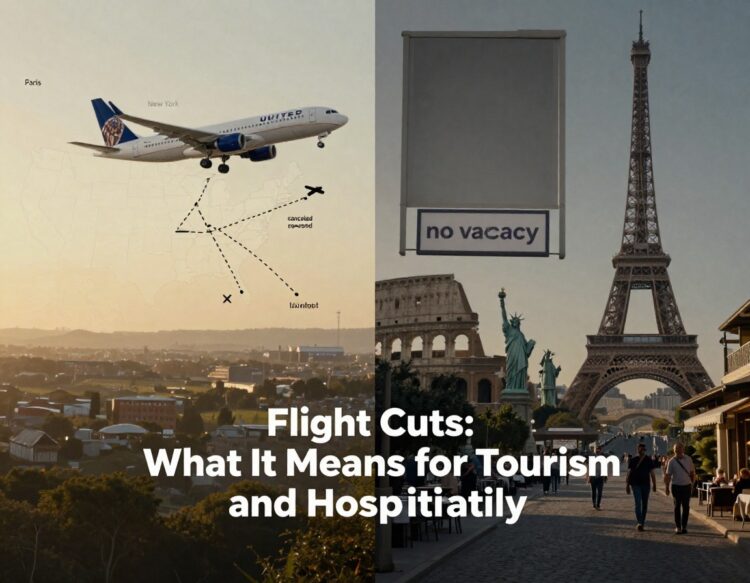
Delta, United, and American Airlines have recently announced significant reductions in their flight routes to key destinations across Europe and the U.S. This move has caused significant ripples in the travel industry, impacting tourism and the hospitality sector in France, Spain, the U.S., Italy, Germany, and the UK. The article highlights the implications of these route cuts for the travel industry, particularly focusing on the destinations affected and the potential ripple effects on tourism and hospitality businesses.
Key Points:
- Delta, United, and American Airlines have slashed their flight routes to major destinations in Europe and the U.S.
- The route cuts are expected to have a significant impact on tourism and the hospitality industry in several countries, including France, Spain, the U.S., Italy, Germany, and the UK.
- The article emphasizes the ripple effects of these route reductions on the travel industry, particularly in terms of tourism and hospitality.
Actionable Takeaways:
- Route Cuts Impact on Tourism and Hospitality: The reduction in flight routes to key destinations is likely to impact tourism and the hospitality industry in the affected countries. Businesses in these sectors may need to adapt their strategies to cope with the reduced air travel demand. This could involve focusing on alternative modes of transportation, enhancing ground transportation options, or promoting other forms of tourism that are less dependent on air travel.
- Need for Strategic Adaptation: The article suggests that businesses in the travel industry need to be proactive in adapting to the changing landscape. This could involve investing in digital marketing strategies to attract more travelers, enhancing customer service to retain existing customers, or exploring new business models that can thrive in a post-pandemic travel environment.
Contextual Insights:
The recent route cuts by major airlines like Delta, United, and American Airlines are a reflection of the ongoing challenges faced by the travel industry in the wake of the pandemic. These cuts are likely to have a significant impact on tourism and the hospitality industry in several countries, particularly in Europe and the U.S. However, this situation also presents an opportunity for businesses in these sectors to innovate and adapt. By focusing on alternative modes of transportation, enhancing ground transportation options, and exploring new business models, companies can not only survive but also thrive in the post-pandemic travel landscape. This article underscores the importance of staying abreast of industry trends and being proactive in adapting to changing market conditions.
Read the Complete Article.