Article Summary:
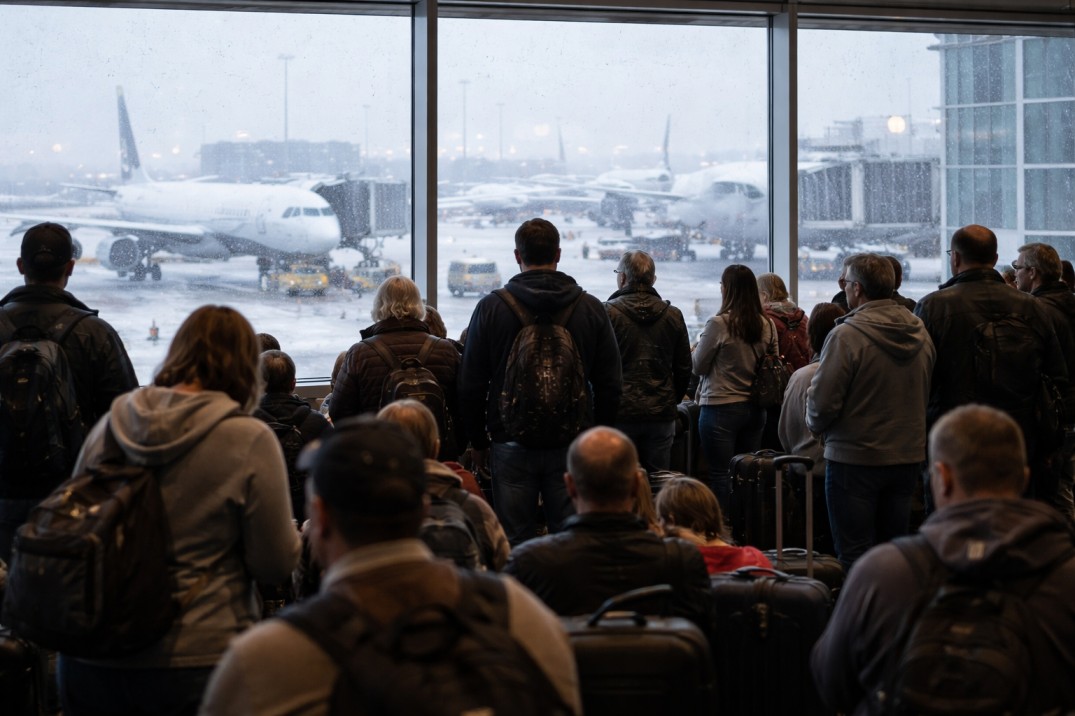
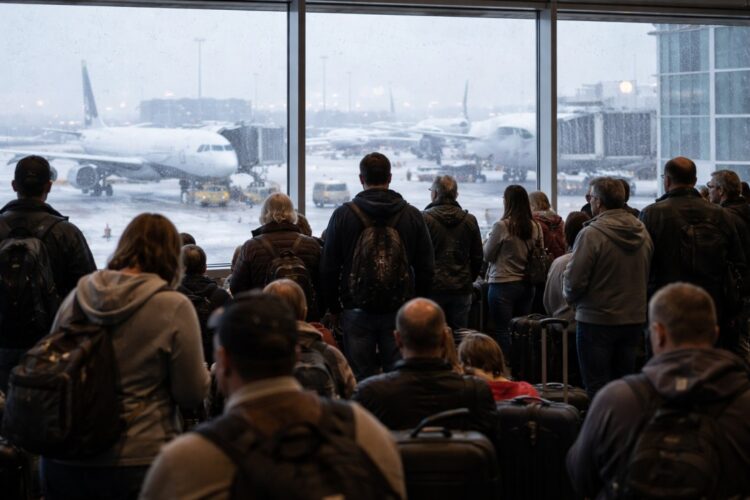
The FAA has implemented multiple ground stops at key U.S. airports, including Chicago O’Hare International Airport and Miami International Airport. This decision has caused significant flight disruptions, particularly impacting major airlines such as American Airlines and United Airlines. The ground stops are a traffic management initiative (TMI) used when air traffic control cannot safely accommodate additional aircraft, often due to severe weather, equipment outages, or catastrophic events. The FAA has noted that the current staffing levels at air traffic control facilities are strong, leading to a decision to freeze flight reductions at the current six percent level.
Key Points:
- FAA Ground Stops: The FAA has issued ground stops at Chicago O’Hare and Miami International airports, affecting numerous flights, especially those operated by American Airlines and United Airlines.
- Impact on Major Airlines: The ground stops have led to widespread disruptions for major airlines, causing delays and cancellations for passengers.
- Reason for Ground Stops: The decision to implement ground stops is based on the FAA’s assessment that current staffing levels are strong, and further reductions in flight reductions are not necessary to maintain safety.
- Operational Adjustments: The FAA has frozen flight reductions at the current six percent level, indicating a pause in further reductions until further review of staffing trends.
Actionable Takeaways:
- Monitor Airport Operations: Airlines and airports should closely monitor the status of ground stops at Chicago O’Hare and Miami International to anticipate and manage flight disruptions effectively. This includes updating passenger information and adjusting ground operations to minimize delays.
- Enhance Communication with Passengers: Airlines should proactively communicate with passengers about potential delays and cancellations due to ground stops. Providing real-time updates and alternative travel options can help mitigate passenger frustration and improve overall satisfaction.
- Review Staffing and Resource Allocation: The FAA’s decision to freeze flight reductions suggests that current staffing levels are adequate. However, airlines should continue to monitor staffing trends and consider resource allocation strategies to ensure operational resilience, especially during periods of high demand or adverse weather conditions.
- Leverage Technology for Real-Time Updates: Implementing advanced traffic flow management tools and real-time communication systems can help airlines and airports respond swiftly to ground stop changes. This includes using digital platforms to provide passengers with up-to-date information and alternative travel arrangements.
Contextual Insights:
The recent implementation of ground stops at major U.S. airports highlights the ongoing challenges faced by the aviation industry in managing air traffic during periods of high demand or adverse weather conditions. The strong staffing levels at FAA facilities indicate a positive trend in air traffic control, which is crucial for maintaining safety and operational efficiency. This context underscores the importance of leveraging technology and communication strategies to adapt to disruptions swiftly. Additionally, the decision to freeze flight reductions reflects a cautious approach by the FAA, prioritizing safety while allowing time to assess staffing trends further. For the travel industry, this situation emphasizes the need for robust contingency planning and real-time communication to manage passenger expectations and maintain service reliability.
Read the Complete Article.