



















Travel Capitalist Ventures Expands Check Size to $10 Million to Deepen Emerging Market Conviction
Boutique Travel VC raises investment cap from $1.5M to $10M to lead rounds and support portfolio companies through growth Travel...
Read moreDetails
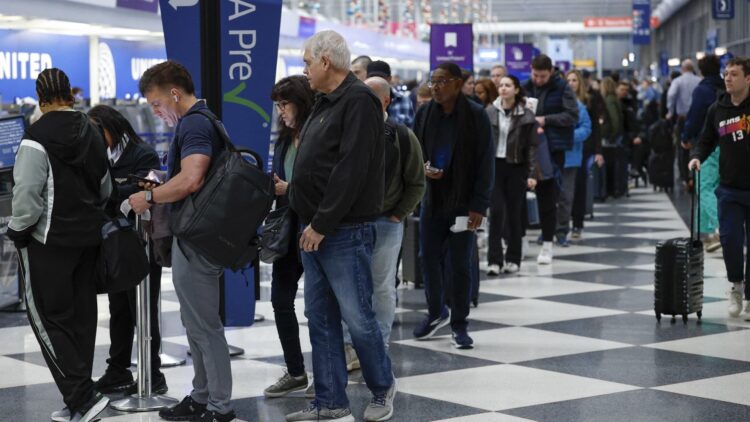
U.S. flight cancellations begin after FAA shutdown order
Article Summary:
The article reports that U.S. airlines have begun canceling hundreds of flights following the Federal Aviation Administration’s (FAA) order to reduce flight capacity amid the longest government shutdown in U.S. history. This action comes as air traffic controllers have missed their paychecks due to the shutdown, leading to staffing shortages and disruptions at several major U.S. airports. The situation is causing significant inconvenience for travelers and raising concerns among airline executives.
Key Points:
Actionable Takeaways:
Contextual Insights:
The government shutdown and its impact on air traffic controllers highlight the critical role of government support in maintaining the smooth functioning of the aviation industry. The prolonged shutdown underscores the vulnerabilities in the U.S. travel infrastructure and the need for robust contingency plans. Looking forward, the travel industry must continue to innovate and adapt to such disruptions, leveraging technology and strategic planning to minimize the impact on both airlines and passengers. The current situation also emphasizes the importance of public-private partnerships to ensure the resilience of critical infrastructure sectors like aviation.
Read the Complete Article.
Boutique Travel VC raises investment cap from $1.5M to $10M to lead rounds and support portfolio companies through growth Travel...
Read moreDetails



Comprehensive Summarization: The article from the Nepal Police's Central Investigation Bureau (CIB) reveals one of the largest insurance frauds in...
Read moreDetails
