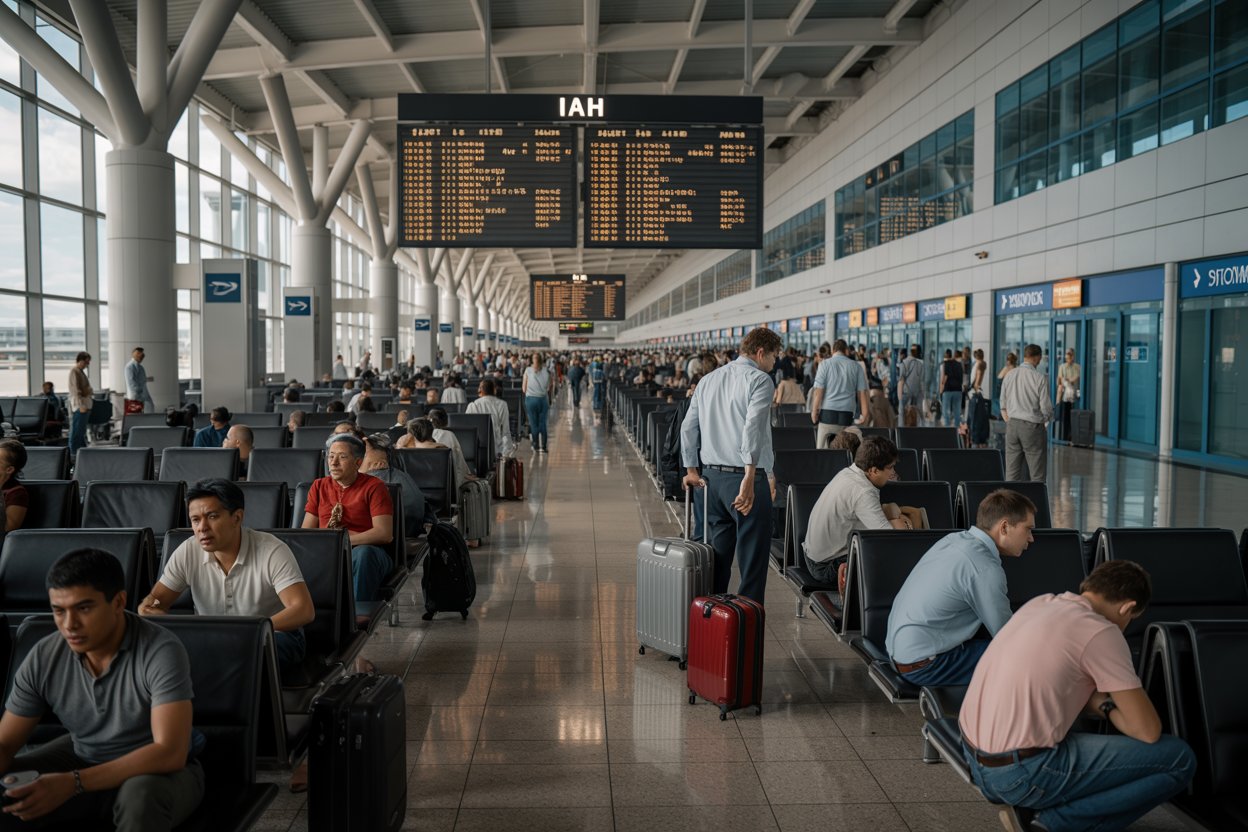
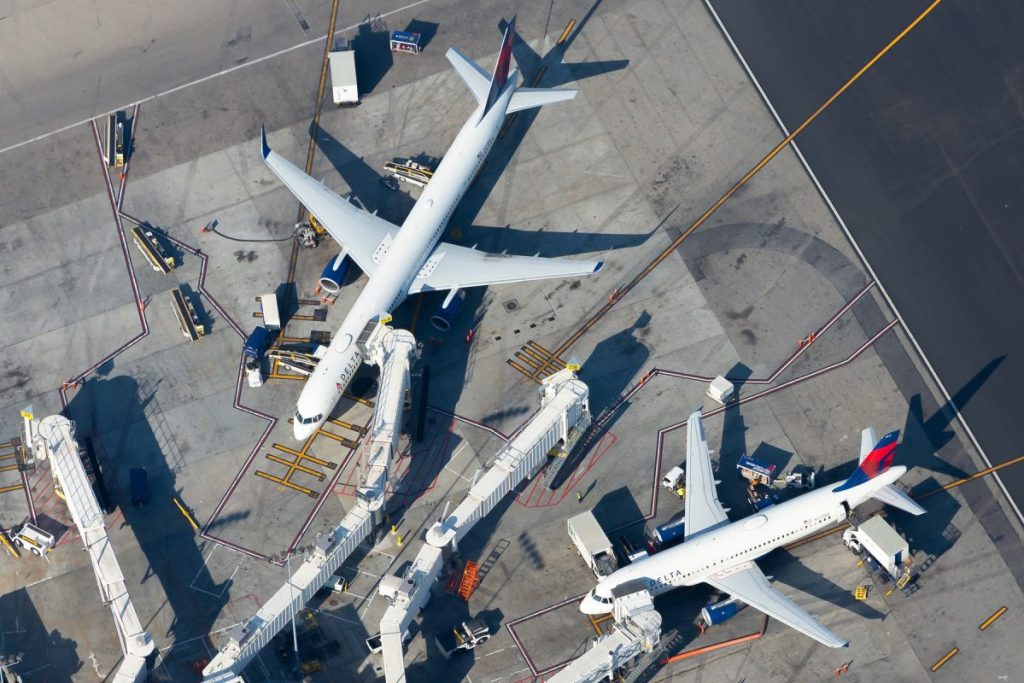
The article reports a significant disruption at Miami International Airport (MIA) on March 9, 2026, where 16 flights were canceled and 217 flights were delayed. This disruption affected major airlines including American Airlines, Delta, United, and others, impacting destinations such as New York, Chicago, Atlanta, Dallas, and more. The incident highlights the vulnerability of major airports to operational challenges, affecting thousands of passengers and disrupting travel plans across the United States.
Key Points:
Airport Disruption: Miami International Airport experienced a major disruption with 16 flight cancellations and 217 flight delays on March 9, 2026.
Affected Airlines: Major airlines such as American Airlines, Delta, United, and others were impacted, affecting routes to destinations including New York, Chicago, Atlanta, Dallas, and more.
Impact on Travelers: The disruption stranded hundreds of passengers and caused significant inconvenience, affecting travel plans across the United States.
Operational Challenges: The incident underscores the challenges faced by major airports in managing operational issues, which can have widespread effects on air travel.
Actionable Takeaways:
Enhanced Operational Resilience: Airports should invest in advanced operational management systems to mitigate the impact of flight cancellations and delays. This includes real-time monitoring and predictive analytics to anticipate and respond to disruptions more effectively.
Improved Passenger Communication: Airlines and airports should enhance communication strategies to keep passengers informed about delays and cancellations. Real-time updates via mobile apps, SMS, and social media can help manage passenger expectations and reduce frustration.
Focus on Passenger Experience: The incident highlights the need for airlines and airports to prioritize passenger experience during disruptions. Offering amenities such as free Wi-Fi, refreshments, and comfortable waiting areas can help mitigate the impact on travelers.
Contextual Insights:
The disruption at Miami International Airport underscores the broader challenges faced by major airports in maintaining operational efficiency, especially during peak travel periods. The incident is a reminder of the critical role that airports play in the global travel ecosystem and the need for continuous improvement in operational resilience. From a technological perspective, the use of AI and machine learning for predictive analytics could help airports anticipate and mitigate disruptions before they occur. Additionally, the incident highlights the importance of effective communication strategies to manage passenger expectations and minimize the impact on travelers. As the travel industry continues to evolve, focusing on these areas will be crucial for maintaining passenger satisfaction and operational efficiency.