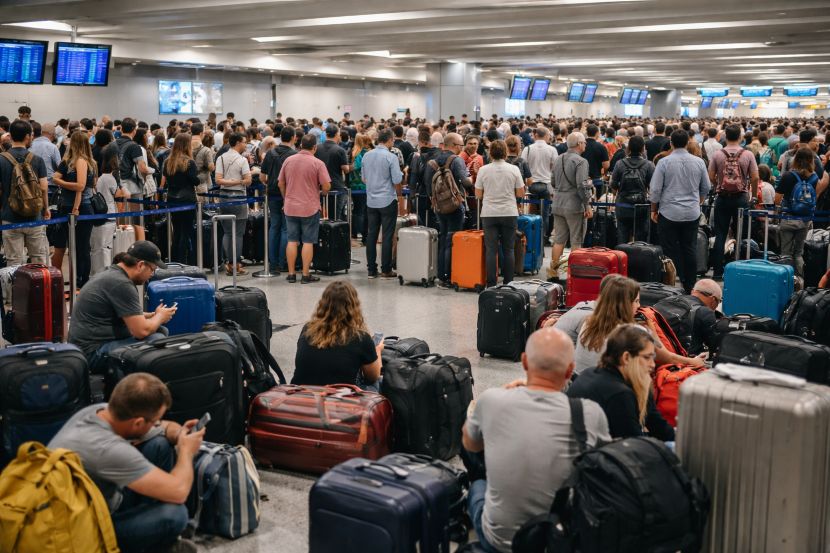
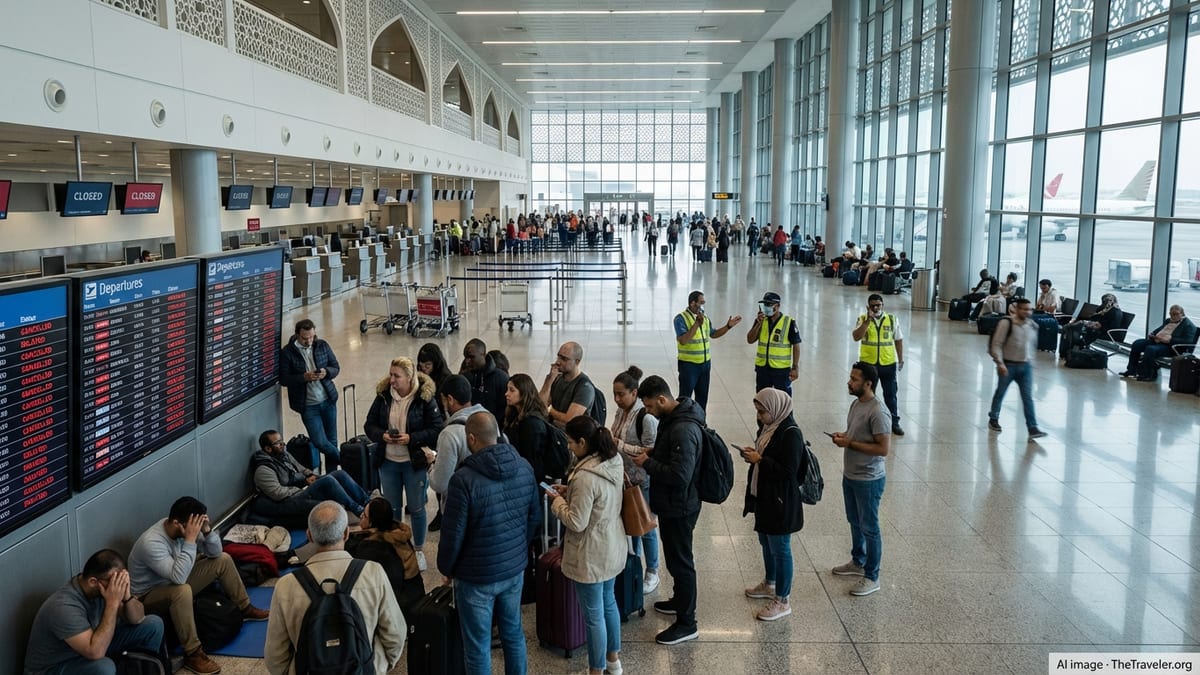
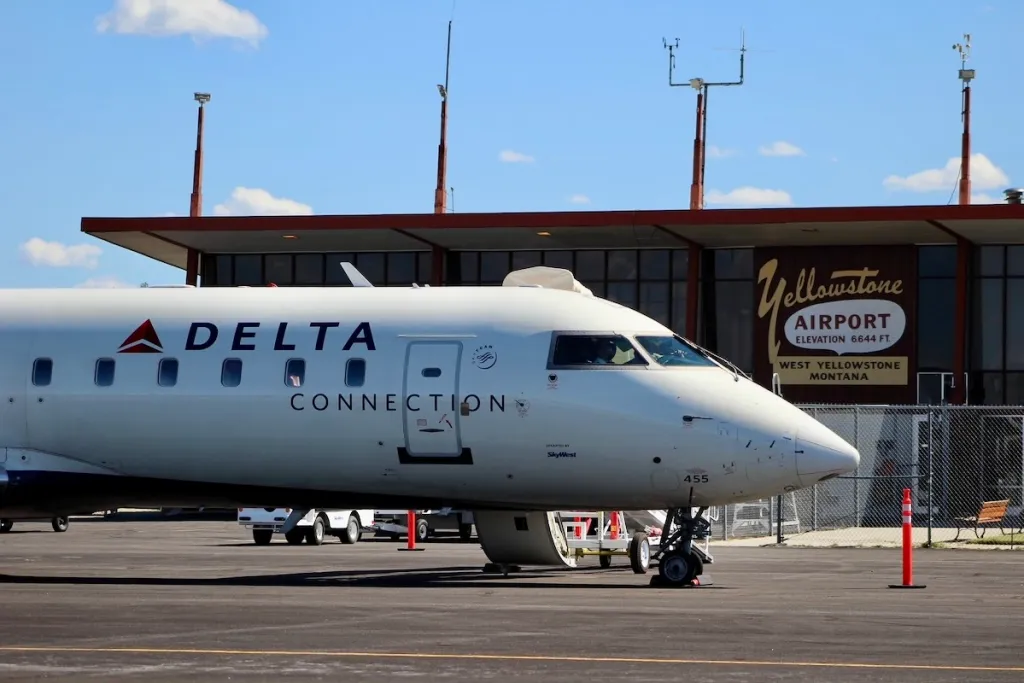
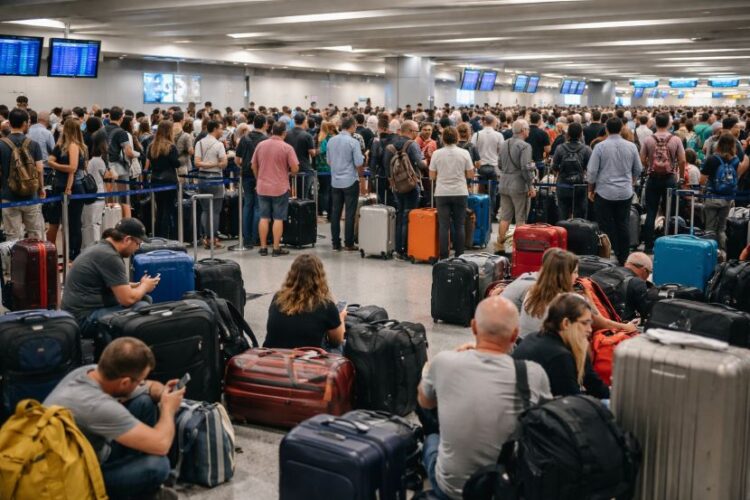
The article reports on significant disruptions at Miami International Airport (MIA) on February 22, 2026, due to American Airlines, Delta, and other airlines canceling 67 flights and delaying 222. This disruption impacts major US cities including New York, Chicago, Los Angeles, and Mexico. MIA, one of the busiest airports in the United States, is experiencing substantial operational challenges, highlighting the vulnerabilities in the current travel infrastructure and the ripple effects on interconnected cities.
Key Points:
Flight Cancellations and Delays:American Airlines, Delta, and other airlines canceled 67 flights and delayed 222, causing significant disruptions at MIA.
Impact on Major Cities: The disruptions affect major US cities such as New York, Chicago, Los Angeles, and Mexico, illustrating the widespread impact of the cancellations and delays.
Airport Significance: MIA is highlighted as one of the busiest airports in the United States, underscoring the severity of the situation and its implications for the broader travel industry.
Actionable Takeaways:
Enhanced Operational Resilience: Airlines and airports must invest in more robust operational resilience strategies to mitigate the impact of flight cancellations and delays. This includes improving communication systems, backup staffing, and contingency plans to handle unexpected disruptions effectively.
Focus on Customer Communication: Airlines should prioritize clear and timely communication with passengers affected by cancellations and delays. Providing real-time updates and alternative travel options can help manage passenger expectations and reduce frustration.
Invest in Technology: The article underscores the need for advanced technology solutions in travel management. Implementing sophisticated flight tracking systems, AI-driven customer service tools, and integrated booking platforms can enhance operational efficiency and improve the passenger experience.
Contextual Insights:
The disruptions at MIA reflect broader challenges within the travel industry, particularly in managing large-scale operational disruptions. The article aligns with current industry trends emphasizing the importance of technological innovation and operational agility. As the travel sector continues to evolve, thought leaders predict a shift towards more resilient and customer-centric travel solutions. Startups focusing on travel tech, fintech, and other related sectors are likely to see increased investment and innovation, driven by the need to address these operational challenges and enhance the overall travel experience.