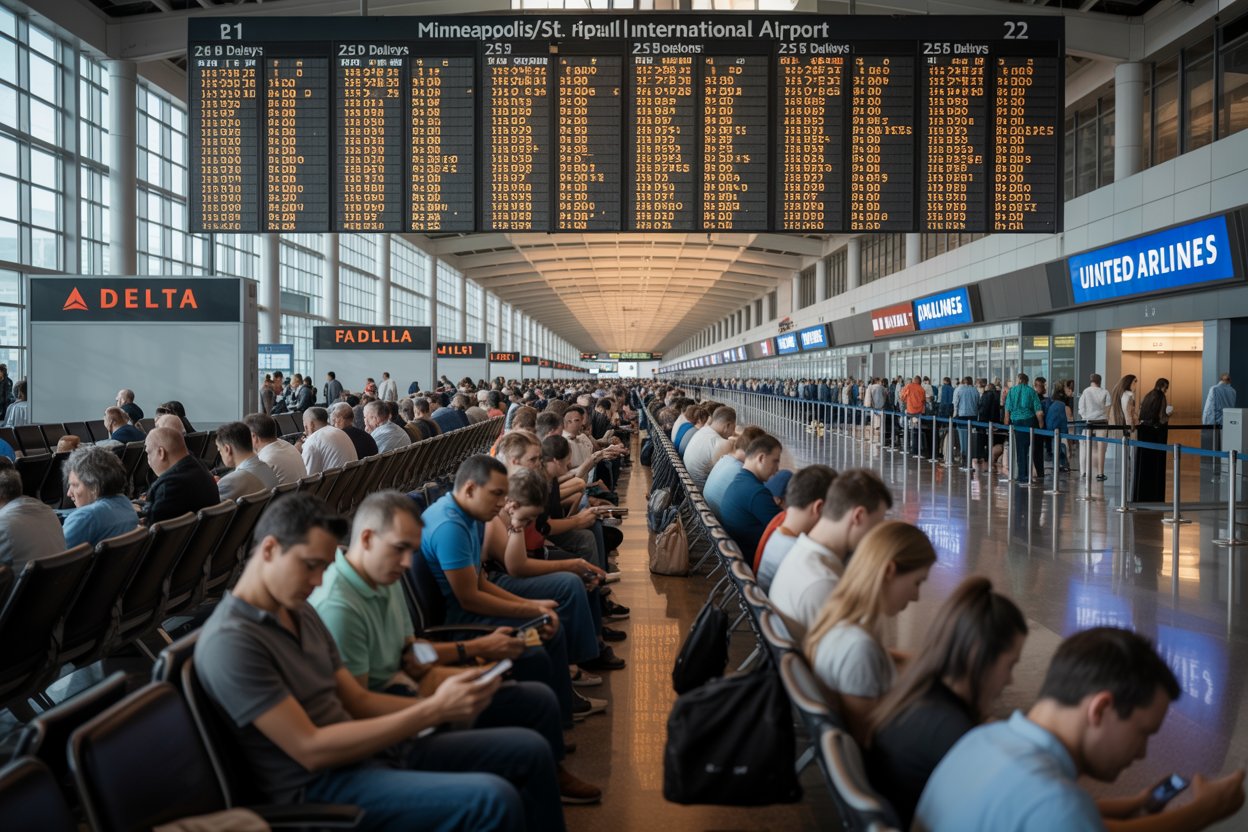
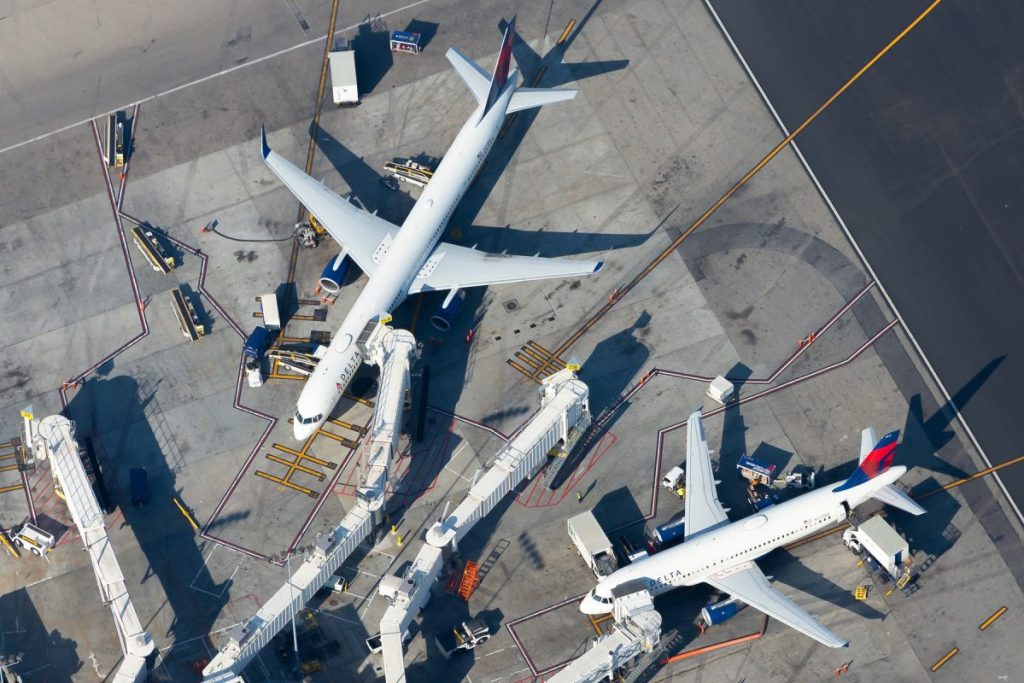
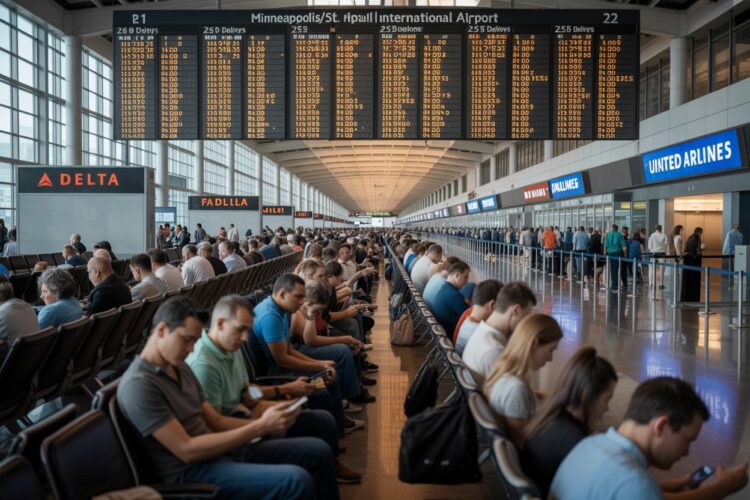
The article reports on significant disruptions at Minneapolis/St. Paul International Airport (MSP) on February 19, 2026, due to 261 flight delays and 25 cancellations. This disruption affected major airlines including Delta, American Airlines, and United, impacting travelers across multiple U.S. cities such as Minneapolis, Chicago, New York, Dallas, and Denver. The disruptions were detailed in a news piece published on the Travel and Tour World website, highlighting the challenges faced by one of the busiest transportation hubs in the United States. The article underscores the impact on travelers and the operational challenges faced by airlines operating at MSP.
Key Points:
Airport Disruptions: Minneapolis/St. Paul International Airport experienced 261 flight delays and 25 cancellations on February 19, 2026, affecting major airlines like Delta, American Airlines, and United.
Geographical Impact: The disruptions were widespread, affecting travelers across several major U.S. cities including Minneapolis, Chicago, New York, Dallas, and Denver.
Publication Date: The article was published on February 19, 2026, indicating recent developments in airport operations and airline scheduling.
Actionable Takeaways:
Operational Preparedness: Airlines and airports should enhance operational preparedness for unexpected delays and cancellations. This includes developing contingency plans for rapid rebooking and communication strategies to minimize traveler inconvenience.
Enhanced Communication: Airlines should improve real-time communication with passengers regarding delays and cancellations. This can be achieved through automated notifications via mobile apps or email, ensuring travelers are promptly informed and can adjust their travel plans accordingly.
Investment in Technology: The article highlights the need for technological advancements in managing flight operations. Investing in advanced flight tracking systems and AI-driven scheduling tools can help airlines better predict and mitigate disruptions, improving overall efficiency and customer satisfaction.
Contextual Insights:
The disruptions at MSP reflect broader challenges faced by the U.S. airline industry, particularly in managing large volumes of daily flights and ensuring seamless operations across multiple hubs. The article aligns with current industry trends emphasizing the importance of technological innovation and operational resilience. As the travel industry continues to evolve, the integration of AI and real-time data analytics will be crucial in enhancing operational efficiency and customer experience. Startups focusing on travel tech solutions, such as advanced scheduling algorithms and automated communication platforms, are likely to gain traction as airlines seek to improve their service reliability and customer satisfaction. This disruption serves as a reminder of the critical role that technology plays in navigating the complexities of modern air travel.
Comprehensive Summarization: The article reports a ground handling incident involving a FlySafair Boeing 737-800 at Cape Town International Airport, which...