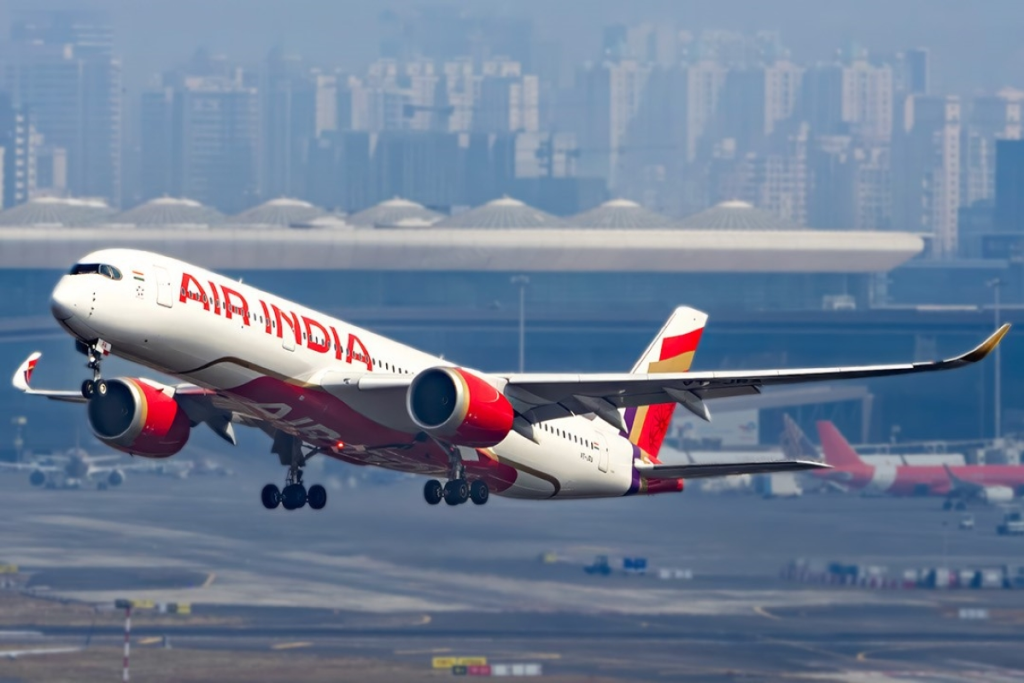
JetBlue, American Airlines, and Delta Airlines are currently facing significant turbulence after the Federal Aviation Administration (FAA) briefly grounded all JetBlue flights on March 10, 2026. This unprecedented move sent shockwaves through the U.S. travel industry, highlighting the vulnerabilities in airline operations and the potential ripple effects on the broader tourism and hospitality sectors. The grounding underscores the critical importance of robust contingency plans and the need for airlines to navigate regulatory challenges swiftly and effectively to minimize disruptions.
Key Points:
FAA Grounding of JetBlue Flights: The Federal Aviation Administration (FAA) briefly grounded all JetBlue flights on March 10, 2026, impacting a large number of passengers and operations.
Impact on U.S. Travel Industry: This grounding has sent significant turbulence through the U.S. travel industry, affecting not only JetBlue but also its competitors, American Airlines, and Delta Airlines, which are among the largest and most influential carriers in the country.
Regulatory and Operational Challenges: The incident highlights the regulatory and operational challenges faced by airlines, emphasizing the need for robust contingency plans and effective communication strategies during unexpected events.
Broader Industry Implications: The grounding underscores the interconnectedness of the travel industry, where disruptions in one segment can have widespread effects on tourism and hospitality.
Actionable Takeaways:
Enhance Contingency Plans: Airlines should enhance their contingency plans to swiftly respond to unexpected regulatory actions, ensuring minimal disruption to operations and passenger safety. This includes having clear communication protocols and alternative routing options ready.
Strengthen Regulatory Compliance: Companies should focus on strengthening their regulatory compliance frameworks to navigate future FAA decisions more effectively. This involves regular audits and updates to ensure adherence to the latest aviation regulations.
Invest in Technology for Resilience: Leveraging advanced technologies such as AI and real-time data analytics can help airlines anticipate and mitigate the impacts of regulatory changes or operational disruptions. This includes developing systems for real-time monitoring of flight statuses and passenger communications.
Contextual Insights:
The grounding of JetBlue flights by the FAA on March 10, 2026, is a stark reminder of the dynamic and often unpredictable nature of the travel industry. Recent trends indicate a growing emphasis on regulatory compliance and operational resilience among airlines. Thought leaders in the travel sector emphasize the importance of agile responses to regulatory challenges and the need for continuous investment in technology to enhance operational efficiency and passenger safety. This incident serves as a catalyst for the travel industry to reassess its strategies, focusing on innovation and preparedness to navigate future uncertainties. The potential impact on travel startups and fintech innovations is significant, as companies may need to develop more robust financial models and technological solutions to support airlines in managing such disruptions effectively.