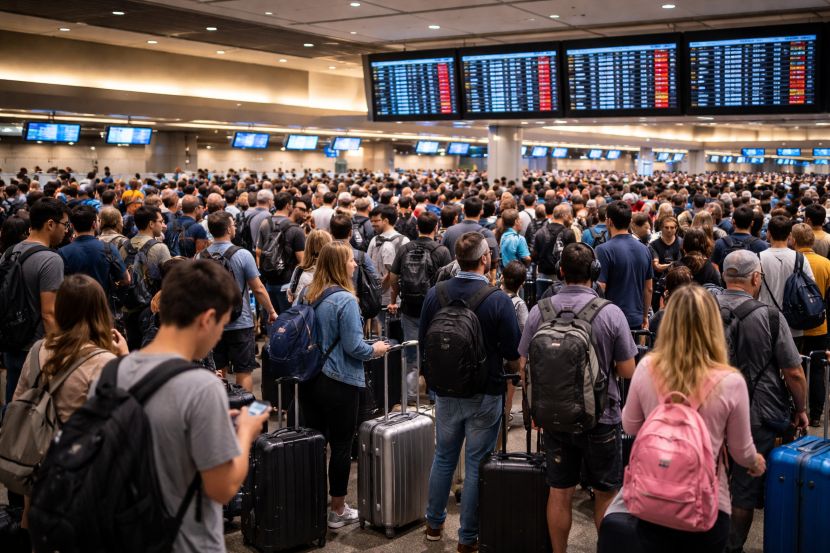
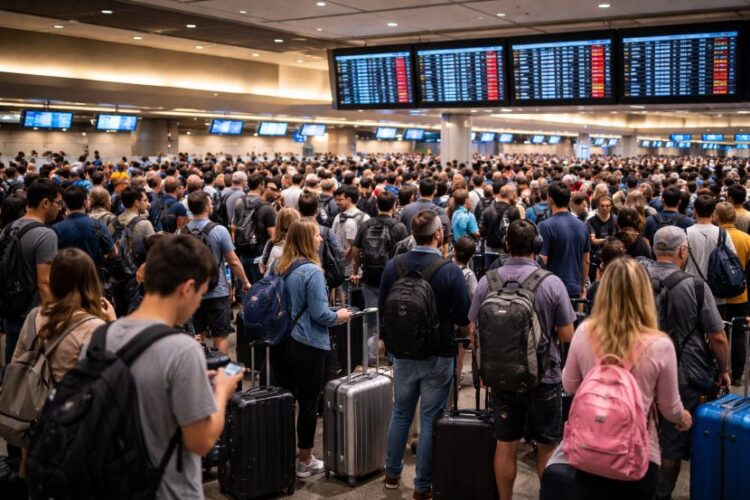
The article reports significant disruptions at Los Angeles International Airport (LAX) on March 16, 2026, due to delays and cancellations affecting major domestic carriers such as Delta, American Airlines, United, and Southwest. The disruptions include 282 delays and 42 cancellations, impacting travelers in key US cities including New York, Chicago, and Miami. The article highlights the extensive impact on travel plans and operations, emphasizing the challenges faced by both passengers and airlines in navigating these disruptions.
Key Points:
LAX experienced 282 delays and 42 cancellations on March 16, 2026, due to operational issues with major domestic carriers.
The disruptions affected travelers in major US cities, including New York, Chicago, and Miami.
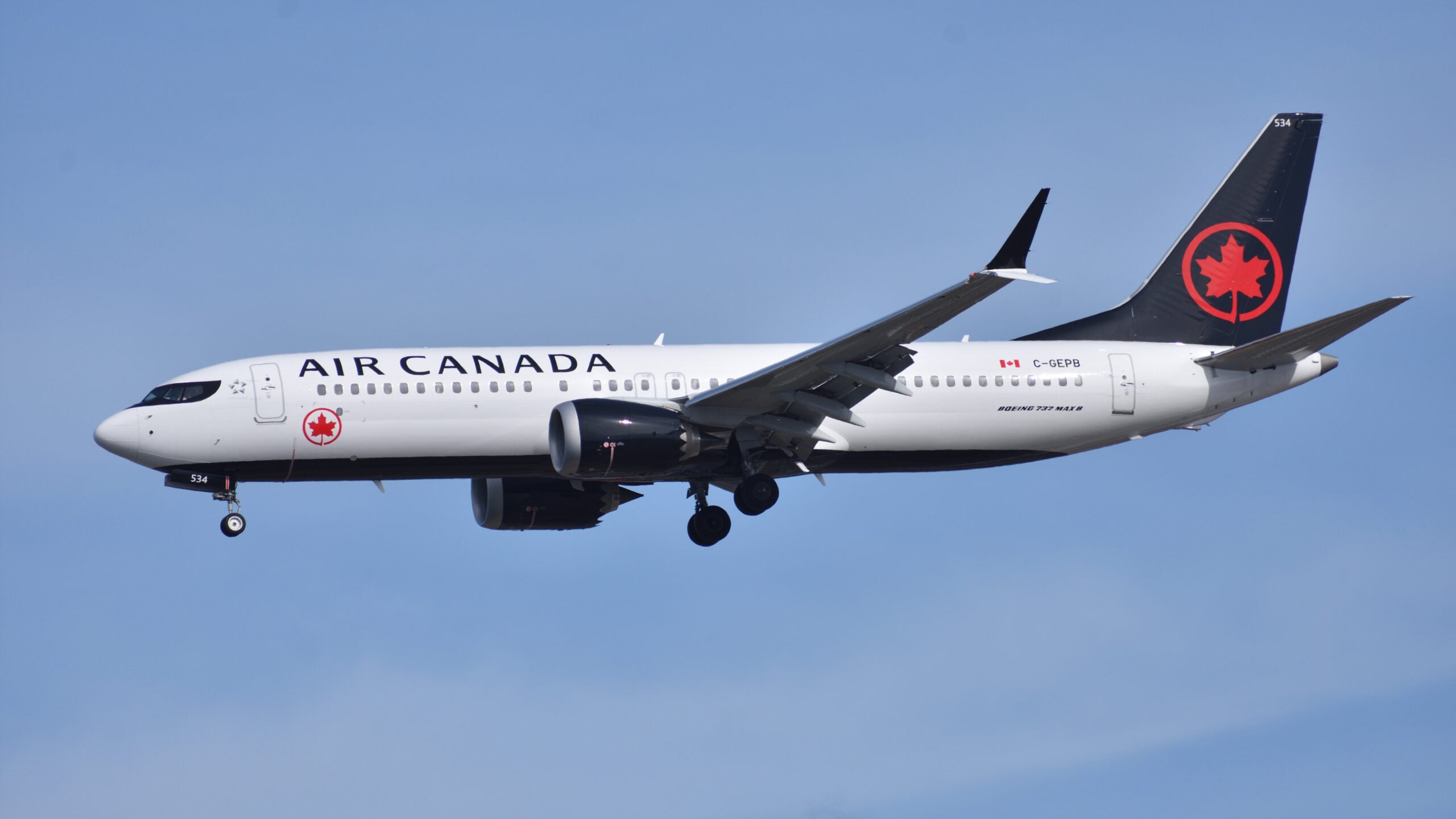
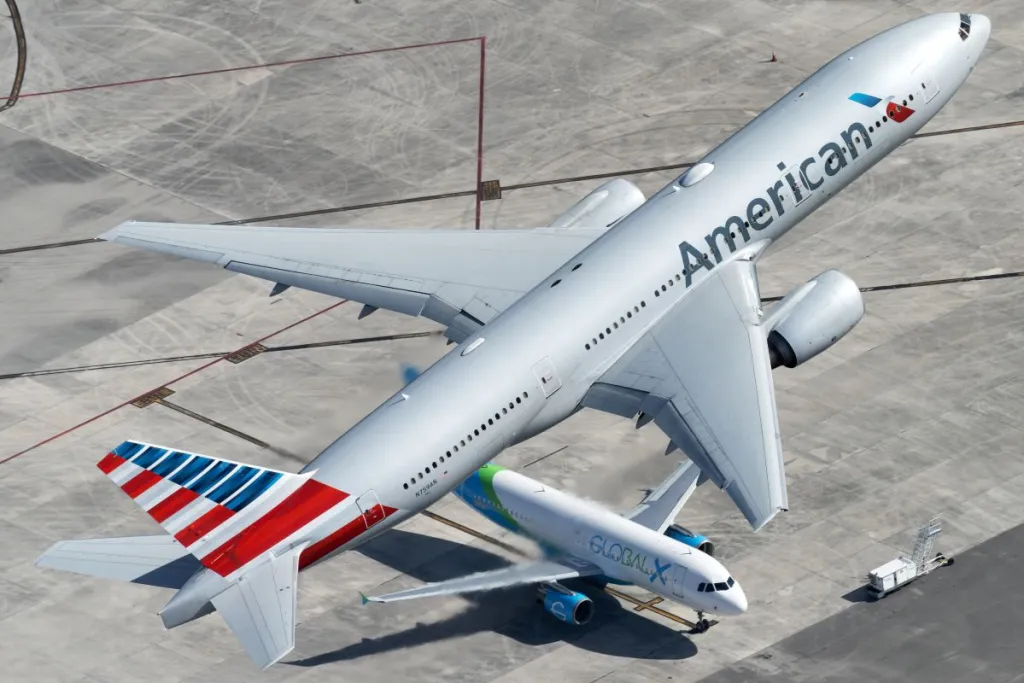
The affected airlines include Delta, American Airlines, United, and Southwest, indicating a widespread impact across the domestic travel sector.
Actionable Takeaways:
Enhanced Communication Strategies: Airlines should improve real-time communication with passengers regarding flight status updates to mitigate passenger frustration and improve overall customer satisfaction during disruptions.
Increased Operational Resilience: The incident underscores the need for airlines to invest in more robust operational resilience strategies, including contingency planning and flexible scheduling, to better handle unexpected disruptions in the future.
Focus on Passenger Experience: Travel companies should prioritize enhancing the passenger experience during disruptions, offering amenities and support services to alleviate stress and maintain customer loyalty.
Contextual Insights:
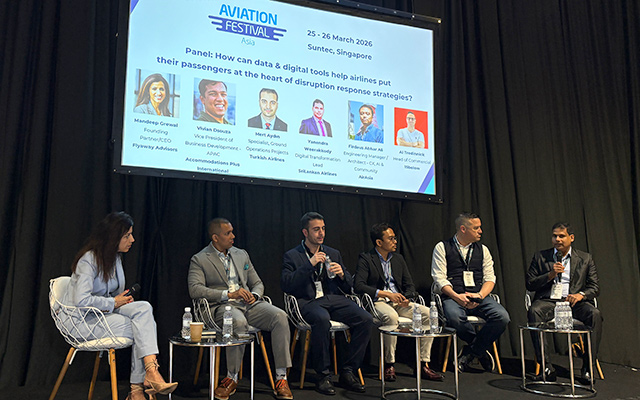
The disruptions at LAX reflect broader challenges within the travel industry, particularly in managing operational complexities and maintaining service quality during unforeseen events. This situation highlights the importance of technological advancements in travel tech, such as real-time tracking systems and AI-driven predictive analytics, which can help airlines anticipate and mitigate disruptions more effectively. Furthermore, the incident underscores the growing importance of passenger-centric strategies in travel, as highlighted by thought leaders in the industry, who emphasize the need for seamless and stress-free travel experiences. The article also aligns with current trends in travel tech, where startups are increasingly focusing on solutions that enhance operational efficiency and passenger satisfaction, such as integrated booking platforms and dynamic pricing models.
Comprehensive Summarization: ITA, a leading travel technology company, has joined forces with Wizz Air, Transavia, Volotea, Turkish Airlines, and EasyJet...