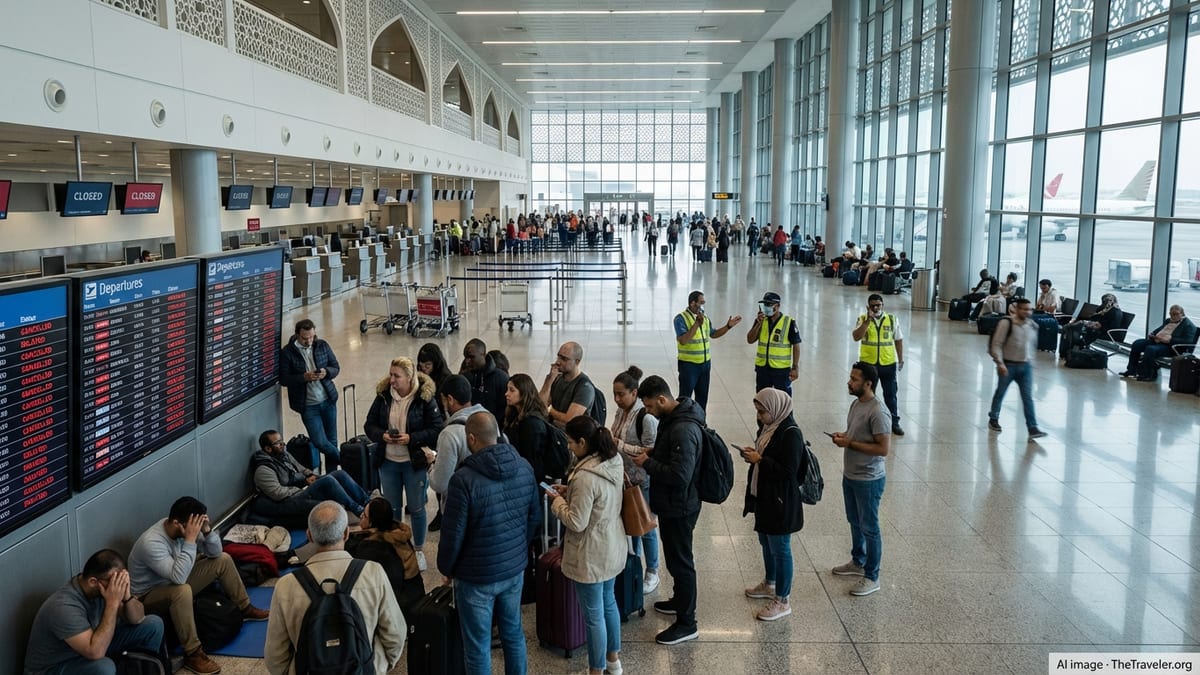
The article reports on the significant impact of cartel violence in Puerto Vallarta and Guadalajara, Mexico, on the travel industry. Major airlines such as Air Canada, United, Aeromexico, and American Airlines have suspended and subsequently resumed flights to these regions, causing considerable disruption. This situation has left the tourism industry in a state of uncertainty, particularly in Western Mexico, where the shockwaves of the violence are being felt. The article highlights the vulnerability of the travel sector to such security threats and the subsequent economic repercussions.
Key Points:
Cartel Violence Impact: The article emphasizes the severe disruption caused by cartel violence in Puerto Vallarta and Guadalajara, leading to flight suspensions and resumptions by major airlines.
Tourism Industry Uncertainty: The tourism industry in Western Mexico is on edge due to the security situation, indicating a potential downturn in tourist arrivals.
Professional Audience: The content is targeted at a professional audience of travel industry readers, focusing on the implications for stakeholders.
Actionable Takeaways:
Flight Resumption Monitoring: Airlines should closely monitor the situation in Puerto Vallarta and Guadalajara to determine when it is safe to resume full flight operations. This will help in stabilizing the tourism flow and mitigating economic losses.
Risk Assessment and Insurance: Travel companies should enhance their risk assessment protocols and consider travel insurance options that cover political unrest and security threats. This proactive measure can protect against financial losses due to flight cancellations or reduced tourist arrivals.
Invest in Security Measures: The travel industry should invest in advanced security measures and partnerships with local law enforcement to ensure the safety of tourists and staff. This could include enhanced security protocols at airports and tourist hotspots.
Diversify Travel Offerings: To mitigate the impact of regional security threats, travel companies should explore diversifying their offerings to include destinations with lower security risks. This strategy can help maintain a steady flow of tourists and reduce dependency on any single region.
Contextual Insights:
The article reflects the ongoing challenges faced by the travel industry in regions affected by cartel violence. Recent trends indicate a heightened focus on security in travel planning, with both consumers and businesses becoming more cautious. The suspension and resumption of flights underscore the volatility of the travel market in regions with high security risks. Experts suggest that the industry must adapt quickly to such disruptions, leveraging technology and strategic partnerships to ensure safety and continuity. The situation highlights the need for travel companies to stay informed about geopolitical developments and to be agile in their response to security threats. This context is crucial for understanding the broader implications for travel startups and fintech innovations aimed at enhancing safety and operational efficiency in the travel sector.