







No products in the cart.
- Latest
- Trending

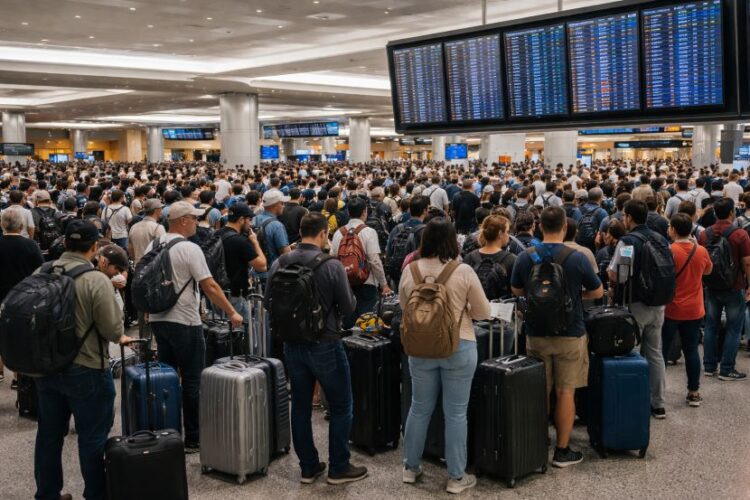
Travel Chaos Strikes Miami International Airport as Delta, American Airlines, Spirit and More Face 7...
Comprehensive Summarization:
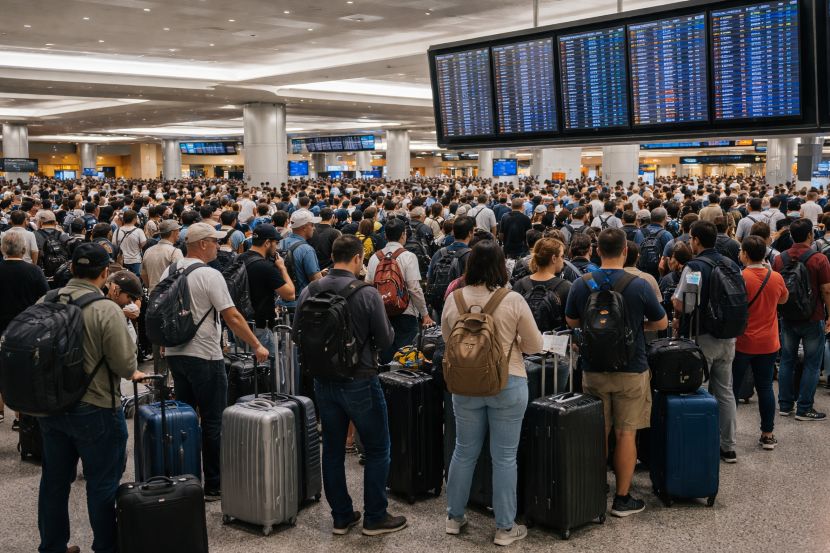
Miami International Airport (MIA) is currently facing significant operational disruptions, resulting in a high number of flight delays and cancellations across various routes, including New York, Los Angeles, Bogotá, London, and other major US cities. The disruptions involve multiple airlines, including Delta, American Airlines, and Spirit Airlines, with a total of 77 delays and 8 cancellations reported. This operational chaos has left hundreds of travelers stranded, searching for alternative transportation options. The article highlights the challenges faced by the airport and the broader travel industry, emphasizing the need for effective solutions to manage such disruptions and minimize their impact on travelers.
Key Points:
Actionable Takeaways:
Implement Enhanced Real-Time Tracking Systems: To minimize the impact of flight disruptions, airports and airlines should invest in advanced real-time tracking systems that provide travelers with immediate updates on flight statuses. This can help travelers make informed decisions about alternative transportation options, reducing the stress and inconvenience caused by delays and cancellations.
Enhance Communication Protocols: Airlines and airports should improve their communication protocols to keep travelers informed about delays and cancellations. Proactive and transparent communication can help manage traveler expectations and reduce the number of stranded passengers. This includes providing clear instructions on how to rebook flights or seek alternative transportation.
Invest in Flexible Travel Solutions: Travelers should be encouraged to opt for flexible travel solutions, such as refundable or changeable tickets, to mitigate the impact of unexpected disruptions. Airlines and airports can offer incentives for booking flexible tickets, making it more appealing for travelers to choose these options during uncertain times.
Contextual Insights:
The disruptions at Miami International Airport highlight the vulnerabilities within the current travel infrastructure, particularly in managing large-scale operational issues. This situation is reflective of broader trends in the travel industry, where technological advancements and operational efficiencies are crucial for maintaining smooth operations. The article underscores the importance of integrating innovative travel tech solutions to enhance operational resilience. Furthermore, the challenges faced by MIA underscore the need for continuous improvement in communication strategies within the travel sector. As the industry evolves, thought leaders emphasize the importance of leveraging data analytics and AI to predict and mitigate potential disruptions, ensuring a more seamless travel experience for passengers.
Read the Complete Article.
Get curated travel AI insights — choose the newsletters that matter to you.
This spot is reserved for brands with a compelling story for the travel trade. They use this space to cut...
Read moreDetailsALTOUR Expands into Thailand, Strengthening Corporate Travel Network Across Southeast Asia BANGKOK, THAILAND (25 March, 2026) – ALTOUR, a leading...
Read moreDetails


Comprehensive Summarization: The article discusses the significant disruption caused by escalating events in the Middle East to the global fuel...
Read moreDetails