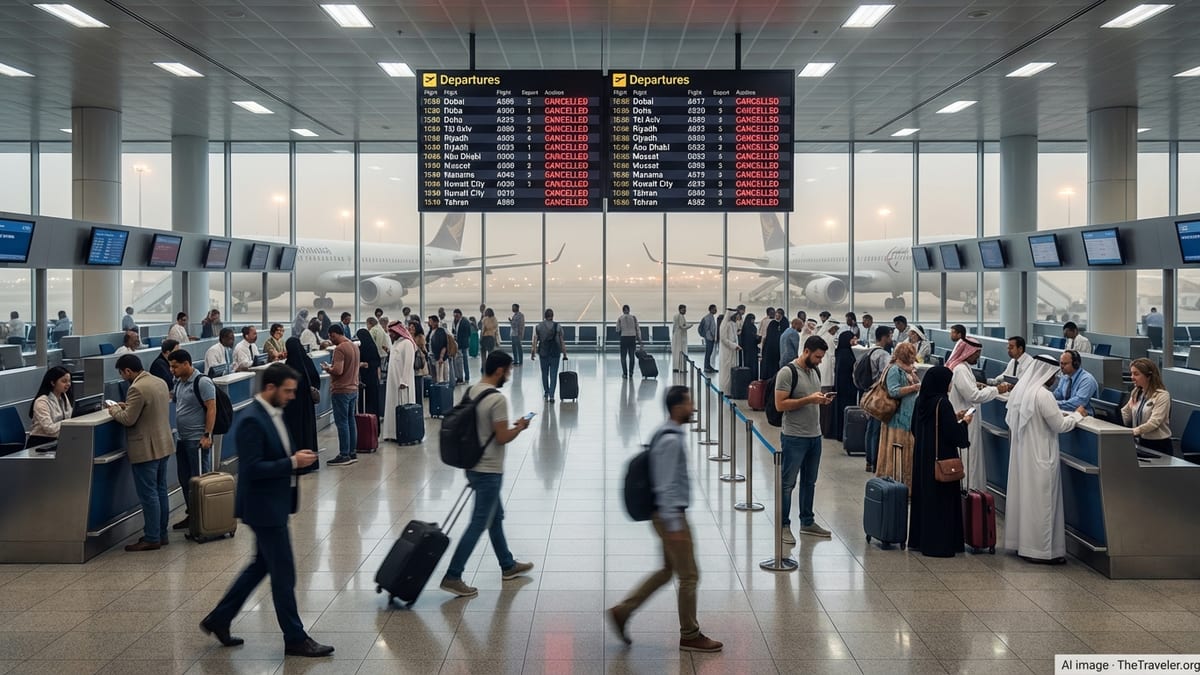
Miami International Airport is currently facing significant disruptions, with 265 flights delayed and nine canceled. This disruption affects airlines such as American Airlines, United, Frontier, and others, impacting schedules to key destinations including New York, Chicago, London, Dallas, and Los Angeles. The article highlights the ripple effect of these delays across major domestic and international routes, underscoring the challenges faced by travelers and the airline industry in managing such disruptions.
Key Points:
Miami International Airport is experiencing major flight disruptions, with 265 flights delayed and nine canceled.
The disruptions affect multiple airlines, including American Airlines, United, Frontier, and others.
The delays are impacting schedules to major destinations such as New York, Chicago, London, Dallas, and Los Angeles.
The article emphasizes the ripple effect of these disruptions across major domestic and international routes.
Actionable Takeaways:
Proactive Communication: Airlines and airports should enhance their communication strategies to promptly inform passengers about delays and cancellations. This proactive approach can help manage passenger expectations and reduce the overall impact of disruptions.
Invest in Technology: The article highlights the ripple effect of flight disruptions across major routes, suggesting that investing in advanced travel tech solutions could help airlines and airports better manage and mitigate such disruptions in real-time.
Focus on Customer Experience: Given the significant impact on travelers, airlines and airports should prioritize improving the customer experience during disruptions. This could include offering enhanced support services, flexible rebooking options, and clear communication channels to mitigate passenger frustration.
Contextual Insights:
The disruptions at Miami International Airport highlight the ongoing challenges faced by the travel industry in managing large-scale flight delays and cancellations. This situation is reflective of broader trends in the industry, where technological advancements and operational efficiencies play a crucial role in maintaining smooth operations. The emphasis on proactive communication and customer experience aligns with current industry trends, where passenger satisfaction and operational resilience are key differentiators. As the travel industry continues to evolve, integrating innovative technologies and focusing on customer-centric solutions will be essential for navigating future disruptions effectively.
Comprehensive Summarization: Miami International Airport is currently facing significant disruptions, with 265 flights delayed and nine canceled. This disruption affects...