Comprehensive Summarization:
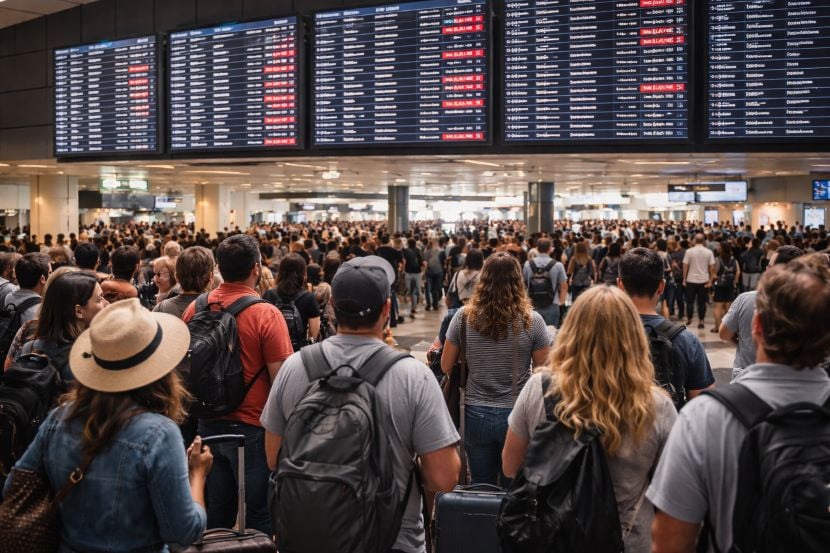
Nashville International Airport (BNA) experienced 111 flight delays and 11 cancellations on March 15, 2026, affecting travelers from major U.S. cities including Atlanta, Chicago, and New York. The disruptions impacted airlines such as Delta Air Lines, Southwest, and American Airlines. The article, published on Travel and Tour World, highlights the operational challenges faced by the airport and the ripple effects on travelers and the broader travel industry.
Key Points:
- Nashville International Airport faced 111 flight delays and 11 cancellations on March 15, 2026.
- The disruptions affected airlines including Delta Air Lines, Southwest, and American Airlines.
- Travelers from Atlanta, Chicago, New York, and other major U.S. cities were impacted.
- The article was published on Travel and Tour World on March 15, 2026.
Actionable Takeaways:
-
Enhanced Communication Strategies: Airlines and airports should improve communication with travelers during disruptions. Nashville International Airport’s experience underscores the importance of real-time updates and proactive notifications to manage passenger expectations and minimize frustration.
-
Focus on Resilience in Airport Operations: The incident highlights the need for airports to invest in robust operational resilience strategies. This includes contingency planning, flexible staffing, and technological solutions to mitigate the impact of unexpected delays and cancellations.
-
Traveler Experience Improvement: There is an opportunity for airlines and airports to invest in traveler experience enhancements, such as improved customer service, streamlined rebooking processes, and better access to real-time flight information. These improvements can help mitigate the negative impact of disruptions on travelers.
Contextual Insights:
The disruptions at Nashville International Airport reflect broader challenges faced by the travel industry, particularly in managing operational complexities and maintaining high service standards during unforeseen events. The incident underscores the importance of technological advancements in travel tech, such as real-time flight tracking and automated rebooking systems, which can enhance operational efficiency and improve the traveler experience. Furthermore, the event highlights the growing significance of customer-centric strategies in travel, where proactive communication and seamless service recovery are critical to maintaining passenger trust and loyalty. As the industry continues to evolve, integrating innovative solutions and focusing on resilience will be key to navigating future disruptions effectively.
Read the Complete Article.