




No products in the cart.
- Latest
- Trending


Comprehensive Summarization:
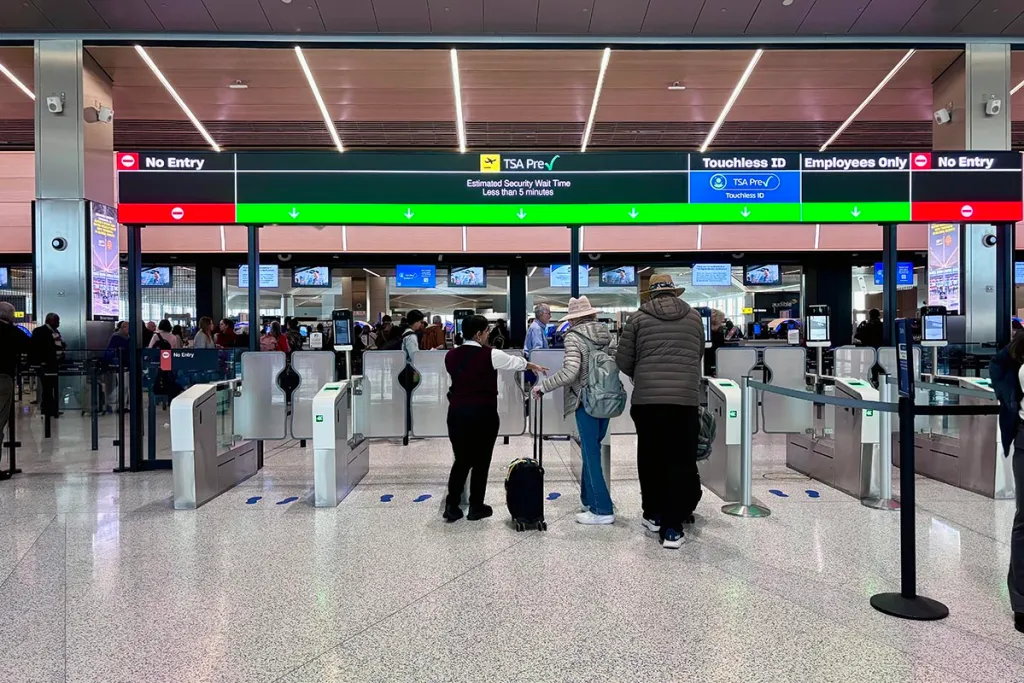
The article reports on significant disruptions in travel due to flight delays and cancellations at Nashville International Airport, affecting multiple major airlines including Southwest Airlines, Delta Air Lines, and American Airlines. The incident led to 103 flights being delayed and 7 flights being canceled, causing considerable disruption to travel in Nashville, Tennessee, and beyond. This event underscores the vulnerabilities in the travel industry’s operational resilience and the ripple effects such disruptions can have on both local and broader travel networks. The article also touches on the broader context of travel and tourism trends, highlighting the importance of robust contingency planning and the impact of such operational challenges on the industry’s reputation and passenger experience.
Key Points:
Actionable Takeaways:
Enhance Operational Resilience: Travel companies should invest in advanced predictive analytics and real-time monitoring systems to anticipate and mitigate disruptions more effectively. This proactive approach can minimize the impact of unforeseen events on travel schedules and passenger experience.
Strengthen Communication Protocols: Clear and timely communication with passengers is crucial during disruptions. Airlines should develop and refine communication protocols to keep passengers informed about delays and cancellations, thereby maintaining trust and satisfaction.
Focus on Passenger Experience: The incident emphasizes the need for travel companies to prioritize passenger experience, even in challenging circumstances. Implementing measures to support affected travelers, such as providing alternative transportation options or compensation, can help mitigate negative impacts on brand reputation.
Contextual Insights:
The disruption at Nashville International Airport is emblematic of broader challenges facing the travel industry, including the increasing complexity of global travel networks and the growing reliance on technology for seamless operations. Recent trends indicate a heightened focus on digital transformation within the sector, with airlines and airports investing in technologies such as AI-driven predictive analytics, IoT for real-time tracking, and enhanced customer communication platforms. These innovations are aimed at improving operational efficiency, enhancing passenger experience, and ensuring resilience against disruptions. The Nashville incident serves as a timely reminder of the critical role that technology plays in modern travel operations and the importance of continuous investment in these areas to stay competitive and responsive to evolving industry demands. As the travel sector continues to evolve, the ability to adapt to and recover from disruptions will be a key determinant of success, influencing both operational efficiency and customer satisfaction.
Read the Complete Article.
Get curated travel AI insights — choose the newsletters that matter to you.
ALTOUR Expands into Thailand, Strengthening Corporate Travel Network Across Southeast Asia BANGKOK, THAILAND (25 March, 2026) – ALTOUR, a leading...
Read moreDetails

Comprehensive Summarization: The article announces the launch of Riyadh Air's official theme music, 'Sound of a New Era', composed by...
Read moreDetails