






















Travel Capitalist Ventures Expands Check Size to $10 Million to Deepen Emerging Market Conviction
Boutique Travel VC raises investment cap from $1.5M to $10M to lead rounds and support portfolio companies through growth Travel...
Read moreDetails

Playboy Model Says American Airlines Made Her Cover Up Sp...
A recent incident involving a Playboy model and an American Airlines gate agent has ignited a flurry of discussion online, highlighting the often-unseen nuances of airline dress codes and passenger interactions. The model, identified as Lily Rose, claims she was prevented from boarding her flight due to her outfit, specifically a button-up shirt worn over a bralette. This situation raises pertinent questions about airline policies, passenger expectations, and the role of customer service in air travel.
According to reports, Rose was preparing to board an American Airlines flight when a gate agent allegedly stopped her, citing her attire as a violation of a dress code. The specifics of what constituted the violation remain a point of contention. Rose maintained that her outfit was "modest" and "appropriate for travel," while the airline’s representative reportedly insisted on the need for a "button-up" shirt. The exchange, captured and shared on social media, quickly went viral, drawing a wide spectrum of reactions.
This incident underscores the often-unclear boundaries of airline dress codes. While most carriers do not have explicit, strictly enforced dress codes for passengers, there are general guidelines regarding attire that can be deemed offensive, unsafe, or disruptive. These guidelines typically prohibit clothing with vulgarity, nudity, or items that could impede safety procedures. The question arises: where does a stylish bralette paired with an open button-up shirt fall on this spectrum?
For travelers, understanding these unwritten rules, or at least erring on the side of caution, can prevent similar stressful situations at the gate. While Rose’s experience was undoubtedly frustrating, it serves as a reminder that gate agents have discretion in enforcing policies to maintain a comfortable and orderly environment for all passengers. The viral nature of this event has also prompted discussions among travel professionals about the need for clearer communication regarding dress expectations, particularly as fashion trends evolve.
American Airlines has since stated that they do not have a specific dress code for passengers, but "reserve the right to refuse transport to customers of any airline if they are wearing ragged, dirty, or torn clothing." This statement suggests that the agent’s concern might have been misinterpretated or that there was a misunderstanding of the specific policy in play. However, the incident has undeniably sparked a broader conversation about how airlines manage passenger presentation and the importance of respectful and efficient customer service interactions. The takeaway for travelers? While fashion is personal, a little awareness of general airline etiquette can go a long way in ensuring a smooth journey.
Key Points
Read the Complete Article.
Boutique Travel VC raises investment cap from $1.5M to $10M to lead rounds and support portfolio companies through growth Travel...
Read moreDetails



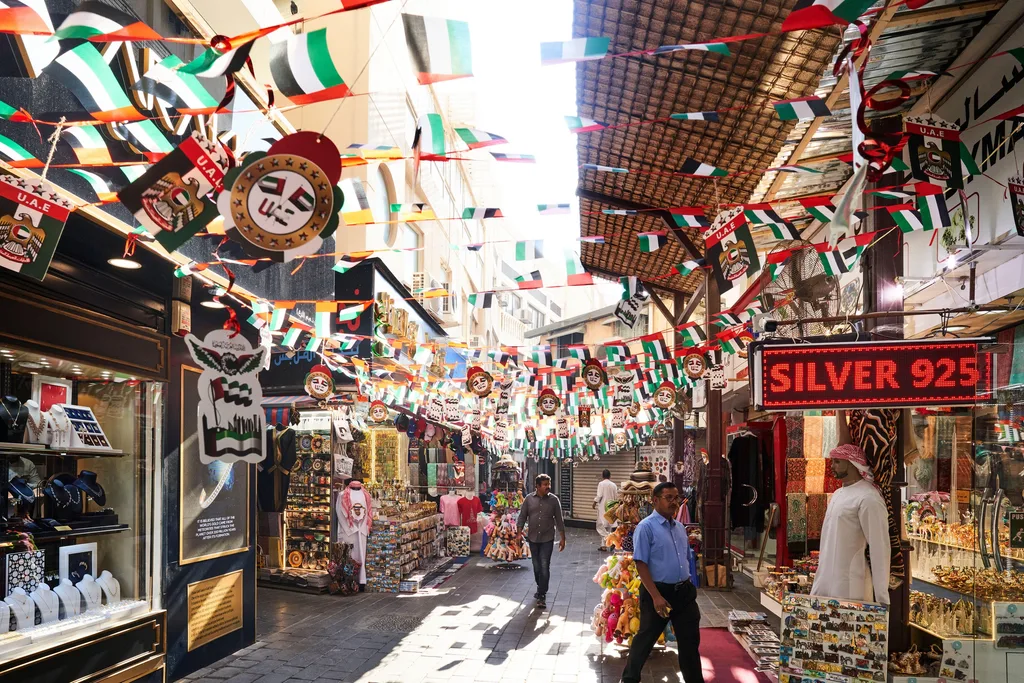
Comprehensive Summarization: The article discusses Dubai's struggle to combat a distorted global media narrative following the fragile ceasefire in the...
Read moreDetails
