






No products in the cart.
- Latest
- Trending

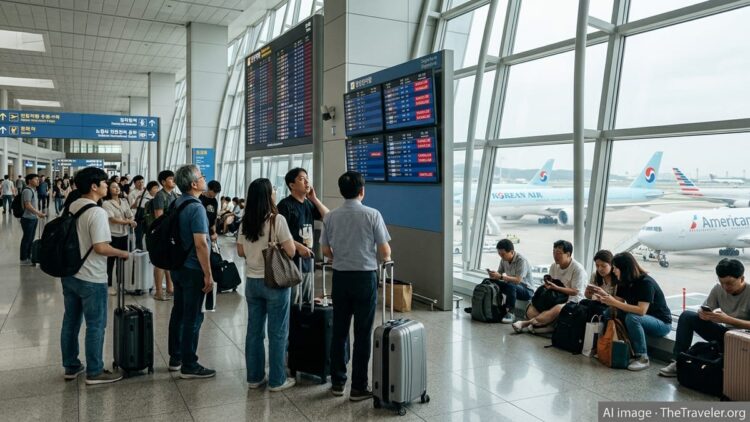
Flight Cancellations Disrupt Key South Korea–US and Domestic Routes
Comprehensive Summarization:
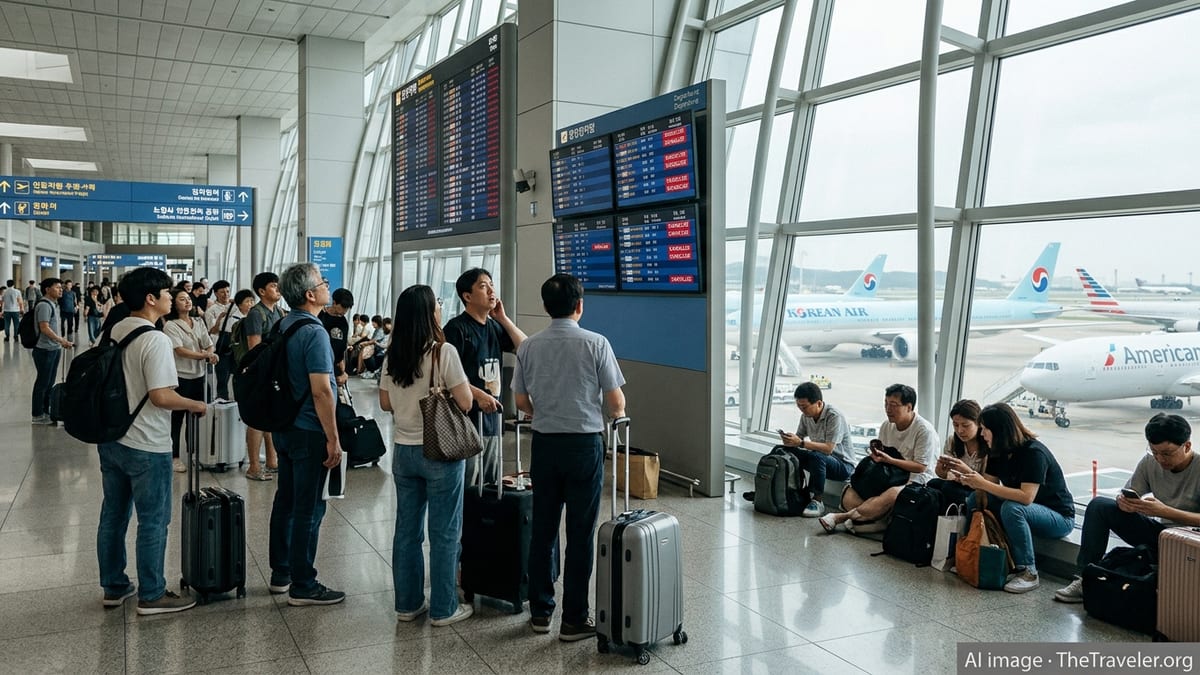
The article reports on disruptions in travel between Dallas and South Korea, specifically affecting routes through Seoul Incheon and Jeju airports. American Airlines and Korean Air have canceled selected services at these hubs, impacting both international and domestic connectivity. This disruption reduces the direct link between Dallas and South Korea and diminishes domestic travel options between Jeju and Yeosu. The article highlights the uncertainty faced by travelers navigating these routes and underscores the ripple effects of these cancellations on travel logistics and planning.
Key Points:
Actionable Takeaways:
Travel Planning Adjustments: Travelers should consider alternative routes or modes of transportation to avoid disruptions. This may include rerouting through other airports or adjusting travel schedules to accommodate indirect travel options.
Monitor Flight Status Updates: Airlines and travelers should stay informed about flight status updates and any further cancellations or changes in service.
Contextual Understanding:
The article reflects current challenges in the travel industry, particularly in managing disruptions caused by service cancellations. The cancellation of flights between major hubs like Seoul Incheon and Jeju airports highlights the interconnected nature of global travel networks. These disruptions can have broader implications for travel logistics, affecting not only individual travelers but also airlines and airport operations. The article also touches on the importance of adaptability in travel planning, a trend that is increasingly relevant as the industry navigates uncertainties such as weather events, geopolitical tensions, and health crises.
Handling Different Article Types:
The article is a news blurb, providing factual information about recent flight cancellations and their impact on travel routes. The structured output format ensures that the information is presented clearly and concisely, making it easy to integrate into professional materials such as travel advisories, newsletters, or industry reports.
markdown
Comprehensive Summarization:
Travelers moving through South Korea’s major hubs are facing fresh uncertainty as American Airlines and Korean Air cancel selected services at Seoul Incheon and Jeju airports, disrupting links between Dallas and South Korea and reducing domestic connectivity between Jeju and Yeosu.
Key Points:
Actionable Takeaways:
Contextual Insights:
The article reflects current challenges in the travel industry, particularly in managing disruptions caused by service cancellations. The cancellation of flights between major hubs like Seoul Incheon and Jeju airports highlights the interconnected nature of global travel networks. These disruptions can have broader implications for travel logistics, affecting not only individual travelers but also airlines and airport operations. The article also touches on the importance of adaptability in travel planning, a trend that is increasingly relevant as the industry navigates uncertainties such as weather events, geopolitical tensions, and health crises.
Read the Complete Article.
Get curated travel AI insights — choose the newsletters that matter to you.
This spot is reserved for brands with a compelling story for the travel trade. They use this space to cut...
Read moreDetailsALTOUR Expands into Thailand, Strengthening Corporate Travel Network Across Southeast Asia BANGKOK, THAILAND (25 March, 2026) – ALTOUR, a leading...
Read moreDetails


Comprehensive Summarization: The United States has issued a Level 3 travel advisory for the UAE, Bahrain, and Saudi Arabia, urging...
Read moreDetails