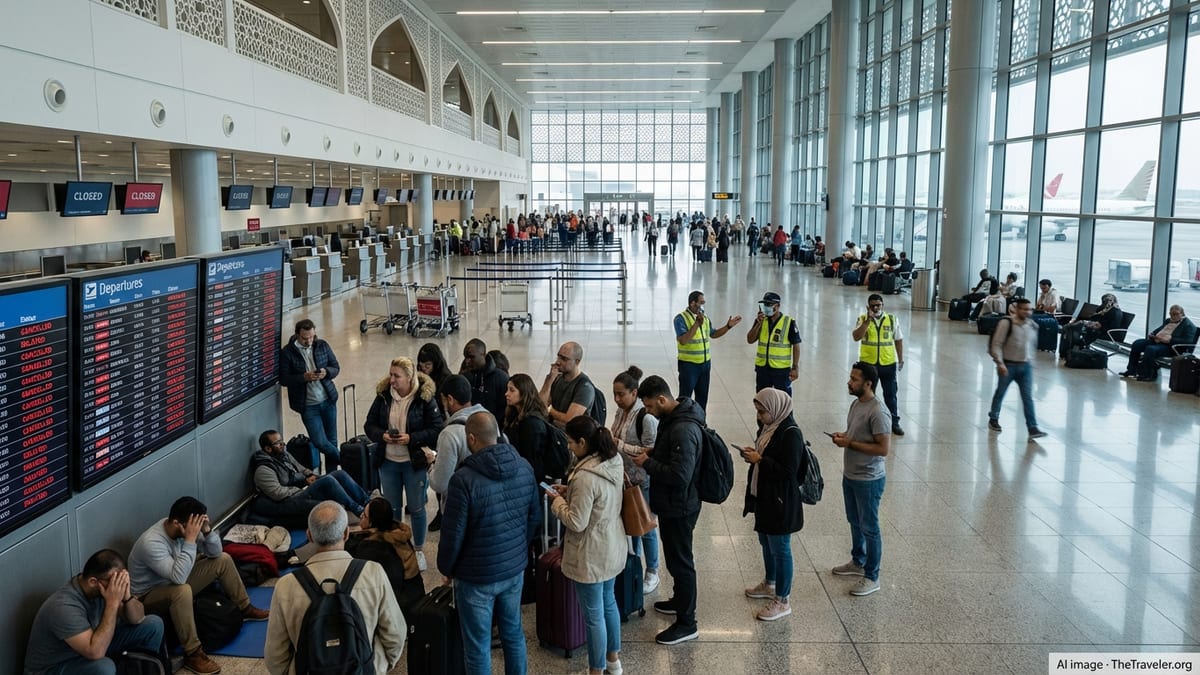
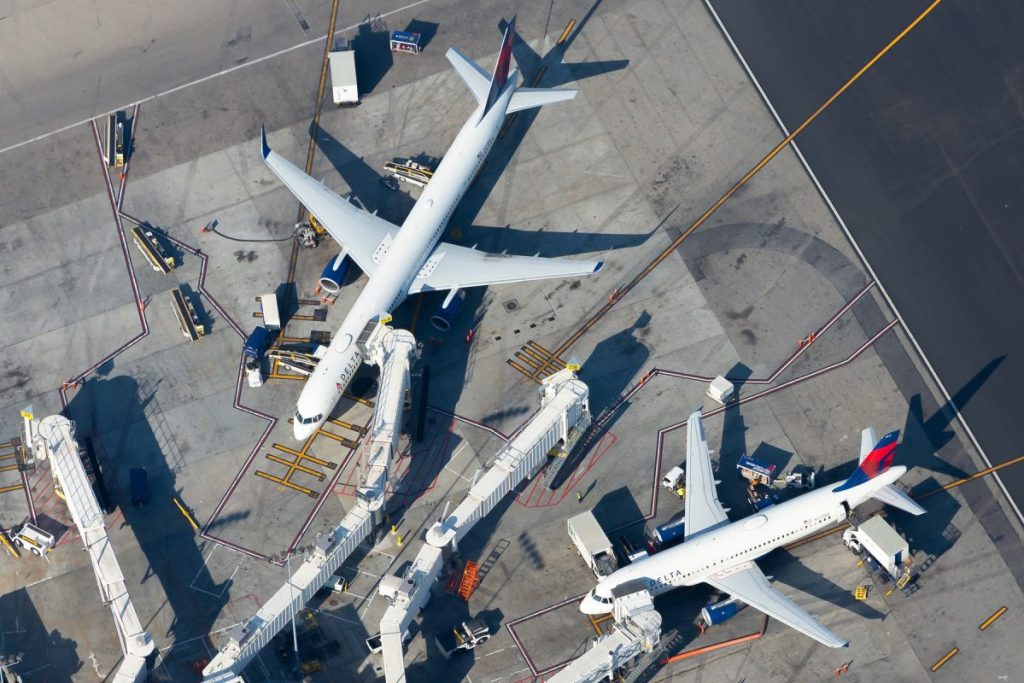
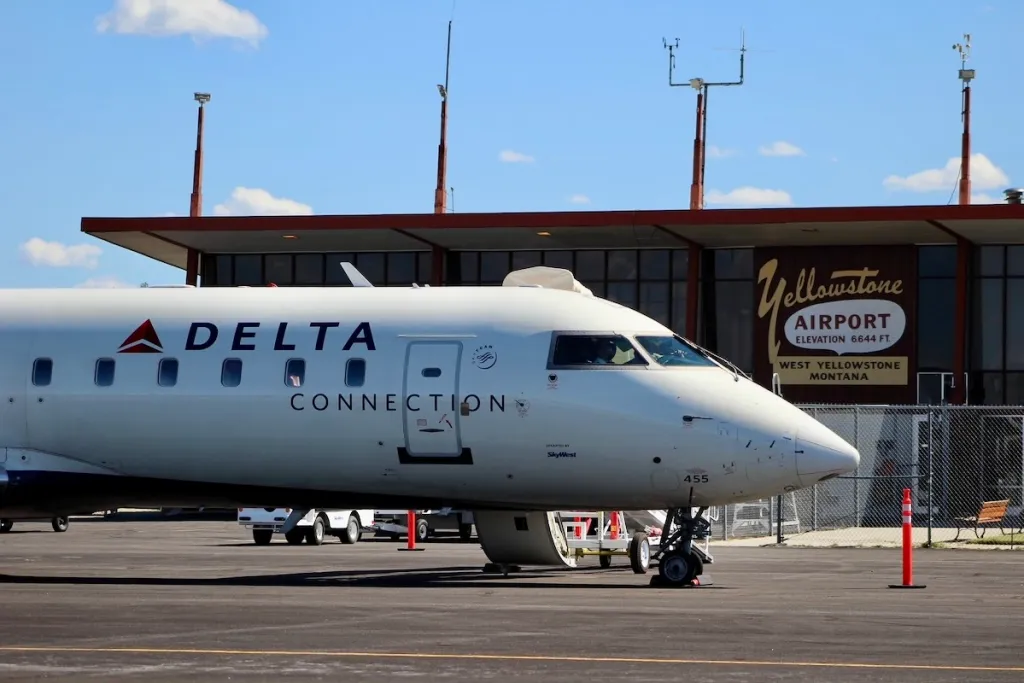
The article reports on significant disruptions in air travel across major U.S. cities, including New York, Chicago, and Dallas, due to 162 flight delays and 10 cancellations involving Southwest, American, Delta, and United Airlines. The disruptions, which occurred on February 22, 2026, have caused considerable inconvenience for both airlines and passengers, impacting travel plans to various destinations. The article highlights the challenges faced by the airlines in managing these disruptions and the broader implications for the travel industry, emphasizing the need for effective crisis management and passenger communication strategies.
Key Points:
Flight Disruptions: There were 162 flight delays and 10 cancellations across major U.S. cities, affecting airlines such as Southwest, American, Delta, and United.
Impact on Travelers: The disruptions have caused significant inconvenience for passengers traveling to various destinations, highlighting the challenges faced by airlines in managing such events.
Operational Challenges: The article underscores the operational difficulties faced by airlines in adjusting to and managing the increased number of delays and cancellations.
Actionable Takeaways:
Enhanced Communication Strategies: Airlines should prioritize improving communication with passengers during disruptions. Clear, timely updates can help manage passenger expectations and reduce frustration. This is crucial for maintaining customer satisfaction and loyalty in the face of operational challenges.
Investment in Technology for Real-Time Tracking: Airlines should invest in advanced technologies for real-time flight tracking and passenger notifications. This can help mitigate the impact of delays and cancellations by keeping passengers informed and allowing them to make alternative travel arrangements more easily.
Focus on Customer Service: The disruptions highlight the importance of robust customer service protocols. Airlines should ensure that their customer service teams are well-equipped to handle increased inquiries and provide support during disruptions. This can help in retaining customer trust and loyalty.
Contextual Insights:
The article reflects the ongoing challenges faced by the travel industry in managing disruptions caused by various factors, including weather conditions, operational issues, and unforeseen events. The recent delays and cancellations underscore the need for airlines to adopt more resilient operational strategies and leverage technology to enhance their service delivery. The emphasis on effective communication and customer service is particularly relevant in today’s travel landscape, where passenger expectations are high, and the industry is increasingly competitive. By focusing on these areas, airlines can not only mitigate the immediate impact of disruptions but also build a more resilient and customer-centric operation, aligning with current industry trends towards enhanced digital experiences and customer-centric strategies.