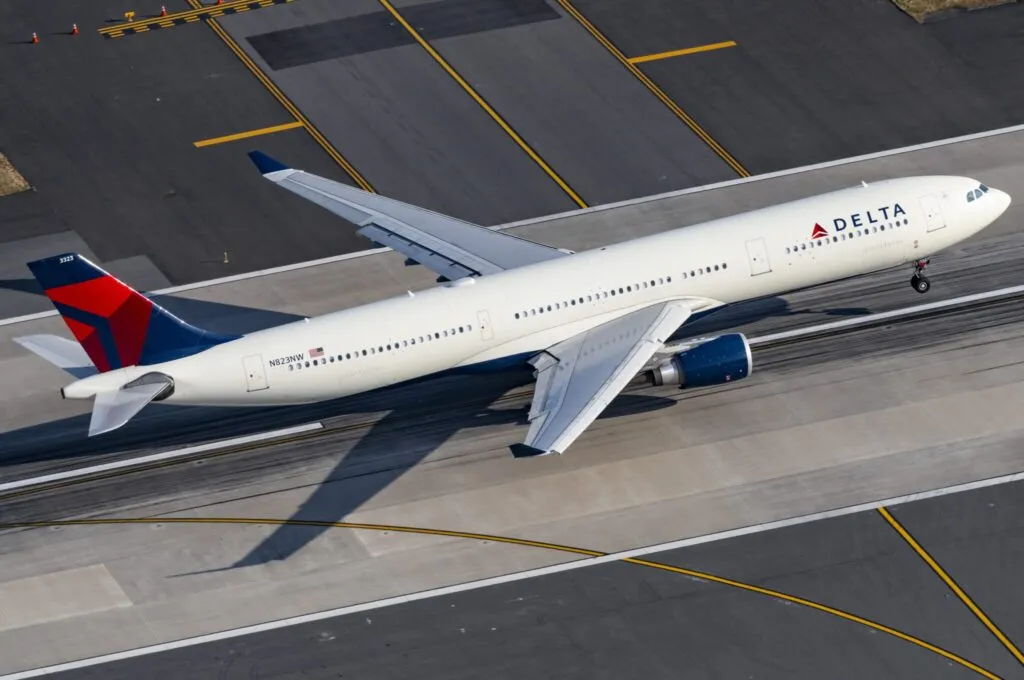
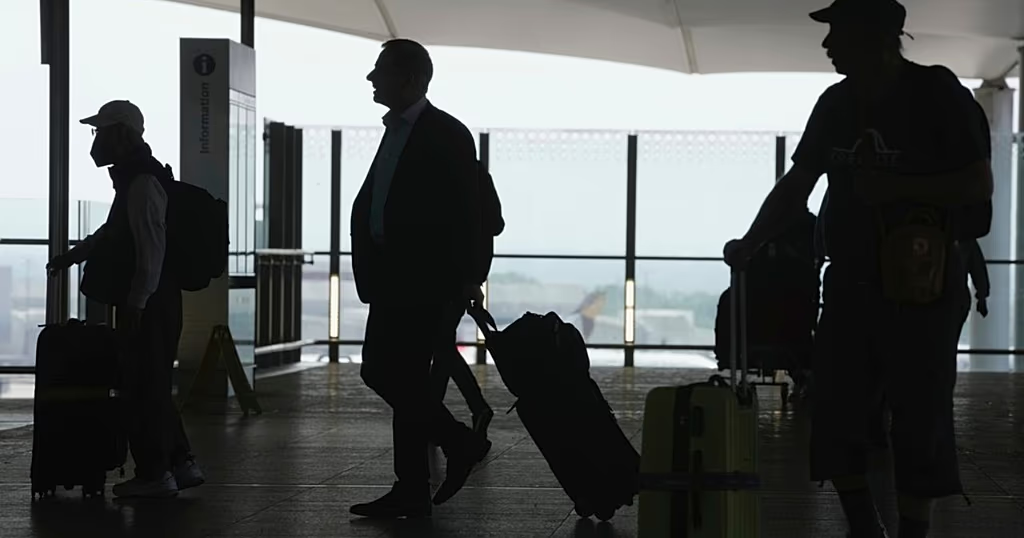
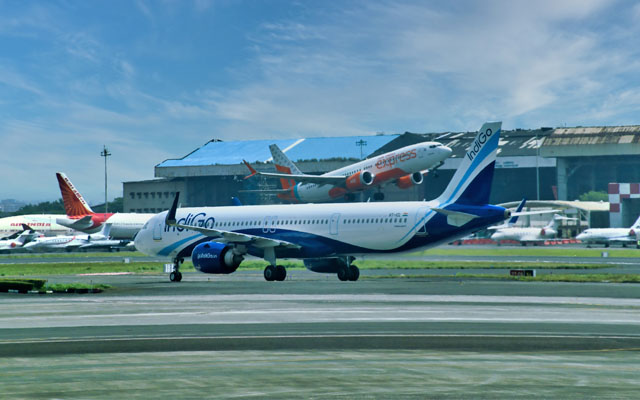
The article reports on significant flight cancellations and delays affecting thousands of passengers across the United States on January 26, 2026. Four of the nation’s largest airlines—American Airlines, Delta, Southwest, and United—announced the cancellation of 5,424 flights and the delay of 1,967 flights. This disruption has severely impacted travel in major cities such as Dallas, Atlanta, Chicago, Los Angeles, and New York. The article highlights the strain on the aviation landscape, emphasizing the challenges faced by travelers and the broader implications for the travel industry.
Key Points:
Massive Flight Disruptions:American Airlines, Delta, Southwest, and United canceled 5,424 flights and delayed 1,967 flights, significantly impacting travel across the U.S.
Geographic Impact: Major cities including Dallas, Atlanta, Chicago, Los Angeles, and New York experienced widespread flight cancellations and delays.
Strained Aviation Landscape: The disruptions highlight the already strained state of the aviation industry, particularly in the wake of the new year.
Focus on Major Carriers: The article emphasizes the impact on the nation’s largest airlines, underscoring their role in the current travel disruptions.
Actionable Takeaways:
Enhanced Customer Communication: Airlines should prioritize clear and timely communication with affected passengers to manage expectations and reduce anxiety during disruptions. This proactive approach can enhance customer satisfaction and loyalty.
Investment in Resilient IT Systems: The article underscores the need for airlines to invest in robust IT systems capable of handling large-scale disruptions efficiently. Improved real-time tracking and automated communication tools can mitigate future travel disruptions.
Focus on Customer Experience Recovery: Airlines should prioritize strategies to recover and enhance the customer experience post-disruption. This could include offering compensation, flexible rebooking options, and personalized support to regain passenger trust.
Contextual Insights:
The article reflects the ongoing challenges faced by the U.S. aviation industry, particularly in the context of post-holiday travel periods, which are typically associated with increased demand and potential disruptions. The focus on major carriers like American Airlines, Delta, Southwest, and United highlights their critical role in the national travel network. The disruptions underscore the importance of technological advancements in aviation management, such as real-time flight tracking and automated communication systems, to enhance operational resilience. Furthermore, the article aligns with current industry trends emphasizing the need for agile and customer-centric strategies to navigate and recover from travel disruptions. As the travel industry continues to evolve, innovations in travel tech and fintech are likely to play a pivotal role in improving operational efficiency and customer satisfaction.
Comprehensive Summarization: The article highlights that Vietnam’s Mui Ne has been named among Booking.com’s top 10 global trending destinations for...