









No products in the cart.
- Latest
- Trending

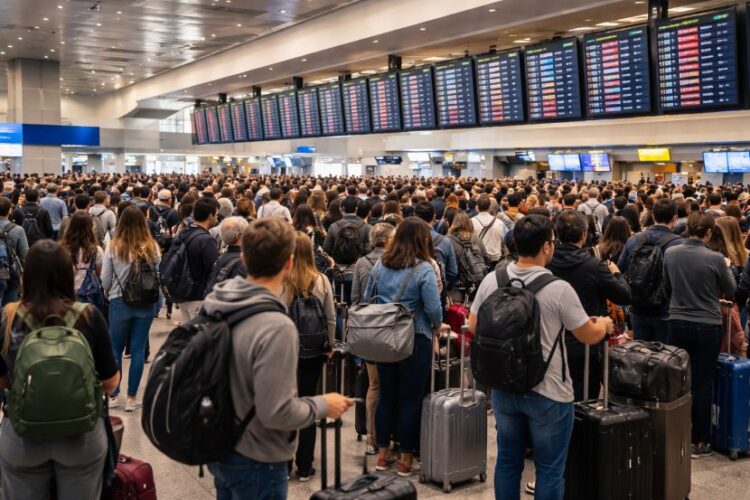
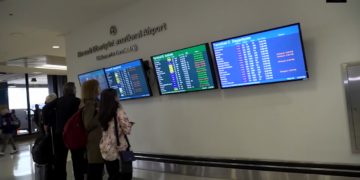
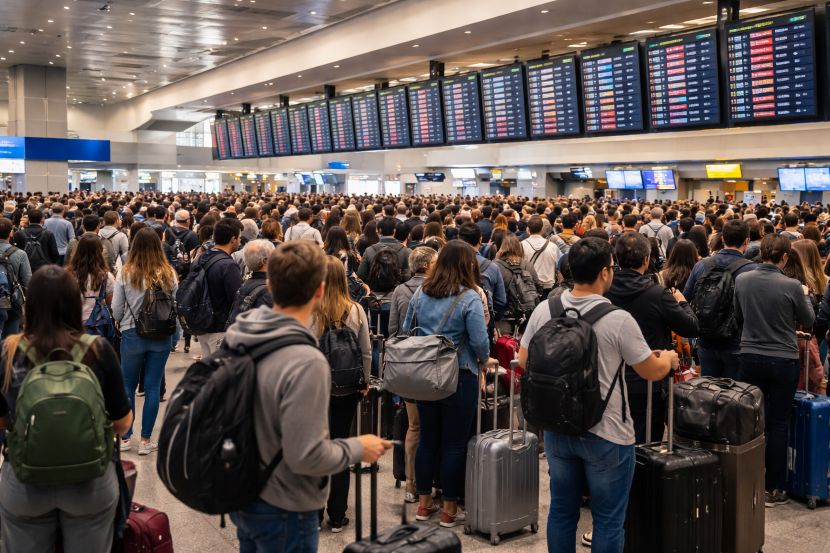
Hundreds of Travellers Stranded at LaGuardia Airport as 288 Delays and 59 Cancellations Disrupt Flig...
Comprehensive Summarization:
The article reports on significant disruptions at New York City’s LaGuardia Airport (LGA), where there are currently 288 flight delays and 59 cancellations. The disruptions are affecting major US airlines, including Delta, American, Spirit, and JetBlue. The affected routes include destinations such as Miami, Chicago, Washington D.C., and Toronto. The article highlights the operational challenges faced by the airport and the airlines, providing a snapshot of the current state of air travel in the region.
Key Points:
Actionable Takeaways:
Enhanced Communication Strategies: Airlines and airports should improve communication with travelers regarding delays and cancellations. This can include real-time updates through mobile apps, email notifications, and social media platforms. This takeaway is relevant as effective communication can mitigate traveler frustration and improve overall satisfaction during disruptions.
Investment in Resilient Airport Infrastructure: The article underscores the need for airports to invest in resilient infrastructure to handle unexpected disruptions. This could involve upgrading systems for real-time tracking of flights, enhancing backup power supplies, and improving ground transportation options. This takeaway is significant as it addresses the root causes of disruptions and can lead to more stable and reliable air travel operations.
Contextual Insights:
The disruptions at LaGuardia Airport highlight ongoing challenges in the travel industry, particularly in managing large volumes of passengers during adverse conditions. The article reflects broader trends in the industry, such as the increasing reliance on technology for real-time updates and the importance of resilient infrastructure. Forward-looking insights suggest that the integration of advanced technologies, such as AI-driven predictive analytics for flight scheduling and passenger flow management, could help airlines and airports better anticipate and mitigate disruptions. Additionally, the emphasis on traveler communication aligns with current trends emphasizing customer experience and satisfaction in the travel sector.
Read the Complete Article.
Get curated travel AI insights — choose the newsletters that matter to you.
This spot is reserved for brands with a compelling story for the travel trade. They use this space to cut...
Read moreDetailsALTOUR Expands into Thailand, Strengthening Corporate Travel Network Across Southeast Asia BANGKOK, THAILAND (25 March, 2026) – ALTOUR, a leading...
Read moreDetails


Comprehensive Summarization: The article reports on significant disruptions at New York City’s LaGuardia Airport (LGA), where there are currently 288...
Read moreDetails