Article Summary:
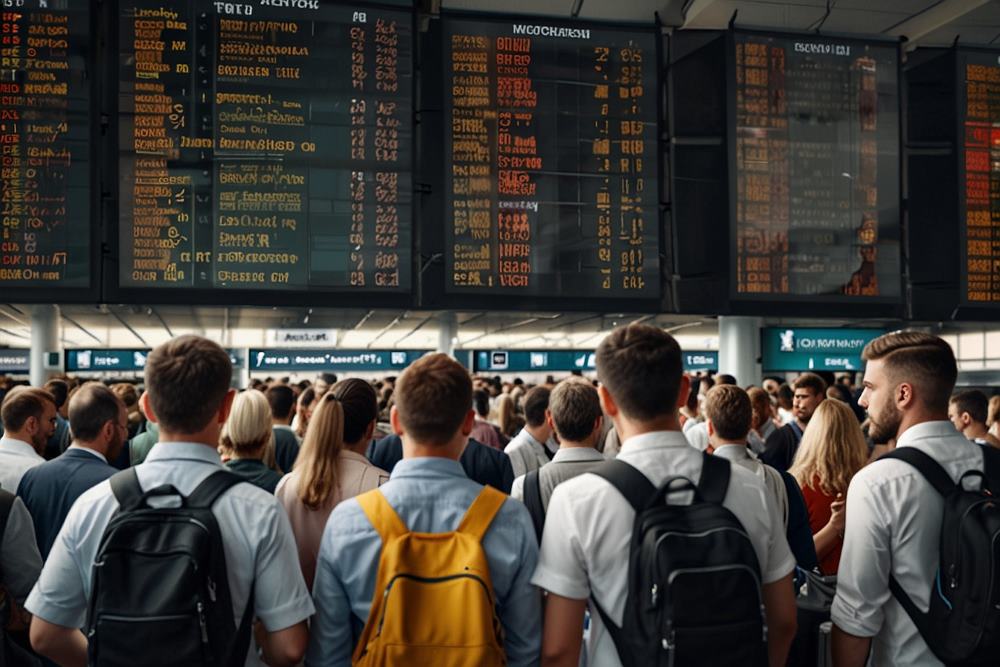
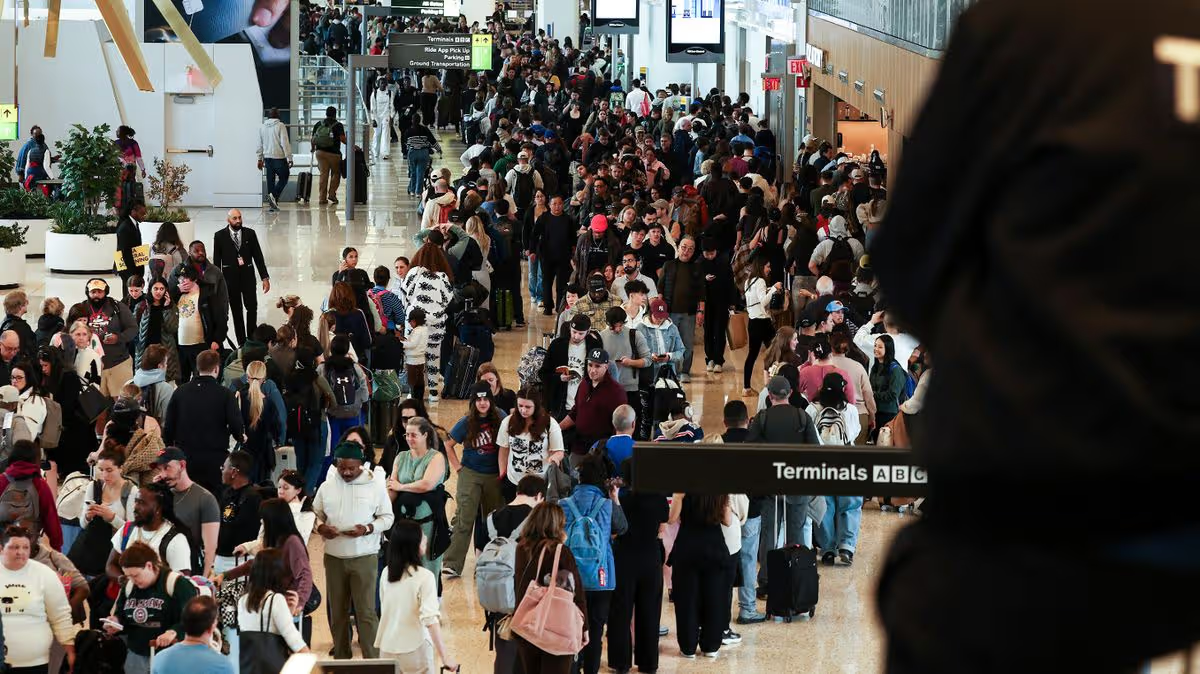
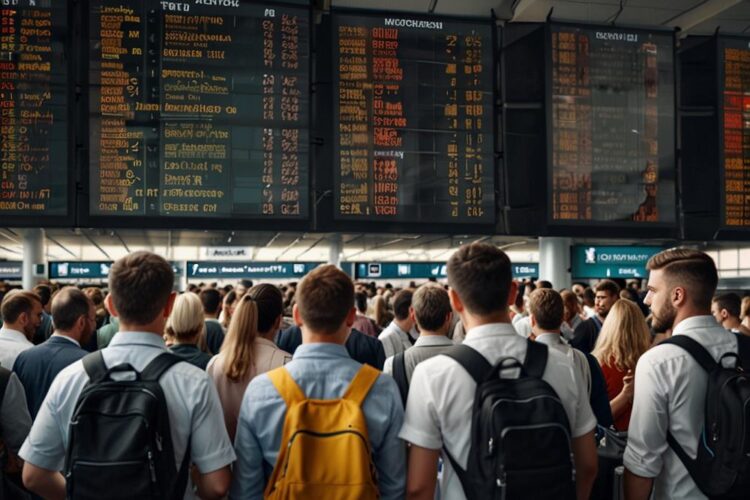
On December 6, 2025, thousands of passengers across the United States faced significant disruptions due to widespread delays and cancellations by major airlines such as Delta, United, Spirit, American, and others. The article reports a staggering 4,537 delays and over 300 cancellations across key cities including Detroit, Atlanta, Cleveland, St. Louis, and Memphis. This article provides a snapshot of the current state of travel disruptions in the U.S., highlighting the challenges faced by both airlines and passengers amidst ongoing operational issues.
Key Points:
- Widespread Disruptions: The article highlights a significant number of delays (4,537) and cancellations (over 300) across major U.S. cities, affecting thousands of passengers.
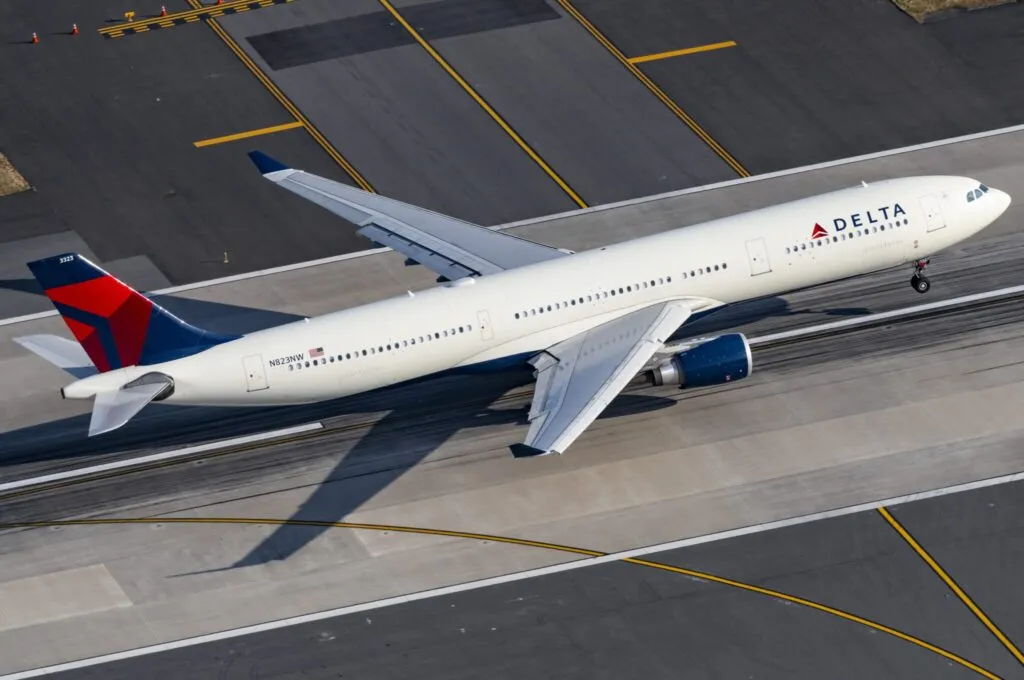
- Major Airlines Involved: The disruptions are reported across several major airlines, including Delta, United, Spirit, American, and others, indicating a systemic issue rather than isolated incidents.
- Geographic Impact: The disruptions are widespread, affecting major hubs such as Detroit, Atlanta, Cleveland, St. Louis, and Memphis, suggesting a broad operational challenge for the airlines involved.
- Publication Date: The article was published on December 6, 2025, indicating that the disruptions were ongoing at the time of reporting.
Actionable Takeaways:
- Enhanced Operational Resilience: Airlines must invest in more robust operational resilience strategies to mitigate the impact of delays and cancellations. This could include better scheduling algorithms, improved communication with passengers, and contingency plans for unexpected disruptions.
- Focus on Customer Communication: Effective communication with passengers during disruptions is crucial. Airlines should prioritize clear, timely updates to manage passenger expectations and reduce frustration.
- Invest in Technology: The article underscores the need for technological advancements in travel tech to improve real-time tracking of flights and streamline the passenger experience during disruptions. Investing in AI-driven solutions for flight tracking and customer service could enhance operational efficiency.
Contextual Insights:
The article reflects the ongoing challenges faced by the U.S. travel industry, particularly in managing large-scale disruptions. Recent trends indicate a growing reliance on technology to enhance operational efficiency and passenger experience. Thought leaders in the travel sector emphasize the importance of leveraging data analytics and AI to predict and mitigate disruptions. This article aligns with these insights, underscoring the need for airlines to adopt innovative solutions to maintain service reliability and customer satisfaction. The current disruptions highlight the vulnerability of the travel sector to operational challenges, emphasizing the importance of proactive measures to ensure resilience and adaptability in the face of unforeseen events.
Read the Complete Article.