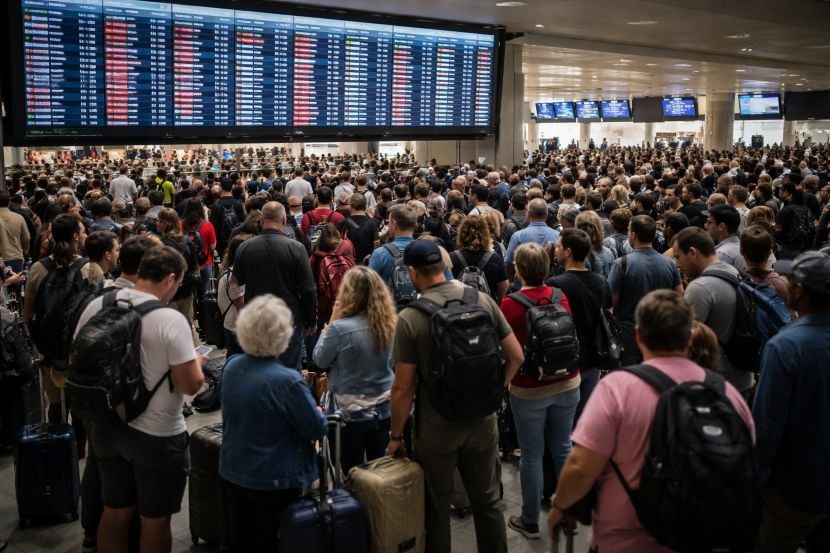
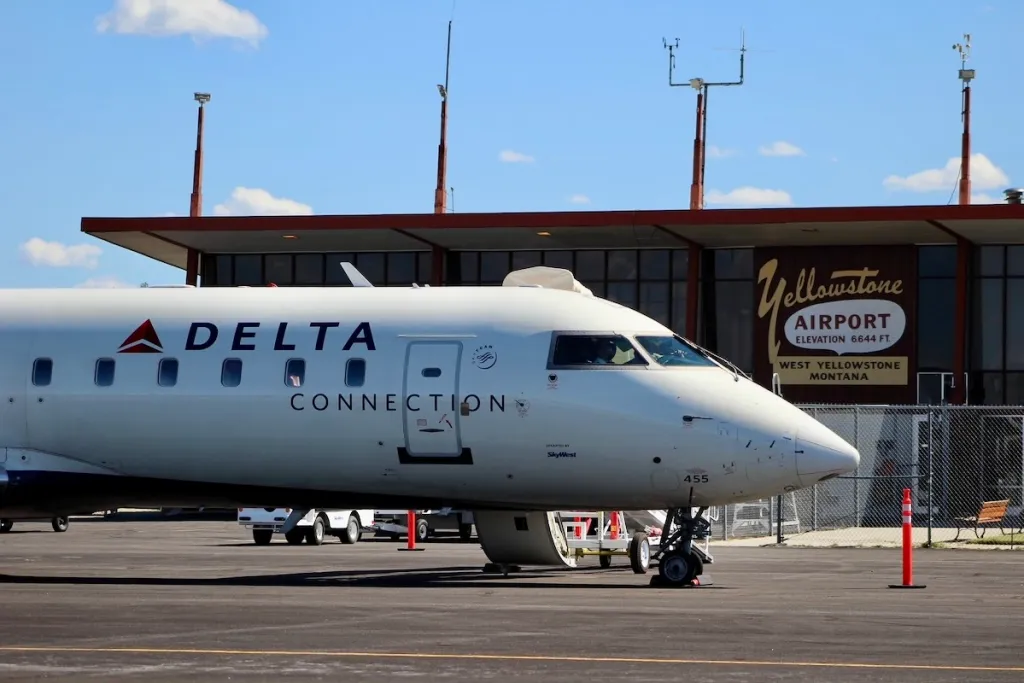
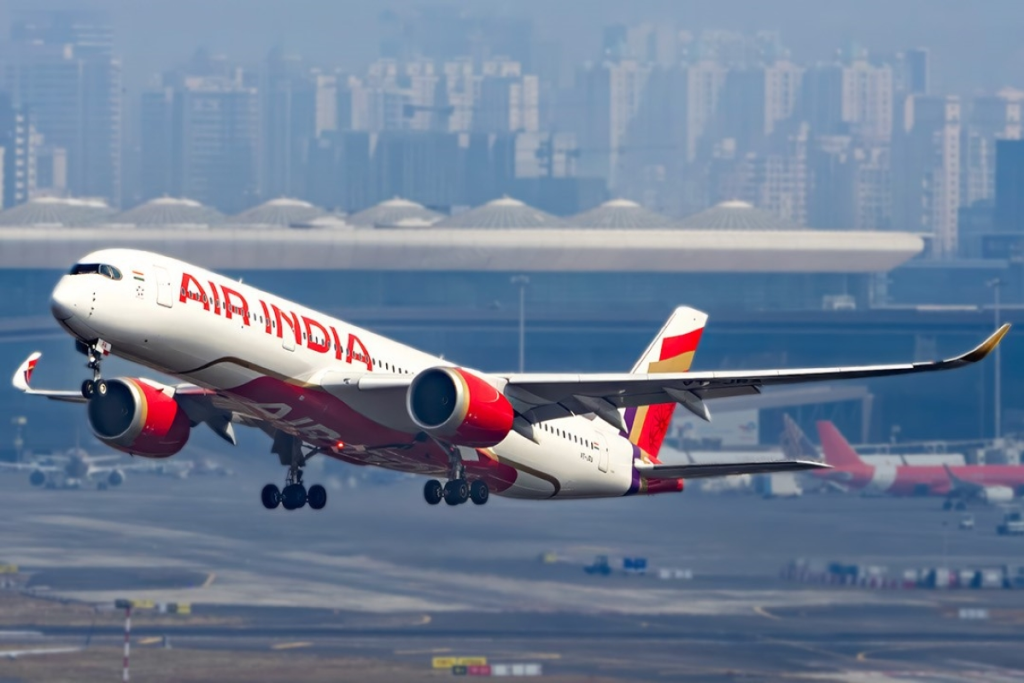
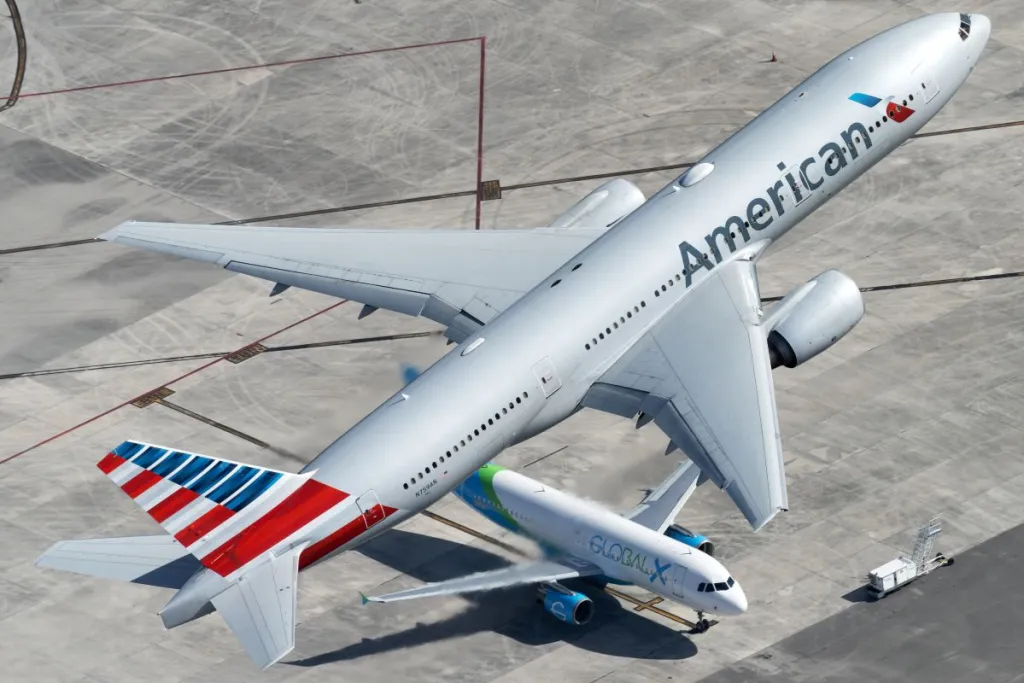
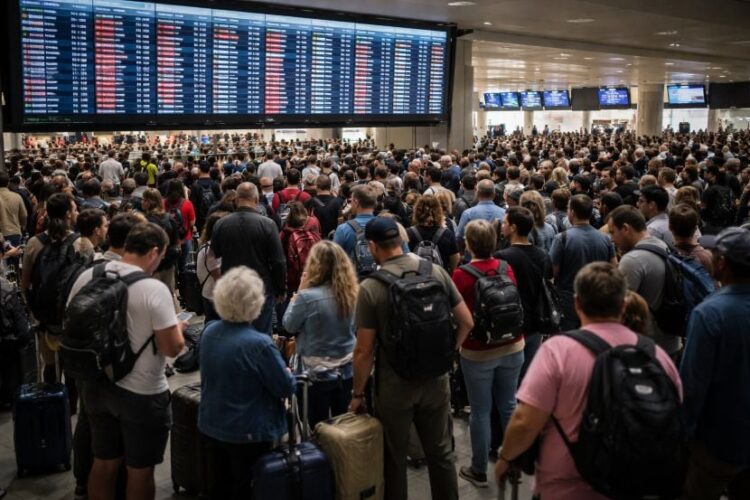
The article reports on significant travel disruptions at Philadelphia International Airport (PHL) on March 13, 2026, due to 32 flight cancellations and 286 delays caused by American Airlines, Southwest, and Spirit Airlines. The disruptions affected passengers in major U.S. cities including Philadelphia, New York, Chicago, and Miami. The article highlights the ongoing challenges in the travel industry, emphasizing the impact on both airlines and travelers. It also sets the stage for a discussion on broader travel trends and insights from industry thought leaders.
Key Points:
Philadelphia International Airport (PHL) experienced 32 flight cancellations and 286 delays on March 13, 2026, due to operational issues with American Airlines, Southwest, and Spirit Airlines.
The disruptions impacted travelers in major U.S. cities, including Philadelphia, New York, Chicago, and Miami.
The article serves as a snapshot of current travel challenges, providing context for broader discussions on travel industry trends and innovations.
Actionable Takeaways:
Enhanced Communication Strategies: Airlines should improve real-time communication with passengers regarding flight status updates to mitigate the impact of delays and cancellations. This can help manage passenger expectations and reduce frustration.
Investment in Resilient IT Systems: The article underscores the need for airlines to invest in robust IT systems that can handle unexpected surges in demand and operational disruptions. Enhanced systems can improve operational efficiency and passenger satisfaction.
Focus on Customer Experience Recovery: Airlines should prioritize customer experience recovery by offering compensation, such as refunds, rebooking options, or travel credits, to affected passengers. This not only addresses immediate concerns but also builds loyalty and trust.
Contextual Insights:
The disruptions at Philadelphia International Airport highlight the vulnerabilities within the current travel infrastructure, particularly in handling large-scale operational failures. This situation is reflective of broader industry trends where technological advancements and operational efficiencies are crucial for maintaining service reliability. The article aligns with recent insights from industry thought leaders who emphasize the importance of integrating advanced technologies, such as AI and real-time data analytics, to enhance operational resilience. Furthermore, the focus on customer experience recovery underscores the growing importance of customer-centric strategies in the travel sector, as highlighted by experts in travel tech and fintech. These insights suggest that the industry is moving towards more proactive and customer-focused approaches to mitigate the impact of travel disruptions.