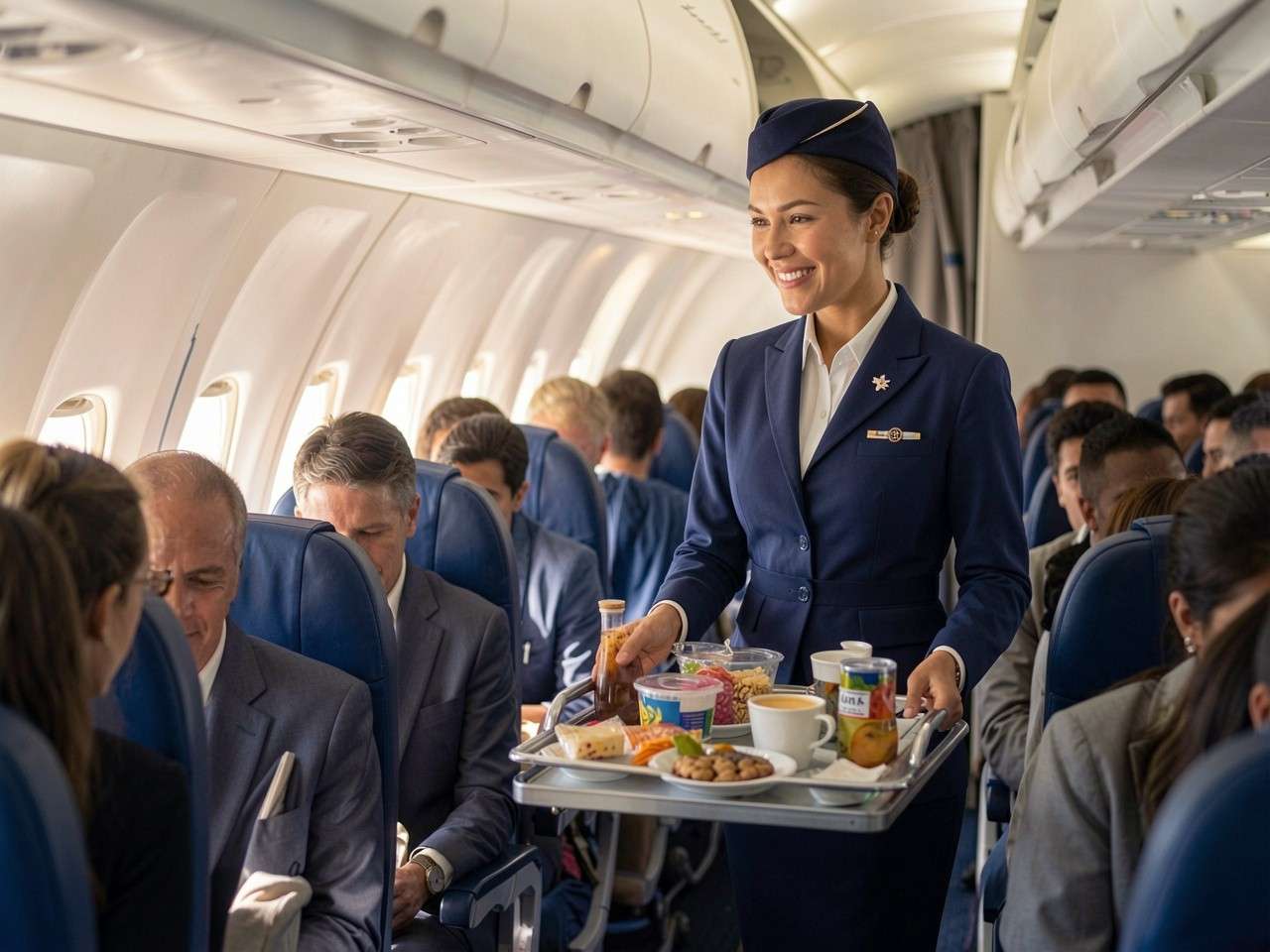
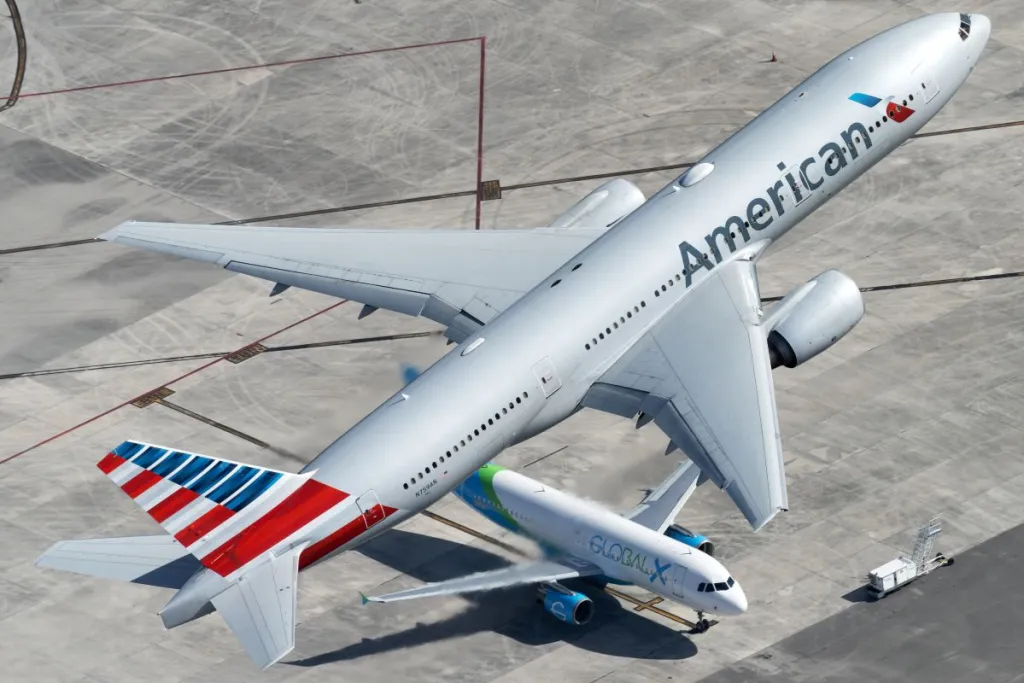
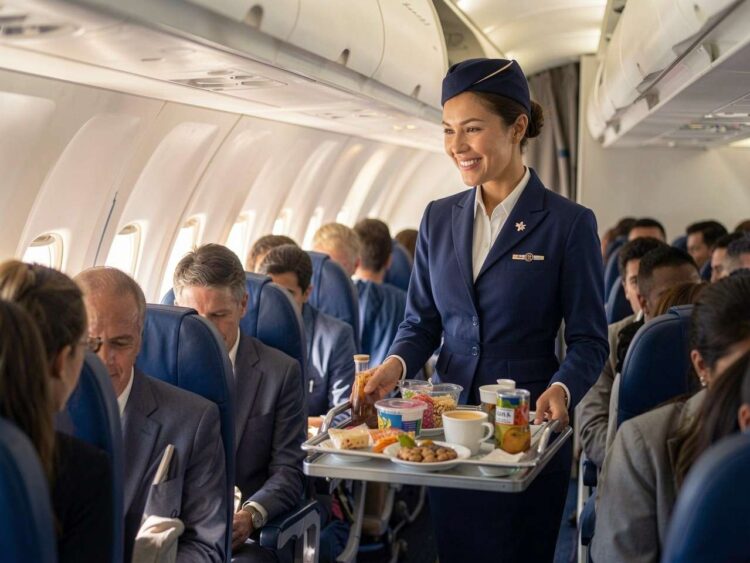
United Airlines, Delta, American Airlines, and Southwest Airlines are facing a potential airline shake-up as their flight attendants negotiate a pay raise after five years without one. This development comes at a pivotal moment for the airline industry, highlighting ongoing labor negotiations and the broader economic context affecting the sector. The article, published on March 15, 2026, provides a snapshot of the challenges and negotiations within major U.S. airlines, reflecting broader trends in labor relations and industry stability.
Key Points:
Negotiations for Pay Raise: Flight attendants at United Airlines, Delta, American Airlines, and Southwest Airlines are in the process of negotiating a pay raise, a demand that has been ongoing for five years.
Industry Context: The article is set within the broader context of the airline industry, indicating potential industry-wide implications if the negotiations result in significant changes.
Publication Date: The article was published on March 15, 2026, suggesting it reflects current industry conditions and negotiations.
Actionable Takeaways:
Impact on Labor Relations: The potential pay raise negotiations could set a precedent for labor relations within the airline industry, potentially influencing future negotiations at other airlines. This could lead to increased labor costs for airlines, which may impact pricing strategies and profitability.
Market Stability and Consumer Impact: If the airlines agree to a significant pay raise, it could lead to increased operational costs, potentially affecting ticket prices and overall market stability. This could have implications for consumer travel behavior and industry competition.
Innovation and Adaptation: The article underscores the need for airlines to innovate and adapt to labor market pressures. This could drive advancements in travel tech, such as automation in customer service or more efficient operational technologies, to offset increased labor costs.
Contextual Insights:
The article reflects current trends in labor negotiations within the travel industry, where flight attendants’ demands for fair compensation are becoming increasingly common. This aligns with broader industry shifts towards recognizing the importance of employee welfare and its impact on operational efficiency. Forward-looking insights suggest that airlines will need to balance labor costs with competitive pricing strategies, potentially accelerating the adoption of technology-driven solutions to maintain profitability and service quality. Additionally, the situation highlights the importance of strategic planning and investment in innovation to navigate labor market challenges effectively.