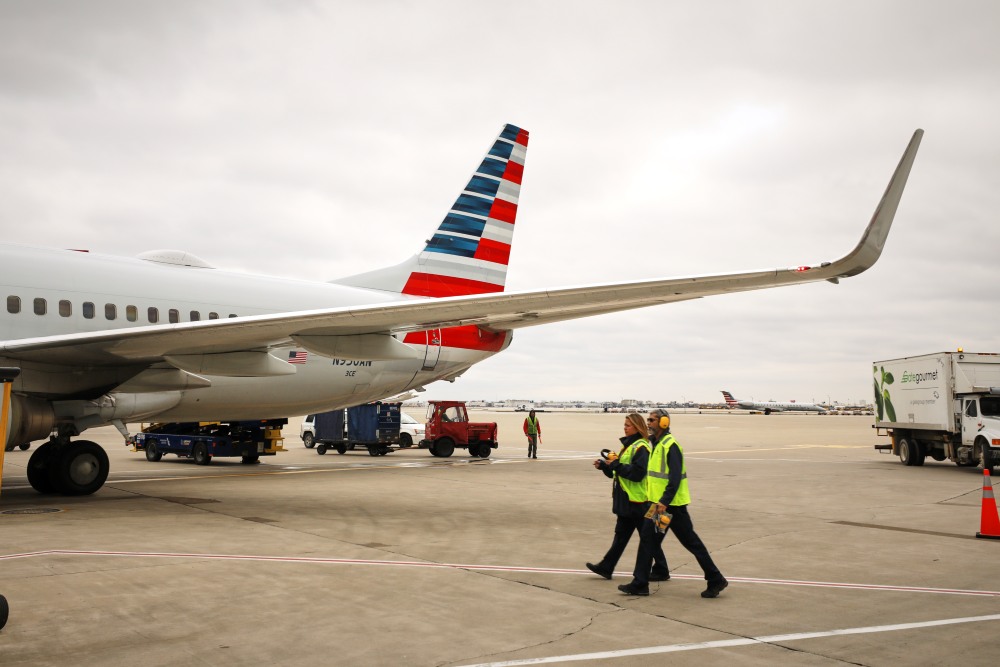
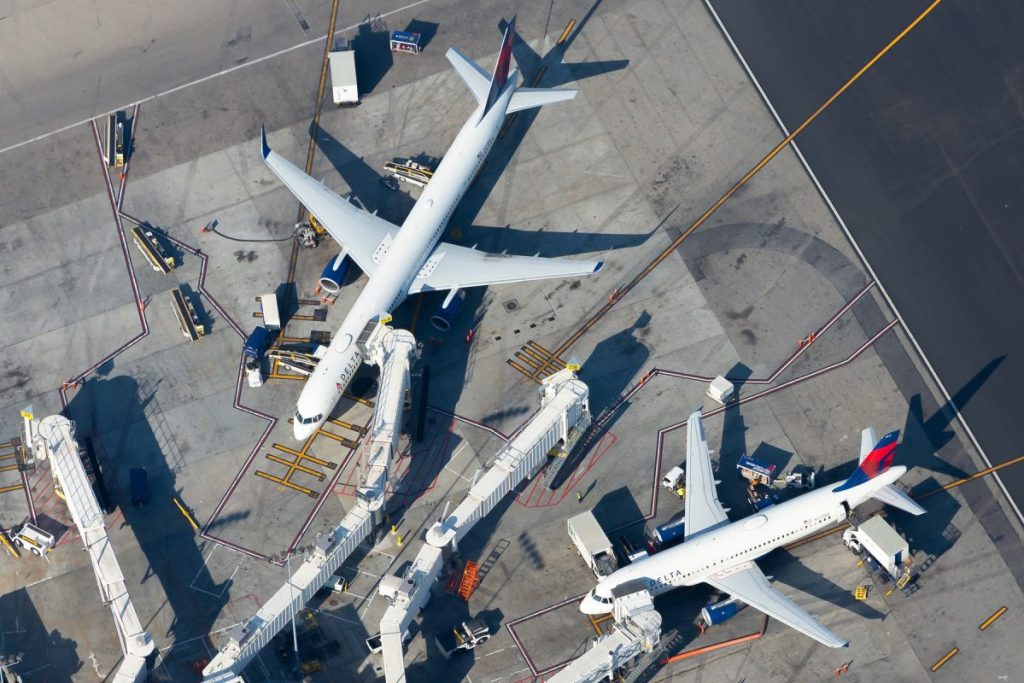
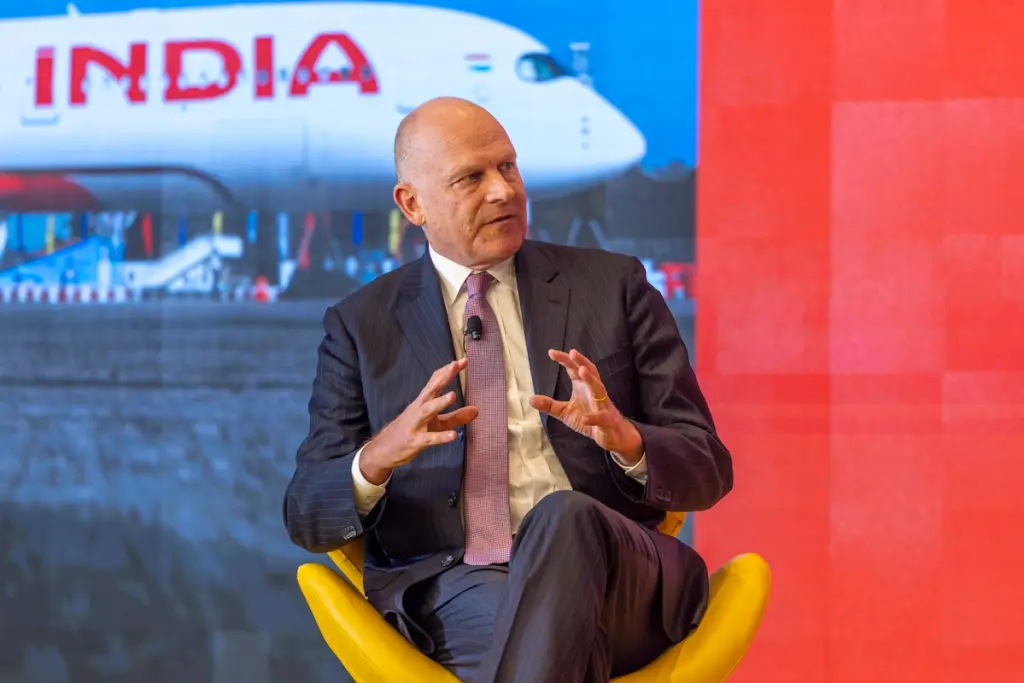
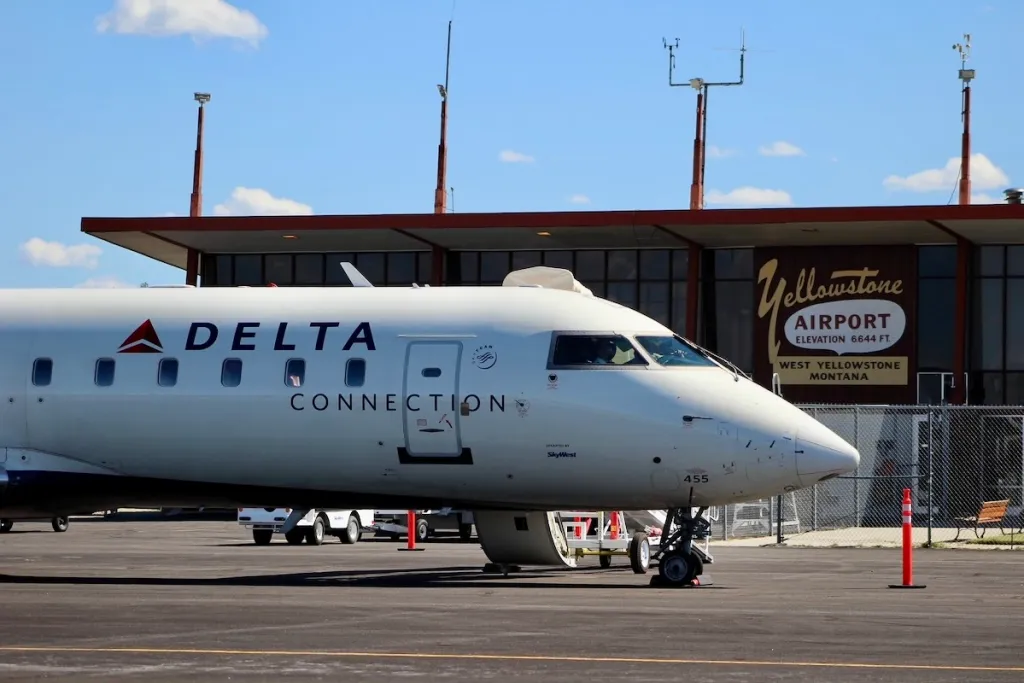
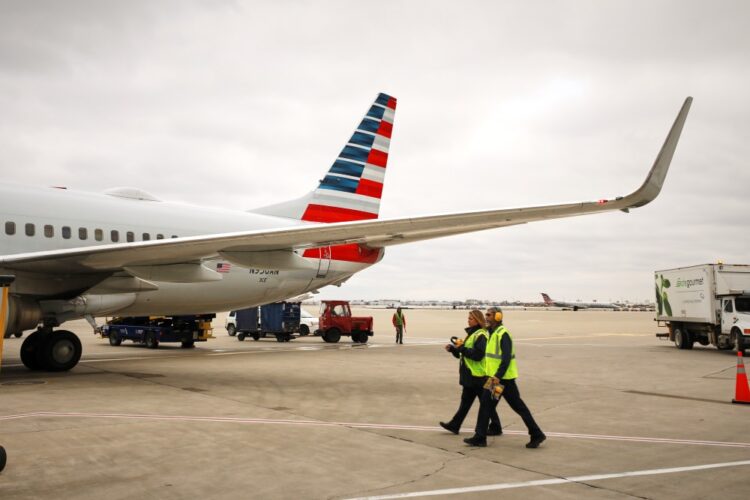
The US aviation industry is undergoing a significant overhaul as the Federal Aviation Administration (FAA) mandates a major shift in pilot hiring practices. This directive impacts major US airlines including United, Delta, American, and Southwest, among others. The FAA’s decision is driven by a push for diversity and a move towards a more merit-based hiring system. This change is expected to reshape the recruitment and training processes within the industry, potentially leading to a more diverse and skilled pilot workforce. The article, published on February 15, 2026, by Tuhin Sarkar on Travel and Tour World, highlights the implications of this mandate for the airlines involved and the broader aviation sector.
Key Points:
The FAA has mandated a major overhaul in pilot hiring practices for United, Delta, American, Southwest, and other US airlines.
The mandate emphasizes diversity and a shift towards a merit-based hiring system.
This change is expected to significantly impact the recruitment and training processes within the US aviation sector.
The directive aims to create a more diverse and skilled pilot workforce.
Actionable Takeaways:
Enhanced Diversity Initiatives: Airlines must develop and implement robust diversity hiring programs to comply with the FAA’s mandate. This could involve targeted recruitment efforts, partnerships with diverse educational institutions, and the creation of inclusive hiring policies. Such initiatives are crucial for aligning with the new regulatory requirements and could enhance the airlines’ brand image as leaders in diversity and inclusion within the industry.
Focus on Merit-Based Selection: The shift towards a merit-based hiring system necessitates a reevaluation of current recruitment and selection processes. Airlines should invest in comprehensive training programs and standardized assessment tools to evaluate candidates based on skills, experience, and potential, rather than traditional metrics. This approach could lead to a more qualified and adaptable pilot workforce, capable of meeting the evolving demands of modern aviation.
Training and Development Programs: With the emphasis on a diverse and skilled pilot workforce, airlines should prioritize comprehensive training and development programs. This includes not only technical training but also cultural competency and leadership development. Such programs will be essential in preparing pilots to navigate the complexities of a diverse cockpit environment and to excel in their roles.
Contextual Insights:
The FAA’s mandate reflects a broader industry trend towards inclusivity and meritocracy, influenced by recent events highlighting the need for diversity in leadership roles. This move aligns with global best practices in aviation and reflects a growing recognition of the benefits of diverse perspectives in decision-making processes. As the industry continues to evolve, the focus on diversity and merit-based hiring is likely to become a standard expectation, rather than a regulatory requirement. For startups and established airlines alike, adapting to these changes will be crucial for maintaining competitiveness and ensuring long-term success in the global aviation market. The integration of advanced technologies in pilot training and recruitment processes could further streamline these efforts, offering innovative solutions to meet the new standards.
Comprehensive Summarization: The article reports on significant travel disruptions at Keflavik International Airport in Iceland, where 27 flights were delayed...