



No products in the cart.
- Latest
- Trending

Travel Chaos Grips Major US Hubs With Hundreds of Delays
Comprehensive Summarization:
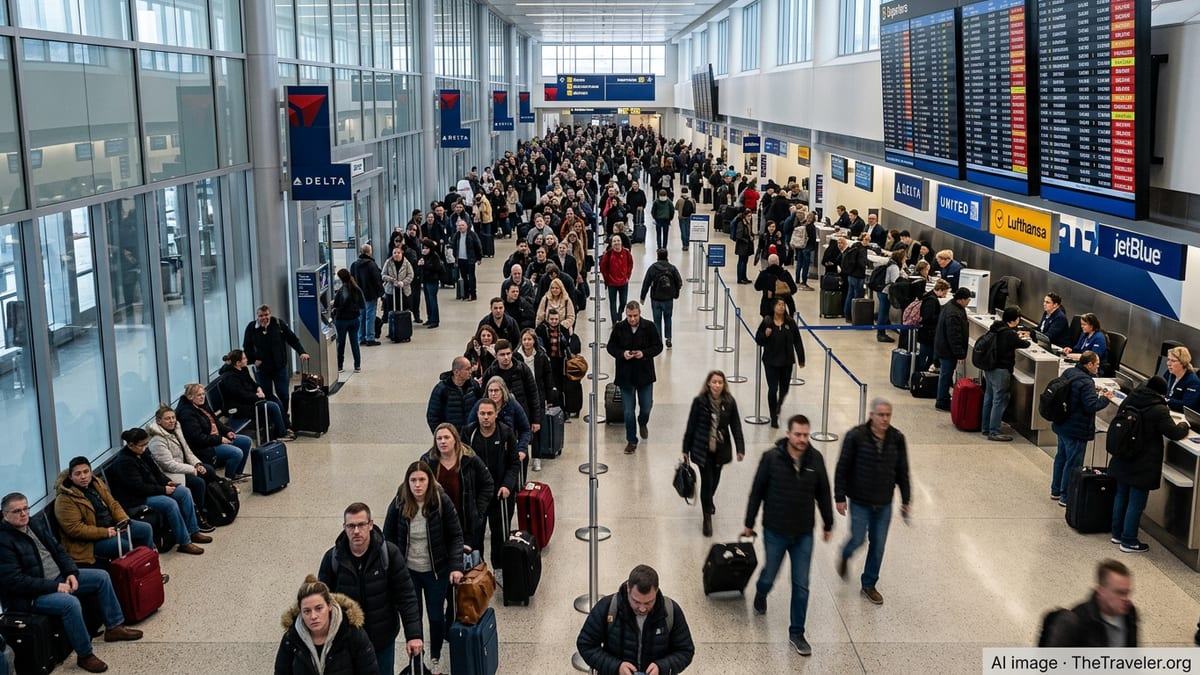
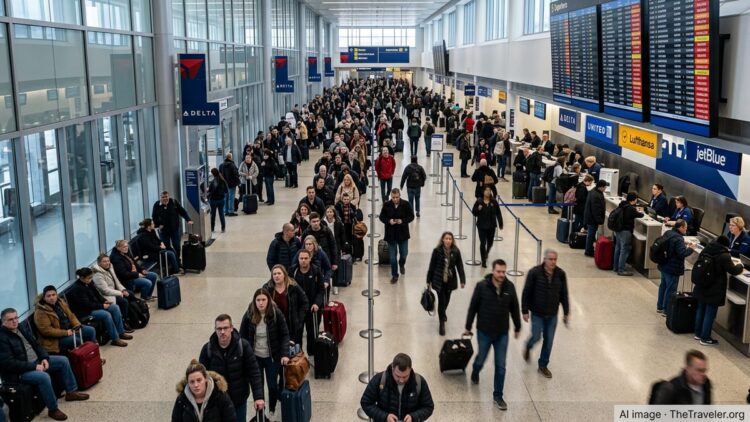
On Tuesday, March 31, 2026, hundreds of flights across the United States experienced significant disruptions due to operational bottlenecks and unsettled weather. The disruptions were particularly severe at key hubs such as Miami, Phoenix, Charlotte, and Philadelphia, resulting in over 650 delays and at least six cancellations. Major carriers like American Airlines and Southwest Airlines were among those affected. The article highlights the challenges faced by the travel industry in managing operational efficiency and weather-related disruptions, emphasizing the need for robust contingency planning and real-time communication strategies to mitigate the impact on travelers.
Key Points:
Actionable Takeaways:
Enhanced Operational Resilience: Airlines should invest in advanced operational planning tools that can predict and mitigate the impact of weather-related disruptions. Real-time data analytics and predictive modeling can help airlines adjust schedules and allocate resources more effectively, reducing the likelihood of widespread delays.
Improved Communication Strategies: Effective communication with passengers is crucial during disruptions. Airlines should implement robust communication protocols to keep passengers informed about delays and cancellations, providing alternative travel options and compensation where applicable. This not only improves customer satisfaction but also enhances the airline’s reputation for reliability.
Focus on Weather Forecasting and Mitigation: Investing in advanced weather forecasting technologies can provide airlines with more accurate and timely information, enabling proactive measures to avoid or minimize disruptions. Collaborations with meteorological services and the adoption of AI-driven forecasting tools can enhance the industry’s ability to handle weather-related challenges.
Contextual Insights:
The disruptions highlighted in the article reflect broader trends in the travel industry, where operational efficiency and weather management are critical factors in maintaining service reliability. Recent advancements in travel tech, such as AI-driven predictive analytics and real-time communication platforms, are increasingly being adopted to address these challenges. Thought leaders in the industry emphasize the importance of integrating these technologies to enhance operational resilience and improve the passenger experience. As the travel industry continues to evolve, the ability to adapt to unforeseen challenges, such as weather disruptions, will be a key determinant of success. Startups focusing on innovative solutions for operational efficiency and passenger communication are likely to gain traction, offering new opportunities for collaboration and partnership within the industry.
Read the Complete Article.
Get curated travel AI insights — choose the newsletters that matter to you.
ALTOUR Expands into Thailand, Strengthening Corporate Travel Network Across Southeast Asia BANGKOK, THAILAND (25 March, 2026) – ALTOUR, a leading...
Read moreDetails


Comprehensive Summarization: On Tuesday, March 31, 2026, hundreds of flights across the United States experienced significant disruptions due to operational...
Read moreDetails