Article Summary:
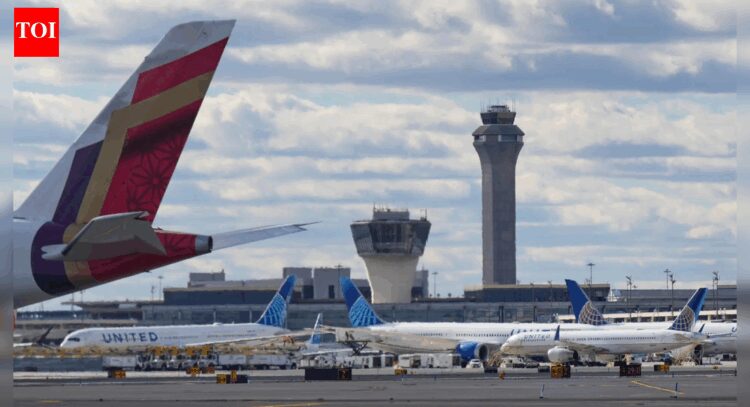
The longest federal government shutdown in U.S. history has significantly disrupted the airline industry’s holiday quarter expectations. Thousands of flights have been grounded, and airlines are scrambling to develop contingency plans. This disruption comes as corporate and leisure travel bookings are growing at a slower pace than anticipated, with Thanksgiving bookings increasing by only 1% since late October, according to aviation analytics firm Cirium. This slowdown is roughly half the expected pace, indicating a challenging period for the travel sector.
Key Points:
- The federal government shutdown has led to the cancellation of thousands of flights, disrupting airline operations across the country.
- Airlines are facing a slower-than-expected rebound in bookings, with Thanksgiving bookings growing by just 1% since late October.
- Aviation analytics firm Cirium reports that this slowdown is approximately half the expected pace, highlighting the significant impact on the travel industry.
- The situation is forcing airlines to scramble for contingency plans to mitigate the effects of the shutdown on their operations.
Actionable Takeaways:
-
Implement Flexible Cancellation Policies: Airlines should consider offering more flexible cancellation policies to mitigate customer dissatisfaction and encourage bookings. This move could help airlines retain customers who might otherwise be deterred by the uncertainty caused by the shutdown.
-
Enhance Digital Communication: Airlines should leverage digital communication channels to keep passengers informed about flight status updates and any changes to their travel plans. This proactive approach can help manage customer expectations and reduce the impact of flight cancellations on customer satisfaction.
-
Invest in Technology for Rescheduling: Airlines should invest in advanced technology solutions that streamline the process of rescheduling flights and managing customer bookings during disruptions. This investment can help airlines recover lost revenue and maintain operational efficiency during challenging periods.
Contextual Insights:
The current situation underscores the vulnerability of the travel industry to external shocks, such as government shutdowns. This event highlights the importance of contingency planning and the need for airlines to be agile in responding to disruptions. The slower-than-expected rebound in bookings suggests that the industry may face prolonged challenges, necessitating innovative strategies to maintain growth. Furthermore, the reliance on digital communication and technology for managing disruptions reflects a broader trend in the travel sector towards digital transformation. As the industry continues to evolve, embracing these technological advancements will be crucial for maintaining competitiveness and ensuring customer satisfaction in the face of unforeseen challenges.
Read the Complete Article.






![Park Chang-jin, head of the KAC Airport Service Planning Division, is expressing his feelings about taking office. [KAC Airport Service]](https://images.traveltrade.today/wp-content/uploads/2026/04/Park-Chang-jin-Exposes-Nut-Rage-Incident-at-Korean-Air.jpg)