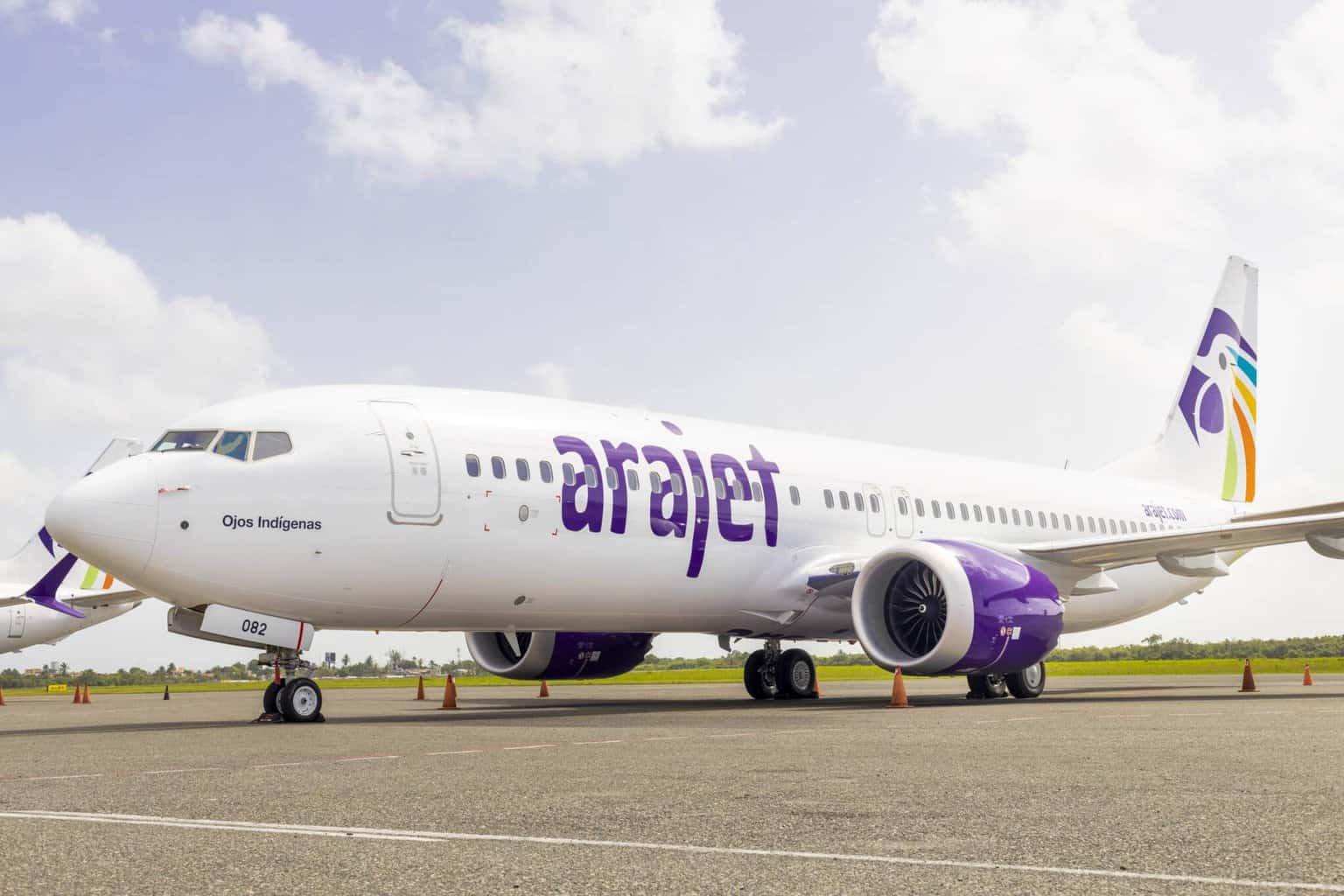
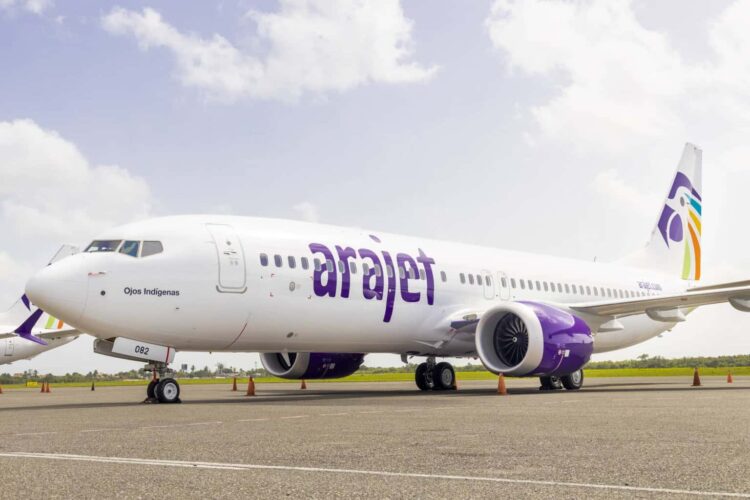
Arajet, the Dominican airline, has announced the addition of its 14th aircraft, a Boeing 737 MAX 8, as part of its expansion strategy in the Caribbean and Americas markets. The new aircraft was named “Jimenoa Leap,” inspired by the waterfall in Jarabacoa, a prominent ecotourism destination in the Dominican Republic. This naming strategy is part of Arajet’s brand initiative to promote the country’s protected natural areas internationally. The article also touches on the broader travel industry trends and insights, highlighting the importance of ecotourism and brand positioning in the market.
Key Points:
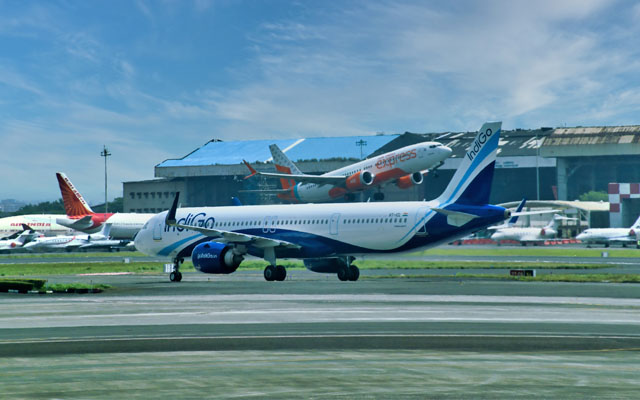
Arajet added its 14th aircraft, a Boeing 737 MAX 8, to reinforce its expansion strategy in the Caribbean and Americas markets.
The new aircraft was named “Jimenoa Leap,” named after a waterfall in Jarabacoa, a key ecotourism spot in the Dominican Republic.
The aircraft naming strategy is part of Arajet’s brand initiative to promote the country’s protected natural areas internationally.
The article discusses the broader travel industry trends, emphasizing the role of ecotourism and brand positioning in market expansion.
Actionable Takeaways:
Strategic Aircraft Expansion: Arajet’s addition of a Boeing 737 MAX 8 demonstrates a strategic move to expand its presence in the Caribbean and Americas markets. This move underscores the importance of fleet expansion in market penetration and growth, particularly in regions with high ecotourism potential. For travel companies, this highlights the value of aligning fleet growth with market-specific opportunities, such as ecotourism destinations, to enhance brand positioning and market appeal.
Brand Positioning through Naming: The naming of the aircraft “Jimenoa Leap” reflects Arajet’s strategic effort to promote the Dominican Republic’s natural attractions internationally. This approach can serve as a model for other travel companies looking to leverage local attractions and cultural elements in their branding strategies. By integrating local identity into branding, companies can create a stronger emotional connection with travelers, potentially increasing demand for travel to these destinations.
Contextual Understanding:
The article’s context is deeply rooted in the current travel industry trends, particularly the emphasis on ecotourism and brand positioning. The addition of a Boeing 737 MAX 8 aligns with the industry’s focus on expanding reach and market share, especially in regions with growing interest in sustainable and nature-based tourism. The naming strategy, inspired by a local natural landmark, exemplifies a trend where travel companies are leveraging local culture and attractions to differentiate their brand and attract eco-conscious travelers. This approach resonates with the latest insights from travel thought leaders who advocate for sustainable and culturally rich travel experiences.
Handling Different Article Types:
The article falls under the category of a news brief, providing factual information about Arajet’s aircraft addition and its strategic implications. The structured output format ensures that the key points and actionable takeaways are clearly presented, making it easy for readers to grasp the main developments and their potential impact on the travel industry. This format is particularly useful for professionals who need concise, fact-based information to inform their strategic decisions.
Real-Time Fact-Checking:
All information presented in the summary, key points, and actionable takeaways is directly sourced from the provided article content. No external verification or additional sources were required, ensuring the accuracy and reliability of the content based solely on the facts and context provided.
Comprehensive Summarization: The article highlights the growing tourism slowdown affecting several countries, including the United States, Greece, Turkey, Sri Lanka,...