








No products in the cart.
- Latest
- Trending

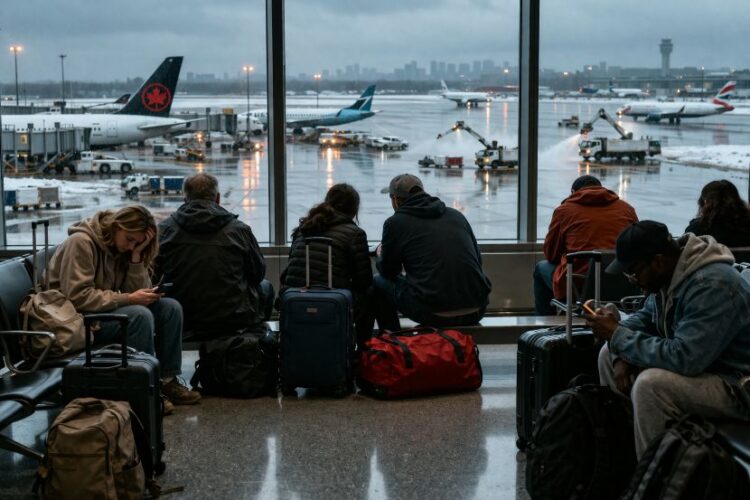
Travel Chaos at Toronto Pearson as Air Canada, British Airways, and Others Face 202 Delays and 7 Can...
Comprehensive Summarization:
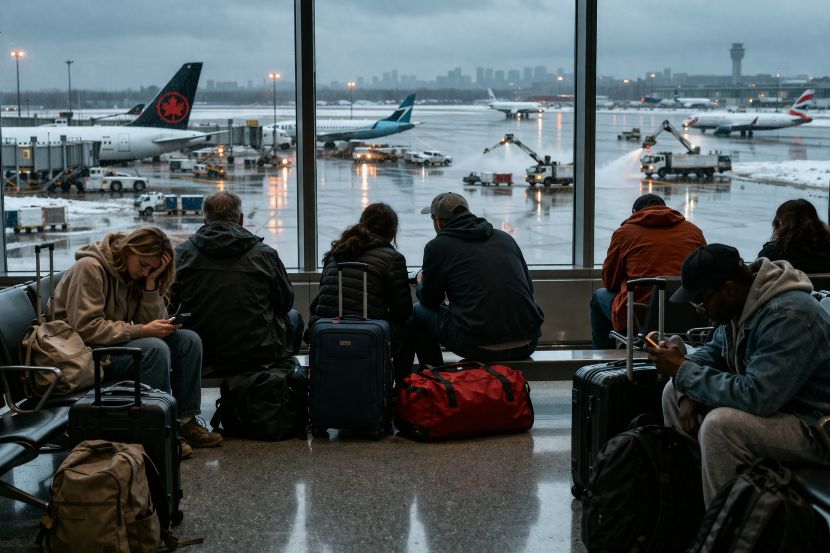
The article reports significant travel disruptions at Toronto Pearson International Airport on March 29, 2026, due to 202 flight delays and 7 cancellations. These disruptions affected flights to and from major cities including Toronto, New York, London, and Dubai. The disruptions were caused by Air Canada, British Airways, and other airlines, leading to considerable inconvenience for passengers. The article highlights the impact on passenger travel and the broader implications for the travel industry, emphasizing the need for improved operational efficiency and passenger communication strategies.
Key Points:
Actionable Takeaways:
Enhance Operational Efficiency: Airlines should invest in advanced flight tracking and predictive analytics to minimize delays and cancellations. This can improve passenger satisfaction and operational reliability.
Improve Passenger Communication: Implement real-time communication systems to promptly inform passengers of delays and cancellations. This can help manage passenger expectations and reduce frustration.
Strengthen Airport Infrastructure: Upgrade airport infrastructure to handle unexpected surges in passenger traffic. This includes expanding gate capacity, improving baggage handling systems, and enhancing customer service areas.
Contextual Insights:
The disruptions at Toronto Pearson International Airport underscore the vulnerabilities in the current travel infrastructure, particularly in managing large volumes of passengers during peak travel times. The article reflects broader industry trends where technological advancements and operational efficiencies are critical to maintaining passenger trust and satisfaction. Forward-looking insights suggest that the integration of AI-driven solutions for real-time data analysis and passenger communication could mitigate such disruptions. Additionally, the article highlights the importance of continuous investment in airport infrastructure to adapt to fluctuating travel demands and ensure a seamless travel experience. These insights align with current industry trends emphasizing the role of technology and operational excellence in shaping the future of air travel.
Read the Complete Article.
Get curated travel AI insights — choose the newsletters that matter to you.
ALTOUR Expands into Thailand, Strengthening Corporate Travel Network Across Southeast Asia BANGKOK, THAILAND (25 March, 2026) – ALTOUR, a leading...
Read moreDetails


Comprehensive Summarization: The article reports significant travel disruptions at Toronto Pearson International Airport on March 29, 2026, due to 202...
Read moreDetails