



No products in the cart.
- Latest
- Trending


Comprehensive Summarization:
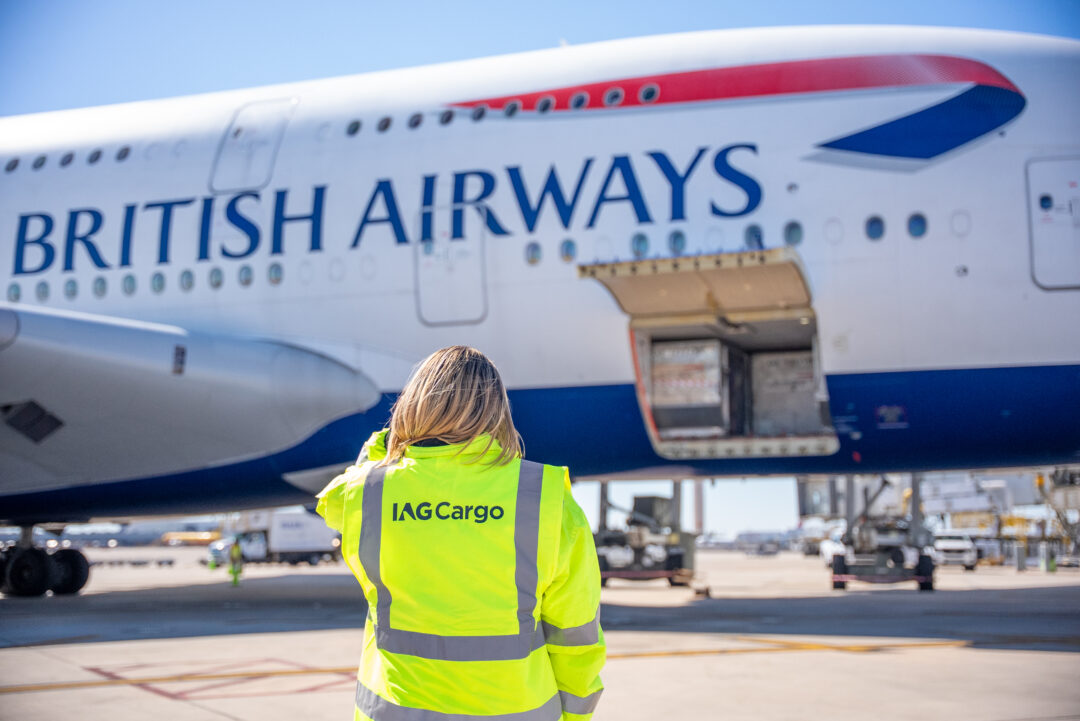
Nick Fry, the chairman of Motion Applied, attempted to modify two upcoming trips in March. The first change involved moving a business-class flight from Phoenix to London by 24 hours due to a family emergency. British Airways, the airline in question, charged Fry an additional £5,100 for this change, nearly the cost of the original return booking. In response, Fry opted to downgrade to premium economy. The article also touches on broader travel trends and insights from thought leaders, highlighting the evolving landscape of travel technology, startups, and fintech in the industry.
Key Points:
Actionable Takeaways:
Flexibility in Travel Plans: The incident underscores the importance of flexibility in travel plans, especially in light of unforeseen circumstances. Travelers should consider the potential costs and implications of modifying their bookings, as seen with the £5,100 additional charge from British Airways.
Impact on Travel Startups and Fintech: The article highlights the evolving landscape of travel technology and fintech. Startups in these sectors may find opportunities in developing more flexible booking systems or innovative payment solutions that mitigate the financial impact of last-minute changes, aligning with current industry trends towards digital transformation in travel.
Contextual Insights:
The article reflects the current state of the travel industry, where flexibility and adaptability are becoming increasingly crucial. Recent events, such as global health crises and economic uncertainties, have accelerated the demand for more adaptable travel solutions. Thought leaders in the industry emphasize the need for startups and established companies alike to innovate in areas like dynamic pricing, seamless booking experiences, and integrated payment systems. This shift not only enhances customer satisfaction but also positions companies to thrive in a rapidly changing market. The case of Nick Fry serves as a practical example of how such innovations can directly impact travelers’ experiences and the broader industry dynamics.
Read the Complete Article.
Get curated travel AI insights — choose the newsletters that matter to you.
This spot is reserved for brands with a compelling story for the travel trade. They use this space to cut...
Read moreDetailsALTOUR Expands into Thailand, Strengthening Corporate Travel Network Across Southeast Asia BANGKOK, THAILAND (25 March, 2026) – ALTOUR, a leading...
Read moreDetails

Comprehensive Summarization: Nick Fry, the chairman of Motion Applied, attempted to modify two upcoming trips in March. The first change...
Read moreDetails